
The Civil War and Consolidation of the …
Years: 464 - 464
The Civil War and Consolidation of the Suebi Kingdom
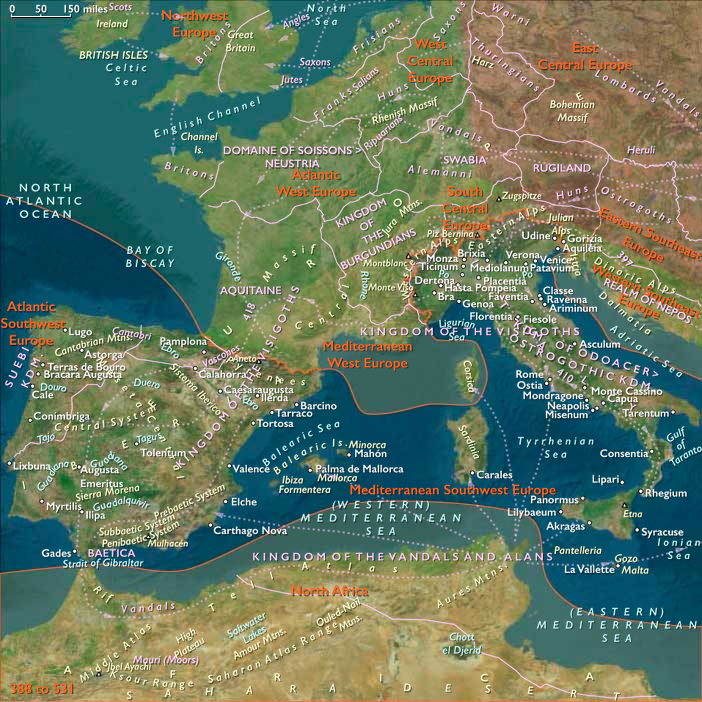
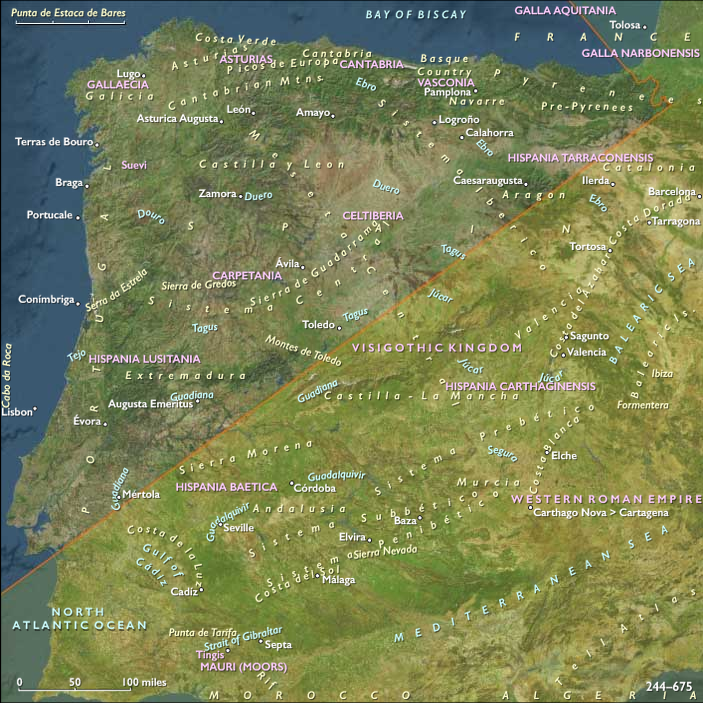
Throughout the mid-fifth century, the Suebi in Galicia endure a period of civil war and internal fragmentation, as their kingdom operates under a diarchy, with rival factions vying for control. The situation is further complicated by ongoing conflicts with the native Gallo-Roman population, leading to widespread unrest.
The End of Civil War: The Rise of Remismund (464 CE)
In the south, after the death of King Maldras, his faction continues under Frumar, but his rule is short-lived. By 464 CE, Frumar’s death brings an end to this prolonged period of internal strife, paving the way for a unified Suebi ruleunder Remismund, a figure with both diplomatic and military experience.
Remismund’s Diplomatic and Military Acumen
- An Experienced Diplomat – Before becoming king, Remismund had served as an ambassador, traveling between Galicia and Gaul, likely engaging in negotiations with the Visigoths and maintaining ties with various factions.
- Unifying the Suebi – As king, he successfully unites the divided Suebi factions, restoring internal stability and consolidating his authority.
- Relations with the Visigoths – His rule gains recognition—perhaps even approval—from Theodoric II, king of the Visigoths, who sends him gifts and weapons, further legitimizing his reign. Additionally, Theodoric strengthens ties by arranging for Remismund to marry a Gothic princess, reinforcing a Visigothic-Suebi alliance.
The Restoration of Order in Galicia
With his rule secured, Remismund restores peace to the Suebi kingdom, ensuring its continued survival in the post-Roman world. Under his leadership, the Suebi maintain their autonomy in Galicia, though they remain under the shadow of the powerful Visigothic Kingdom, which will later dominate much of the Iberian Peninsula.
Locations
People
Groups
- Goths (East Germanic tribe)
- Roman Empire, Western (Ravenna)
- Suebic Kingdom of Galicia
- Visigothic Kingdom of Toulouse
Topics
Commodoties
Subjects
Regions
Subregions
Related Events
Showing 10 events out of 58603 total
Years: 464 - 464
Locations
People
Groups
- Goths (East Germanic tribe)
- Roman Empire, Western (Ravenna)
- Suebic Kingdom of Galicia
- Visigothic Kingdom of Toulouse
Topics
Commodoties
Subjects
Regions
Subregions