
The Aftermath of Orléans: Joan of Arc’s …
Years: 1429 - 1429
The Aftermath of Orléans: Joan of Arc’s Plan to Reclaim the Loire and Reach Reims (1429)
The unexpected French victory at Orléans (May 8, 1429) dramatically shifted the momentum of the Hundred Years’ War, leading to widespread calls for further offensive action.
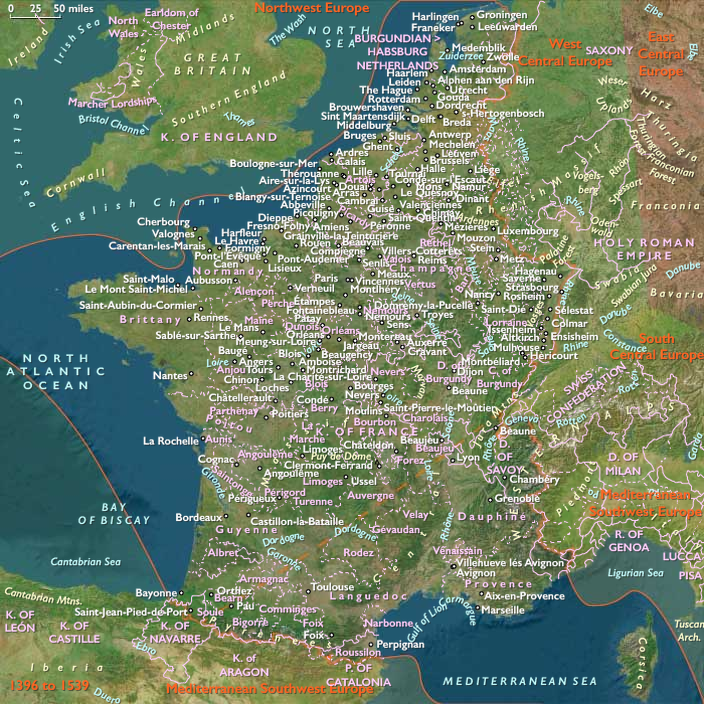
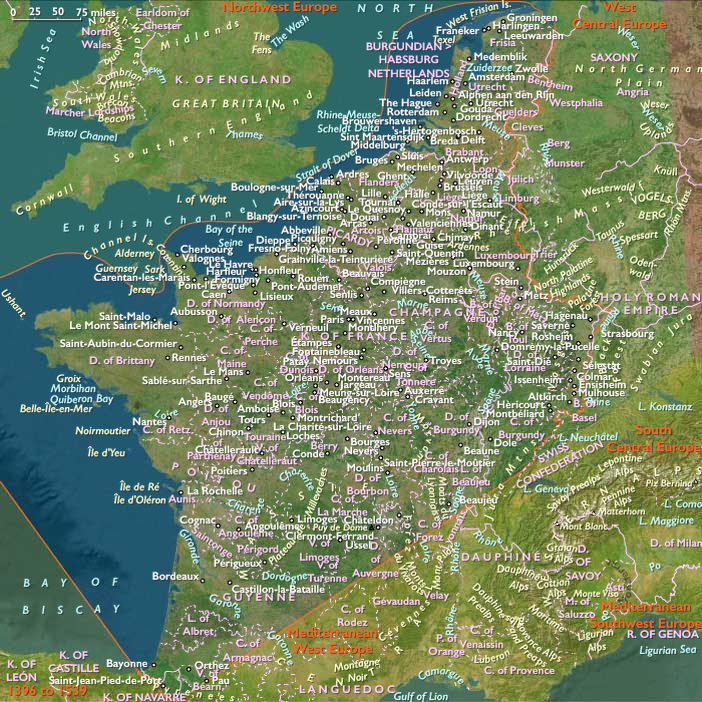
Joan of Arc, capitalizing on her growing influence at court, successfully persuaded Charles VII to approve her bold strategy—recapturing key bridges along the Loire as a prelude to an advance on Reims for his long-awaited coronation.
This audacious plan was unexpected, as the English anticipated an attack on Paris or Normandy. Instead, Joan aimed directly at Reims, deep in enemy territory, demonstrating her confidence in divine guidance and her ability to inspire the French army.
I. Joan Gains Royal Approval for the Loire Campaign
- After Orléans, Joan pressed Charles VII to act quickly before English forces could regroup.
- She proposed a calculated strategy:
- Recapturing key Loire River bridges to secure a path toward Reims.
- Proceeding with Charles VII to Reims, where French kings had traditionally been crowned since 816.
- Charles VII agreed and granted her permission to accompany the army, under the command of Duke Jean II of Alençon.
II. A Bold and Unexpected Move
- Reims was deep in enemy-controlled territory, roughly twice as far away as Paris.
- The English and their Burgundian allies assumed Joan’s forces would strike at Paris or Normandy.
- Instead, her focus on Reims demonstrated her strategic vision, as securing the city would legitimize Charles VII’s rule and rally more French support.
III. Growing Support from French Commanders
- The Duke of Alençon fully embraced Joan’s strategic advice, working closely with her in planning the campaign.
- Other commanders, including Jean d’Orléans (the Bastard of Orléans), who had initially doubted her, now became her supporters after witnessing her effectiveness in battle.
IV. Consequences: The Path to Reims Begins
- With royal approval and growing support among the military, Joan’s army prepared for the Loire campaign, marking the beginning of one of the most remarkable military advances in the war.
- The success of this strategy would culminate in Charles VII’s coronation at Reims in July 1429, a moment that transformed the course of French history.
Joan of Arc’s plan to reclaim the Loire bridges and push toward Reims was a masterstroke, surprising the English, rallying the French, and setting the stage for Charles VII’s legitimacy as king.
Locations
People
Groups
- Normandy, Duchy of
- Burgundy, Duchy of
- Christians, Roman Catholic
- Scotland, Kingdom of
- France, (Valois) Kingdom of
- England, (Plantagenet, Lancastrian) Kingdom of
Topics
- Hundred Years' War
- Armagnac-Burgundian Civil War
- Hundred Years' War: Resumption of the war under Henry V
- Hundred Years' War: French Victory
Commodoties
Subjects
Regions
Subregions
Years: 1429 - 1429
Locations
People
Groups
- Normandy, Duchy of
- Burgundy, Duchy of
- Christians, Roman Catholic
- Scotland, Kingdom of
- France, (Valois) Kingdom of
- England, (Plantagenet, Lancastrian) Kingdom of
Topics
- Hundred Years' War
- Armagnac-Burgundian Civil War
- Hundred Years' War: Resumption of the war under Henry V
- Hundred Years' War: French Victory
Commodoties
Subjects
Regions
Subregions