
Sudan's prime minister had formed a coalition …
Years: 1957 - 1957
November
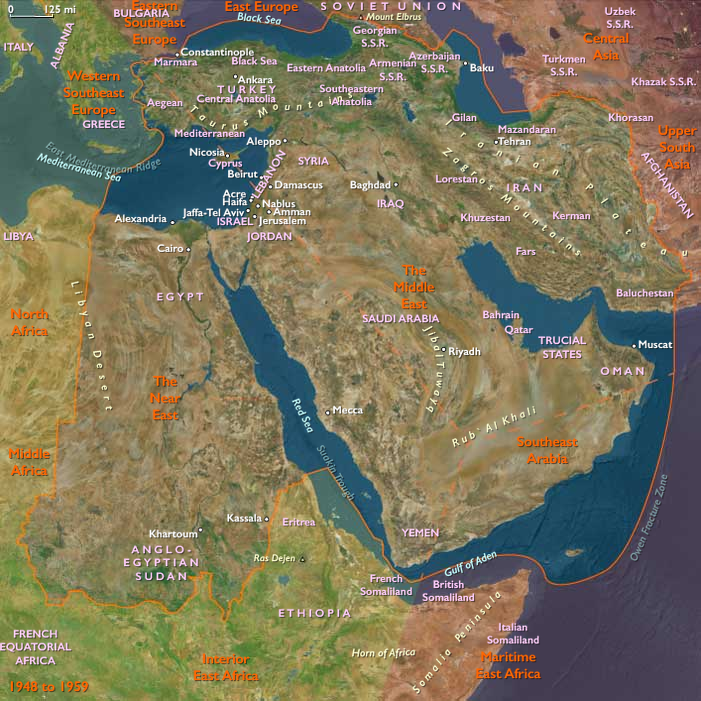
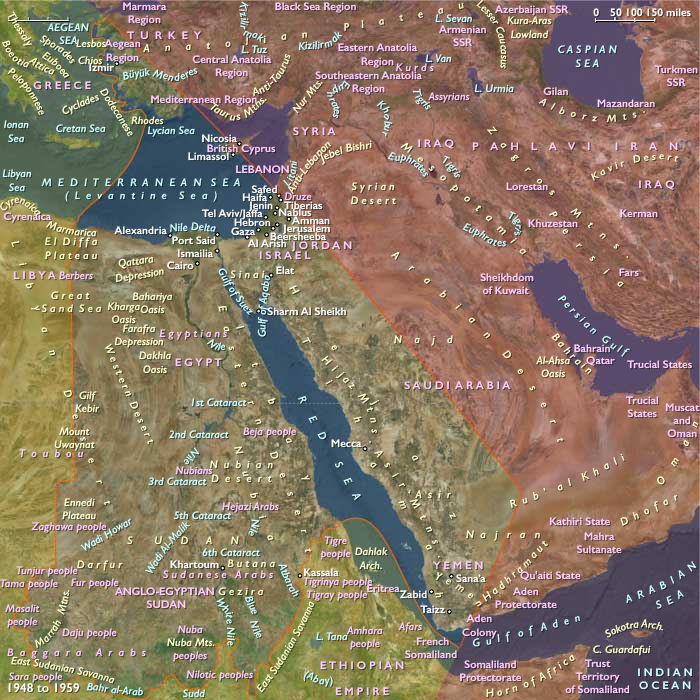
Sudan's prime minister had formed a coalition government in February 1956, but he had alienated the Khatmiyyah by supporting increasingly secular government policies.
In June of that year, some Khatmiyyah members who had defected from the NUP had established the People's Democratic Party (PDP) under Mirghani's leadership.
The Umma and the PDP had combined in parliament to bring down the Azhari government.
With support from the two parties and backing from the Ansar and the Khatmiyyah, Abdallah Khalil had put together a coalition government.
Major issues confronting Khalil's coalition government include winning agreement on a permanent constitution, stabilizing the south, encouraging economic development, and improving relations with Egypt.
Strains within the Umma-PDP coalition have hampered the government's ability to make progress on these matters.
The Umma, for example, wants the proposed constitution to institute a presidential form of government on the assumption that Abd al-Rahman al-Mahdi will be elected the first president.
The consensus is lacking about the country's economic future.
A poor cotton harvest has followed the 1957 bumper cotton crop, which Sudan had been unable to sell at a good price in a glutted market.
This downturn has depleted Sudan's reserves and caused unrest over government-imposed economic restrictions.
To overcome these problems and finance future development projects, the Umma calls for greater reliance on foreign aid.
The PDP, however, objects to this strategy because it promotes unacceptable foreign influence in Sudan.
The PDP's philosophy reflects the Arab nationalism espoused by Gamal Abdul Nasser, who had replaced Egyptian leader Naguib in 1954.
Despite these policy differences, the Umma-PDP coalition lasts for the remaining year of the parliament's tenure.
Moreover, after the parliament adjourns, the two parties promise to maintain a common front for the 1958 elections.
In June of that year, some Khatmiyyah members who had defected from the NUP had established the People's Democratic Party (PDP) under Mirghani's leadership.
The Umma and the PDP had combined in parliament to bring down the Azhari government.
With support from the two parties and backing from the Ansar and the Khatmiyyah, Abdallah Khalil had put together a coalition government.
Major issues confronting Khalil's coalition government include winning agreement on a permanent constitution, stabilizing the south, encouraging economic development, and improving relations with Egypt.
Strains within the Umma-PDP coalition have hampered the government's ability to make progress on these matters.
The Umma, for example, wants the proposed constitution to institute a presidential form of government on the assumption that Abd al-Rahman al-Mahdi will be elected the first president.
The consensus is lacking about the country's economic future.
A poor cotton harvest has followed the 1957 bumper cotton crop, which Sudan had been unable to sell at a good price in a glutted market.
This downturn has depleted Sudan's reserves and caused unrest over government-imposed economic restrictions.
To overcome these problems and finance future development projects, the Umma calls for greater reliance on foreign aid.
The PDP, however, objects to this strategy because it promotes unacceptable foreign influence in Sudan.
The PDP's philosophy reflects the Arab nationalism espoused by Gamal Abdul Nasser, who had replaced Egyptian leader Naguib in 1954.
Despite these policy differences, the Umma-PDP coalition lasts for the remaining year of the parliament's tenure.
Moreover, after the parliament adjourns, the two parties promise to maintain a common front for the 1958 elections.
Locations
People
Groups
Commodoties
Subjects
Regions
Subregions
Related Events
Showing 10 events out of 3851 total
Years: 1957 - 1957
November
Locations
People
Groups
Commodoties
Subjects
Regions
Subregions