
Filters:
The St. George’s Night Uprising denotes a …
Years: 1336 - 1347
The St. George’s Night Uprising denotes a series of unsuccessful rebellions in 1343-1345 by the indigenous Estonian-speaking population in the Duchy of Estonia, the Bishopric of Ösel-Wiek, and the insular territories of the State of the Teutonic Order to rid themselves of the Danish and German rulers and landlords, who had conquered the country in the thirteenth century during the Livonian crusade, and to eradicate the non-indigenous Christian religion.
Groups
- Polytheism (“paganism”)
- Estonians
- Germans
- Danes (Scandinavians)
- Christians, Roman Catholic
- Estonia, Danish
- Teutonic Knights of Prussia, or Monastic state of the Teutonic Knights (House of the Hospitalers of Saint Mary of the Teutons in Jerusalem)
Topics
- Ostsiedlung (German: Settlement in the East), a.k.a. German eastward expansion
- St. George's Night Uprising, or Estonian Revolt of 1343-45
Commodoties
Subjects
Regions
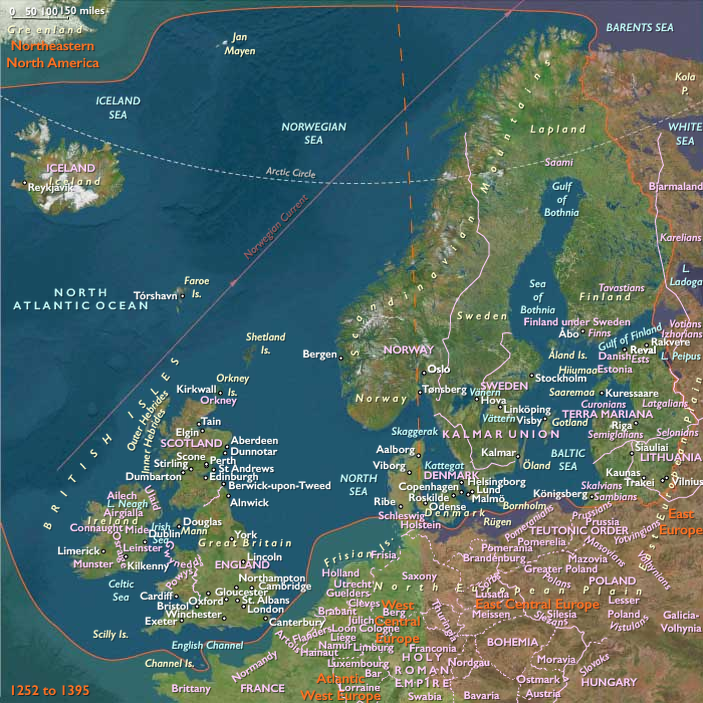
Subregions
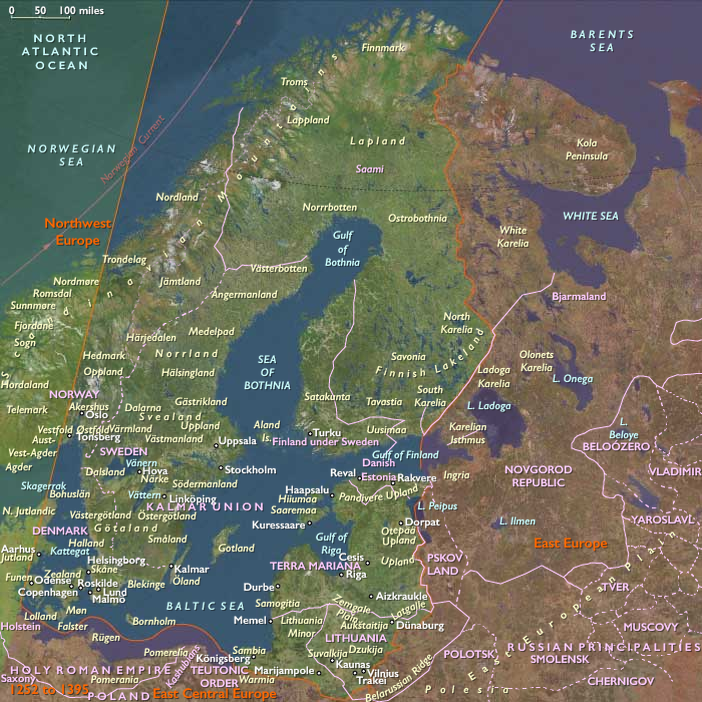
Years: 1336 - 1347
Groups
- Polytheism (“paganism”)
- Estonians
- Germans
- Danes (Scandinavians)
- Christians, Roman Catholic
- Estonia, Danish
- Teutonic Knights of Prussia, or Monastic state of the Teutonic Knights (House of the Hospitalers of Saint Mary of the Teutons in Jerusalem)
Topics
- Ostsiedlung (German: Settlement in the East), a.k.a. German eastward expansion
- St. George's Night Uprising, or Estonian Revolt of 1343-45
Commodoties
Subjects
Regions
Subregions