
The Patuleia Revolt (1846–1847): Portugal’s Liberal Civil …
Years: 1846 - 1846
October
The Patuleia Revolt (1846–1847): Portugal’s Liberal Civil Conflict
Overview
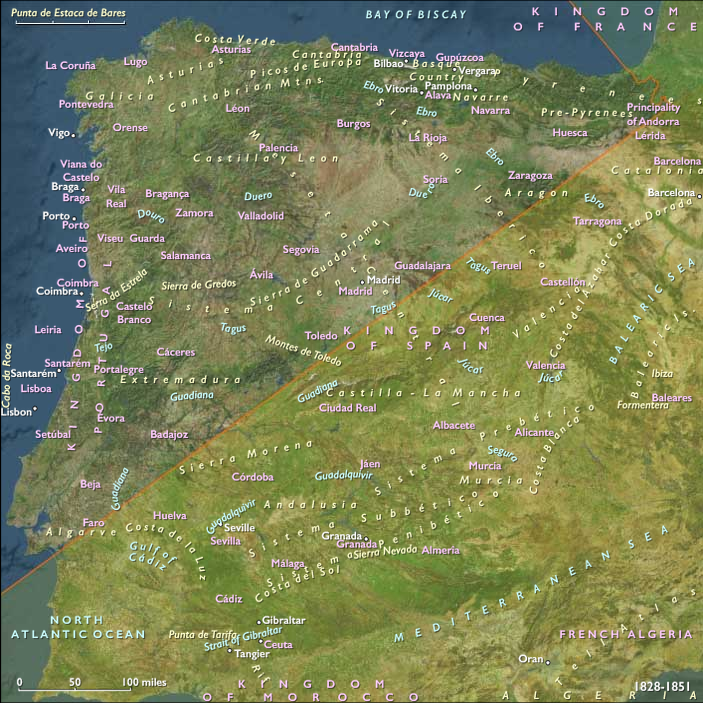
The Patuleia Revolt, also known as the Little Civil War, was a significant but brief conflict fought primarily between October 1846 and June 1847. It emerged from deep-seated political tensions in Portugal, characterized by liberal divisions, regional grievances, and widespread popular unrest, particularly strong in the northern regions around Porto, Braga, and the province of Minho.
Causes and Background
-
Political Division and Authoritarian Rule:
The immediate trigger was the authoritarian and highly centralizing governance of António Bernardo da Costa Cabral, who as prime minister (1842–1846) initiated extensive modernization but alienated various liberal factions by concentrating power, limiting political freedoms, and implementing unpopular tax reforms. -
Economic Hardship and Rural Unrest:
Northern Portugal—economically reliant on agriculture, wine exports, and local industry—suffered under heavy taxation and limited investment in rural areas. Costa Cabral's policies disproportionately benefited the Lisbon elite, fueling resentment and fostering support for opposition groups in northern communities. -
Liberal Ideological Split:
The revolt intensified pre-existing ideological divisions among liberals. While the "Cabralistas" (supporters of Costa Cabral) favored centralization and state-driven modernization, the "Setembristas" (Septemberists, more radical liberals) and other dissident factions demanded constitutional reforms, decentralization, and greater popular representation.
Course of the Conflict
-
Outbreak of Revolt (October 1846):
Sparked initially by popular protests in the northern city of Braga against centralization and heavy taxation, the revolt quickly spread throughout northern Portugal, with particularly intense fighting around Porto, which became the rebel stronghold. -
Popular Participation and Mobilization:
The conflict earned the nickname "Patuleia" from the Portuguese colloquial term "pata-ao-léu" (barefoot or ragged people), referencing the revolt's grassroots character, with broad participation from peasants, artisans, and urban laborers. -
Porto as Rebel Stronghold:
Porto became the center of resistance, establishing an alternative government that openly challenged Lisbon's authority. Intense military engagements occurred around Porto, Braga, and throughout the Minho region, causing significant disruptions to economic activity. -
International Intervention (British and Spanish Mediation):
To prevent Portugal from slipping into prolonged instability, Britain and Spain—both deeply concerned about Iberian stability and regional balance—intervened diplomatically. Their mediation sought to restore stability quickly and efficiently.
Locations
People
- António Bernardo da Costa Cabral, 1st Marquis of Tomar
- João Carlos de Saldanha Daun, 1st Duke of Saldanha
- Maria II of Portugal
Groups
- Portugal, Bragança Kingdom of
- Britain (United Kingdom of Great Britain and Ireland)
- France, constitutional monarchy of
- Brazilian Empire
Topics
Subjects
Regions
Subregions
Years: 1846 - 1846
October
Locations
People
- António Bernardo da Costa Cabral, 1st Marquis of Tomar
- João Carlos de Saldanha Daun, 1st Duke of Saldanha
- Maria II of Portugal
Groups
- Portugal, Bragança Kingdom of
- Britain (United Kingdom of Great Britain and Ireland)
- France, constitutional monarchy of
- Brazilian Empire
Topics
Subjects
Regions
Subregions