
Filters:
According to semi-official Soviet estimates, which will …
Years: 1948 - 1959
According to semi-official Soviet estimates, which will not become public until after the fall of the Soviet government in 1991, from 1929 to 1953 more than fourteen million people passed through these camps and prisons, many of them in Siberia.
Another seven to eight million people had been internally deported to remote areas of the Soviet Union (including entire nationalities or ethnicities in several cases).
The size, scope, and scale of the Gulag slave-labour camps remain subjects of much research and debate.
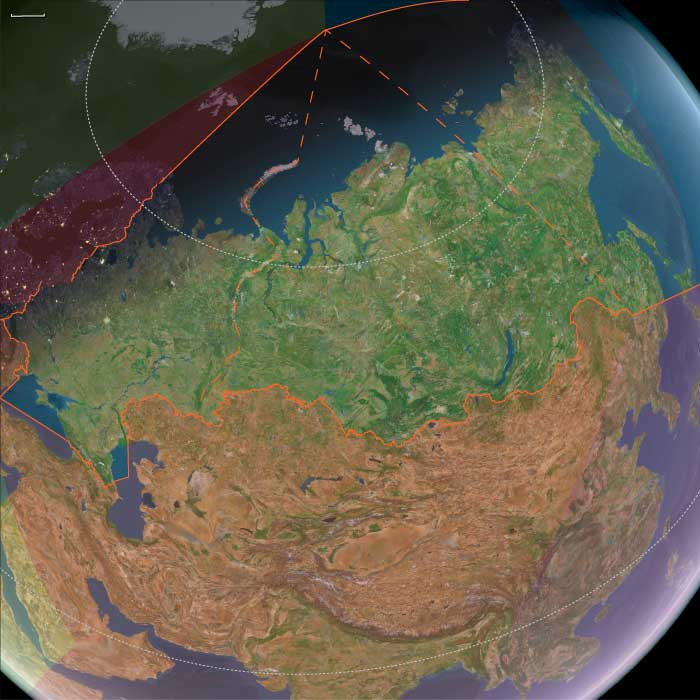
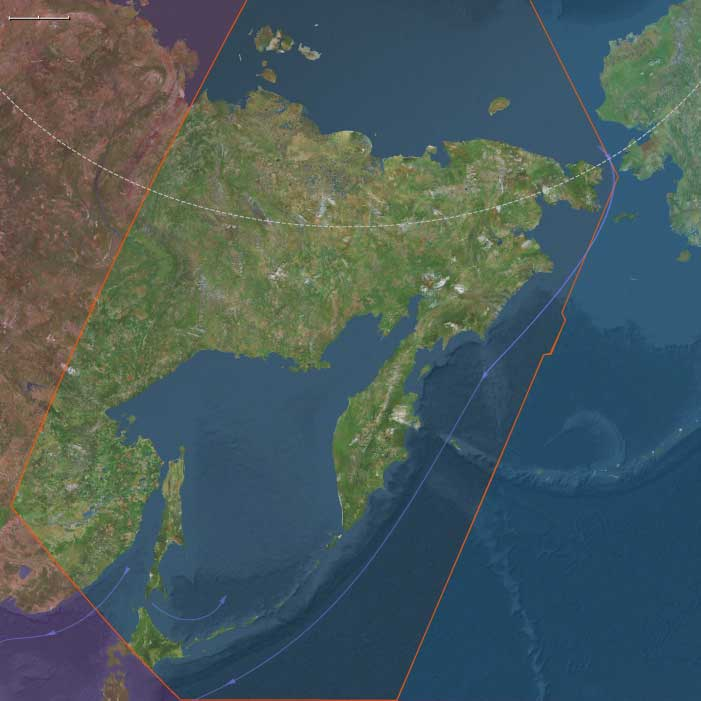
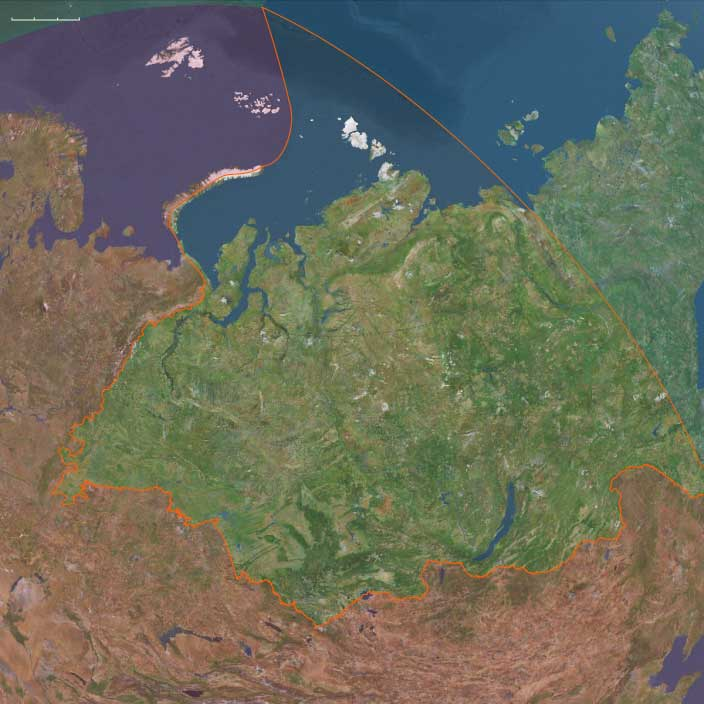
Many Gulag camps operate in extremely remote areas of northeastern Siberia.
The best-known clusters include Sevvostlag (the North-Eastern Corrective Labor Camps) along the Kolyma and Norillag near Norilsk, where sixty-nine thousand prisoners live in 1952.
Major industrial cities of Northern Siberia, such as Norilsk and Magadan, will develop from camps built by prisoners and run by former prisoners.
Another seven to eight million people had been internally deported to remote areas of the Soviet Union (including entire nationalities or ethnicities in several cases).
The size, scope, and scale of the Gulag slave-labour camps remain subjects of much research and debate.
Many Gulag camps operate in extremely remote areas of northeastern Siberia.
The best-known clusters include Sevvostlag (the North-Eastern Corrective Labor Camps) along the Kolyma and Norillag near Norilsk, where sixty-nine thousand prisoners live in 1952.
Major industrial cities of Northern Siberia, such as Norilsk and Magadan, will develop from camps built by prisoners and run by former prisoners.
Locations
Groups
Subjects
Regions
Subregions
Years: 1948 - 1959
Locations
Groups
Subjects
Regions
Subregions