
The Notitia Dignitatum: A Window …
Years: 424 - 435
The Notitia Dignitatum: A Window into Late Roman Administration
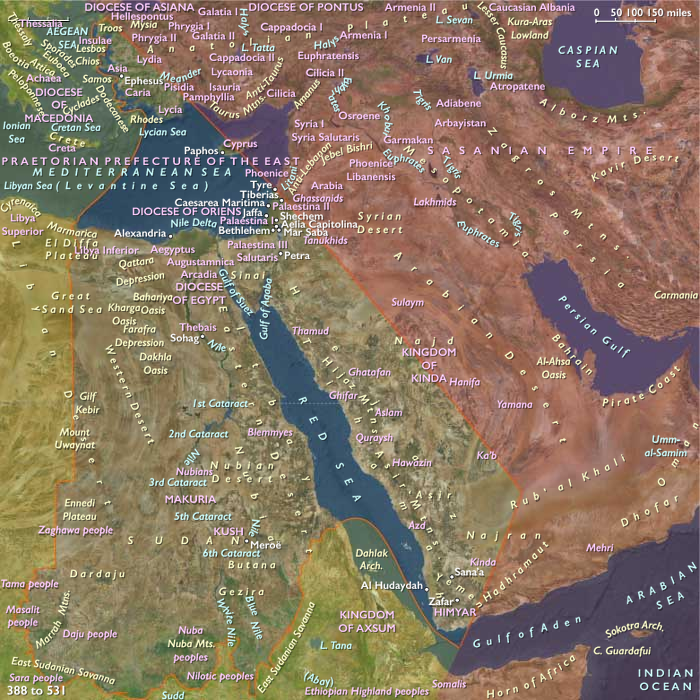
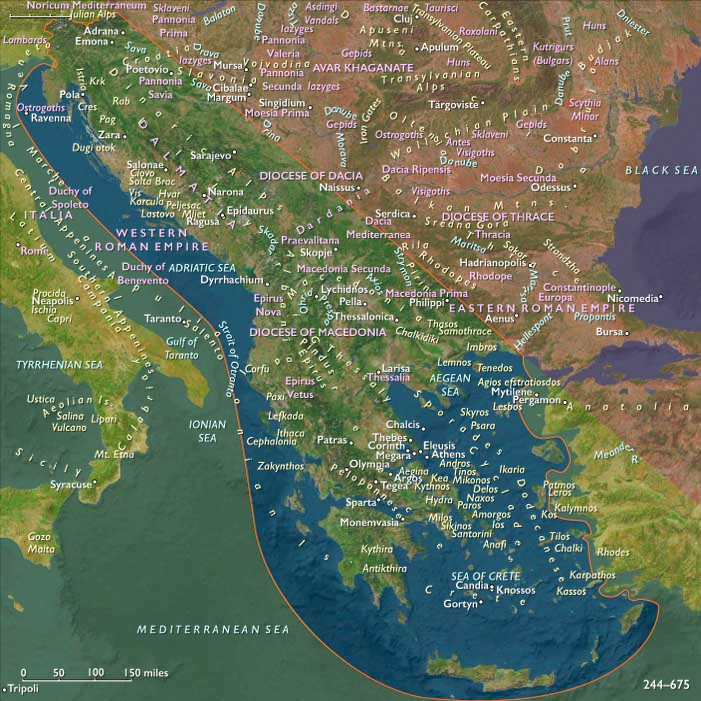
The Notitia Dignitatum, a unique imperial chancery document, stands as one of the few surviving records of Roman government, offering a detailed account of the administrative and military structures of both the Eastern and Western Empires. Compiled in the late fourth and early fifth centuries, it catalogs thousands of imperial offices, from the highest court officials to provincial administrators, providing an invaluable snapshot of the late Roman state at a time of growing instability.
The Roman Army in the Late Fourth Century
The Notitia also outlines the structure of the Roman army at the end of the fourth century, by which time approximately 200,000 troops guard the empire’s frontiers, supported by an additional 50,000 reserve forces ready for rapid deployment. However, by this period, the composition of the imperial military has undergone a significant shift—many soldiers are now non-Roman auxiliaries, drawn from Germanic federates such as the Alemanni, Franks, Goths, Saxons, and Vandals.
While these foederati serve as crucial reinforcements for the overstretched Roman legions, their growing prominence signals the progressive Germanization of the Roman military, a transformation that will play a pivotal role in the empire’s eventual disintegration.
The Unchecked Settlement of Barbarian Tribes
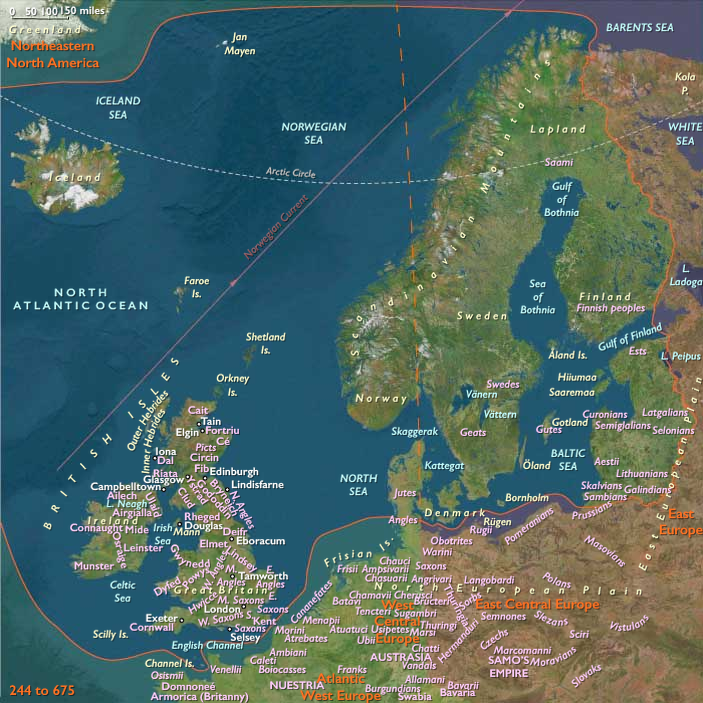
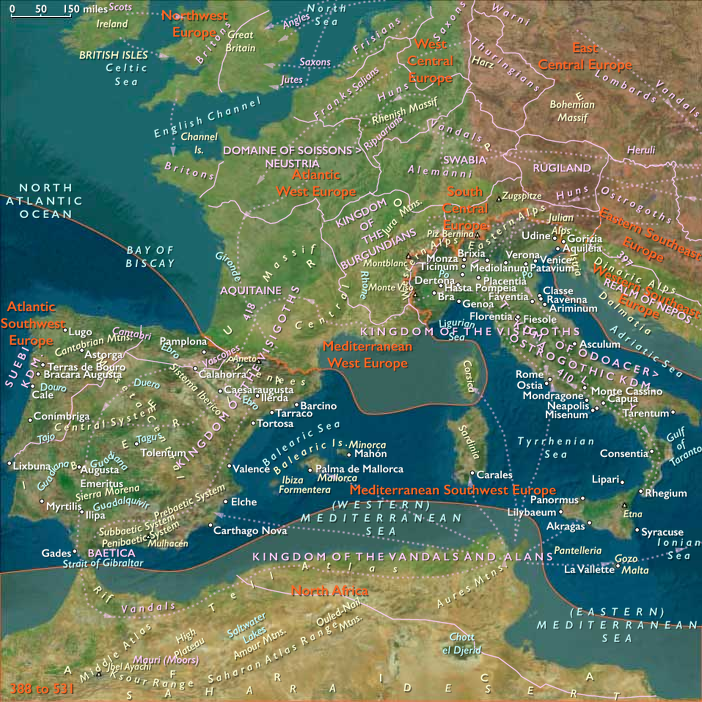
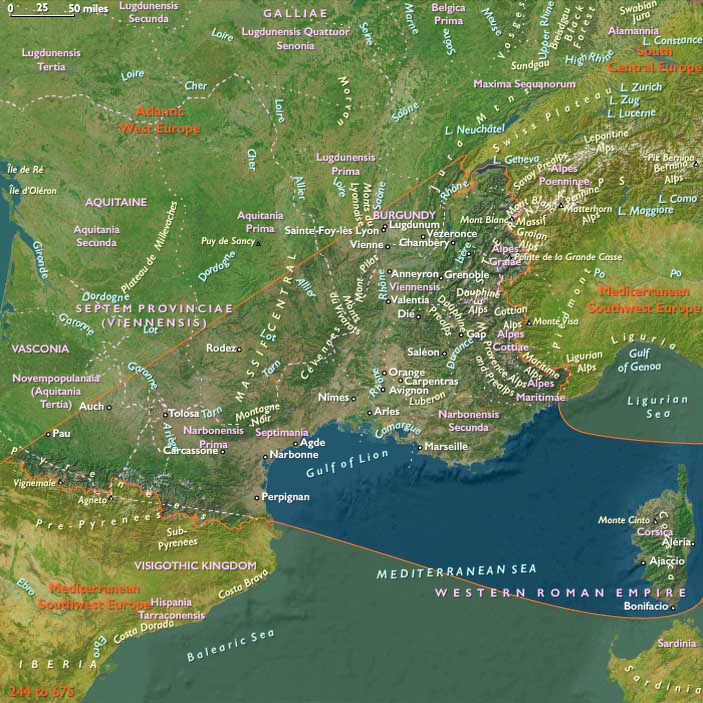
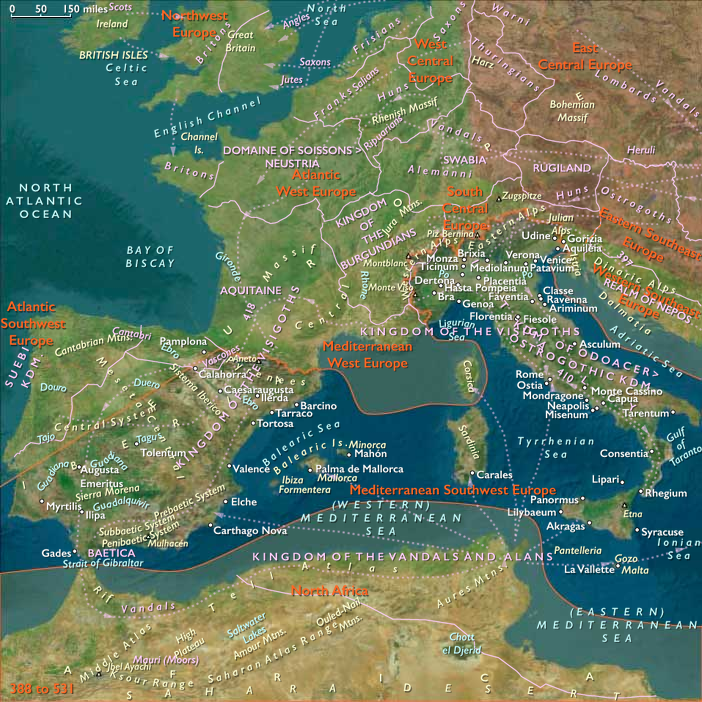
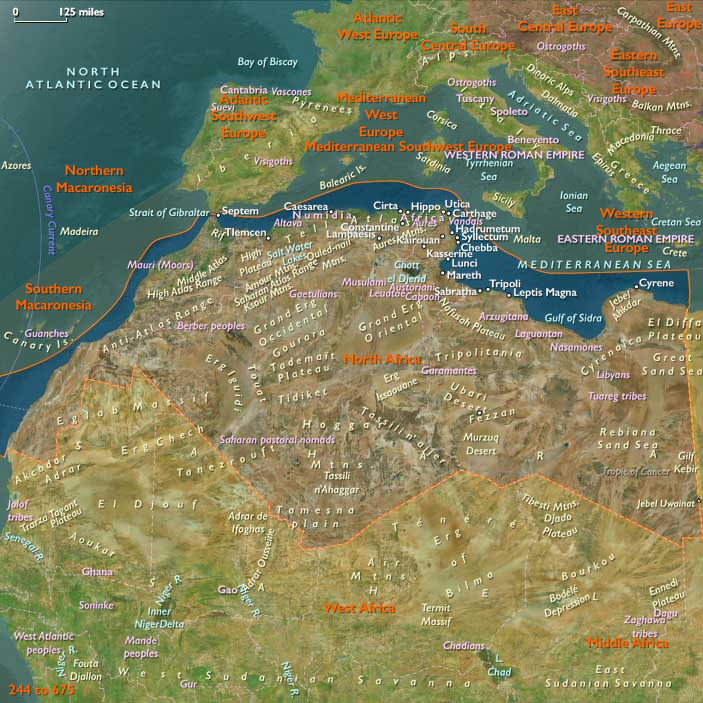
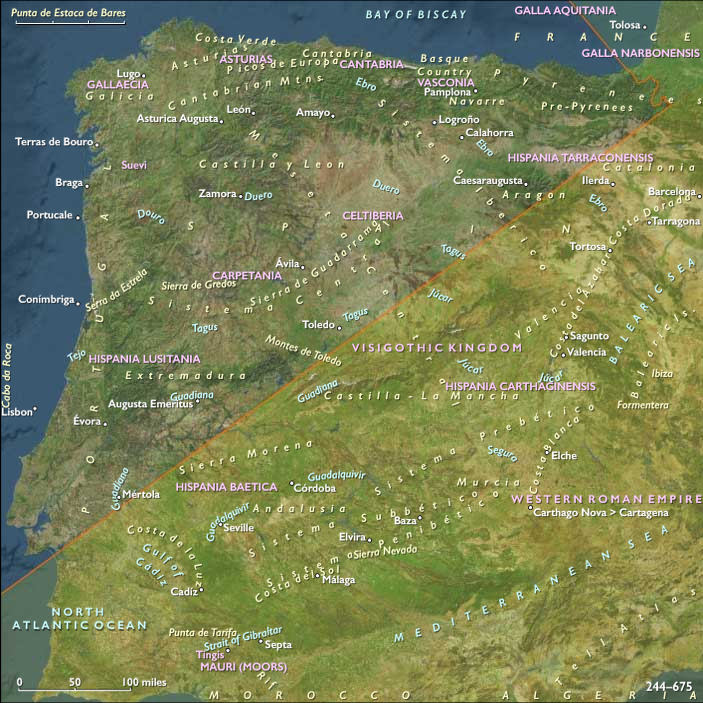
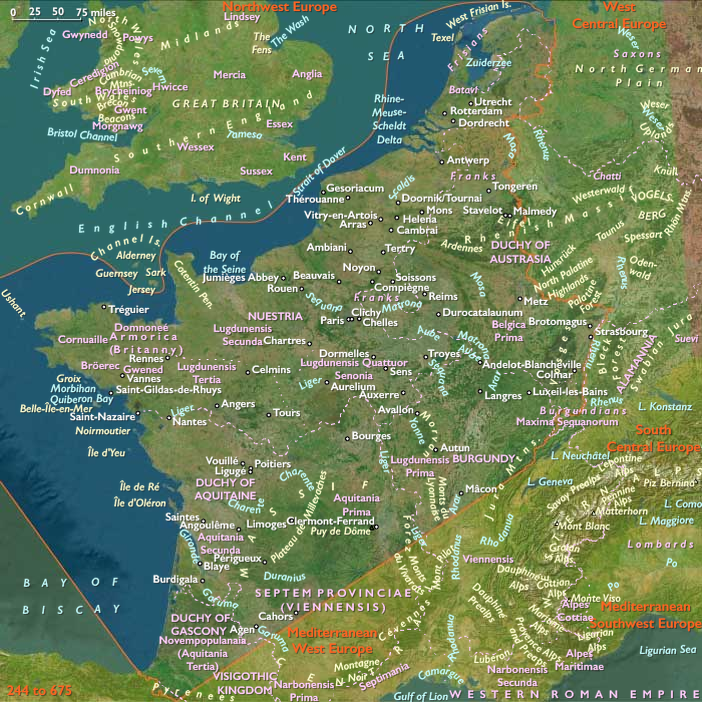
By 424 CE, Rome’s grip on its Western provinces has weakened to the point that barbarian groups—including the Vandals, Alans, Suebi, and others—begin settling in Roman territory without opposition. This shift from defensive warfare to passive accommodation marks a decisive moment in the collapse of imperial authority, as the empire can no longer enforce its will over large swaths of its own domain.
These barbarian settlements create a wave of displacement, not only for indigenous Gallo-Roman, Hispano-Roman, and Romanized African populations but also for Illyrians and others fleeing the chaos of migration and conquest. The urgent need for large-scale housing construction arises as entire regions are reshaped by newcomers and refugees alike, permanently altering the social and political fabric of Gaul, Hispania, and North Africa.
Though the Notitia Dignitatum provides a detailed record of imperial administration, its static depiction of Rome’s military and bureaucratic structure already lags behind the rapidly changing reality of the Western Empire—an empire that, by the mid-fifth century, is on the verge of fragmentation.
People
Groups
- Franks
- Vandals (East Germanic tribe)
- Suebi (Germanic tribe)
- Gallo-Roman culture
- Goths (East Germanic tribe)
- Saxons
- Alamanni (Germanic tribal alliance)
- Alamannia
- Roman Empire: Theodosian dynasty (Constantinople)
- Roman Empire, Western (Ravenna)
Topics
- Migration Period
- Hun Raids on the Roman Empire
- Fall of the Western Roman Empire
- Irish Raids in Britain
- Famines and plagues 400 to 800
- Vandal Raids on the Roman Empire
- Saxon Raids of 407-550
- Visigothic Raids on the Roman Empire, Later
- Anglo-Saxon settlement of Britain
Subjects
Regions
- The Near and Middle East
- Southeast Europe
- Central Europe
- West Europe
- North Europe
- North Africa
- Southwest Europe

Subregions
- Eastern Southeast Europe
- Middle East
- Near East
- Western Southeast Europe
- Mediterranean West Europe
- Mediterranean Southwest Europe
- North Africa
- Atlantic Southwest Europe
- Atlantic West Europe
Related Events
Showing 10 events out of 59010 total
Years: 424 - 435
People
Groups
- Franks
- Vandals (East Germanic tribe)
- Suebi (Germanic tribe)
- Gallo-Roman culture
- Goths (East Germanic tribe)
- Saxons
- Alamanni (Germanic tribal alliance)
- Alamannia
- Roman Empire: Theodosian dynasty (Constantinople)
- Roman Empire, Western (Ravenna)
Topics
- Migration Period
- Hun Raids on the Roman Empire
- Fall of the Western Roman Empire
- Irish Raids in Britain
- Famines and plagues 400 to 800
- Vandal Raids on the Roman Empire
- Saxon Raids of 407-550
- Visigothic Raids on the Roman Empire, Later
- Anglo-Saxon settlement of Britain
Subjects
Regions
- The Near and Middle East
- Southeast Europe
- Central Europe
- West Europe
- North Europe
- North Africa
- Southwest Europe
Subregions
- Eastern Southeast Europe
- Middle East
- Near East
- Western Southeast Europe
- Mediterranean West Europe
- Mediterranean Southwest Europe
- North Africa
- Atlantic Southwest Europe
- Atlantic West Europe