
Thomas Bruce, 7th Earl of Elgin, British …
Years: 1800 - 1800
January
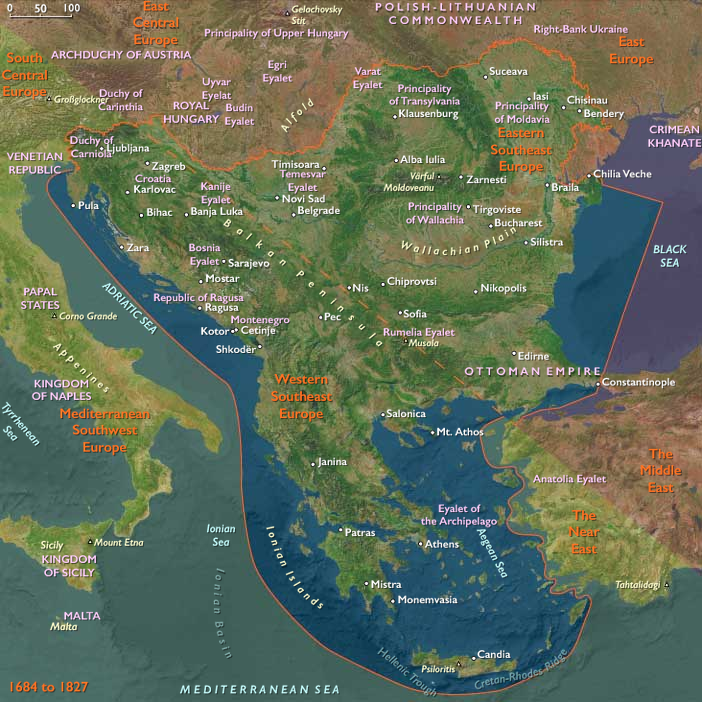
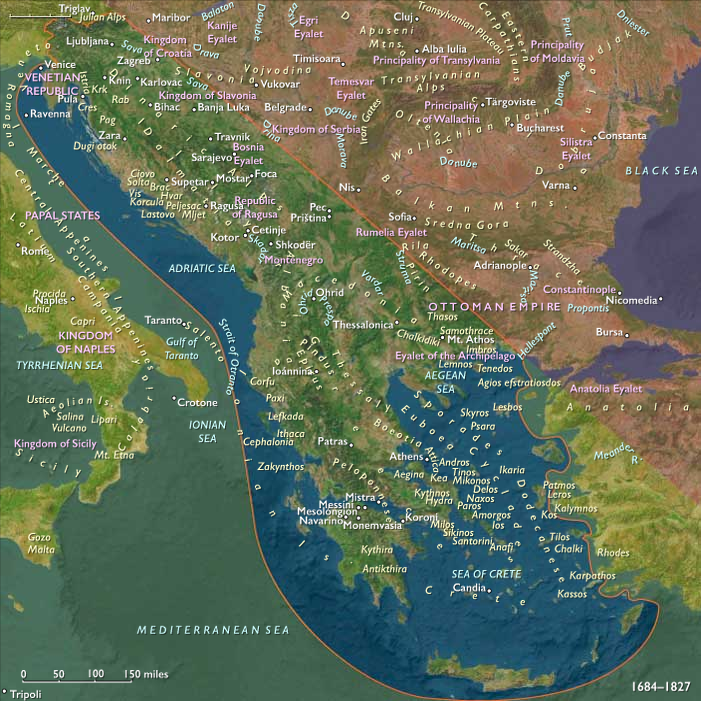
Thomas Bruce, 7th Earl of Elgin, British ambassador to the Ottoman Empire, begins removal of the Elgin Marbles from the Parthenon in Athens, where they are at risk of destruction during the Ottoman occupation of Greece, on January 5, 1802; the first shipment departs Piraeus on board Elgin's ship, the Mentor, "with many boxes of moulds and sculptures", including three marble torsos from the Parthenon.
Acting on the advice of Sir William Hamilton, Elgin had procured the services of the Neapolitan painter, Lusieri, and of several skillful draftsmen and modellers.
These artists had been dispatched to Athens in the summer of 1800, and were principally employed in making drawings of the ancient monuments, though very limited facilities had been given them by the authorities.
About the middle of the summer of 1801, Elgin had received (as is said) a firman from the Porte that allowed his lordship's agents not only to 'fix scaffolding round the ancient Temple of the Idols [the Parthenon], and to mould the ornamental sculpture and visible figures thereon in plaster and gypsum,' but also 'to take away any pieces of stone with old inscriptions or figures thereon.'
Due to the loss of the original firman, it isn't sure that the translation is correct.
The actual removal of ancient marbles from Athens had formed no part of Elgin's first plan.
Local Ottoman authorities have permitted the removal of about half of the Parthenon frieze, fifteen metopes, and seventeen pedimental fragments, in addition to a caryatid and a column from the Erechtheion.
Their removal is supposedly a decision taken on the spot by Philip Hunt, Elgin's chaplain (and temporary private secretary, i.e. representative, in Athens), who had persuaded the voivode (governor of Athens) to interpret the terms of the firman very broadly.
The collection thus formed by operations at Athens, and by explorations in other parts of Greece, and now known by the name of the 'Elgin Marbles,' consists of portions of the frieze, metopes, and pedimental sculptures of the Parthenon, as well as of sculptured slabs from the Athenian temple of Nike Apteros, and of various antiquities from Attica and other districts of Hellas.
Elgin will use these antiquities to decorate his mansion in Scotland and will later sell them to the British Museum in an attempt to repay his escalating debt.
Locations
People
Groups
Subjects
Regions
Subregions
Years: 1800 - 1800
January
Locations
People
Groups
Subjects
Regions
Subregions