
The Sintashta culture emerges from the interaction …
Years: 2205BCE - 2062BCE
The Sintashta culture emerges from the interaction of two antecedent cultures.
Its immediate predecessor in the Ural-Tobol steppe was the Poltavka culture, an offshoot of the cattle-herding Yamnaya horizon that moved east into the region between 2800 and 2600 BCE.
Several Sintashta towns were built over older Poltovka settlements or close to Poltovka cemeteries, and Poltovka motifs are common on Sintashta pottery.
Sintashta material culture also shows the influence of the late Abashevo culture, a collection of settlements in the forest steppe zone north of the Sintashta region that were also predominantly pastoralist.
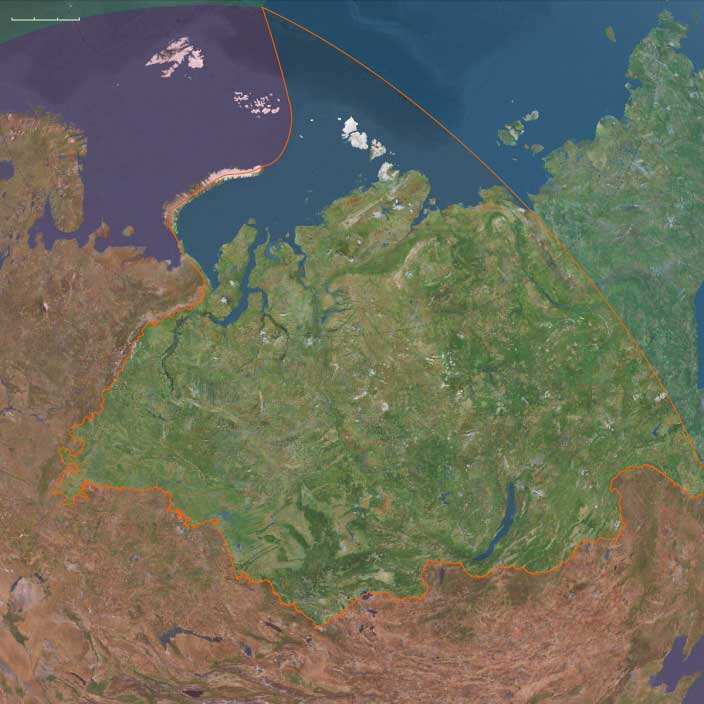
The first Sintashta settlements appear around 2100 BCE, during a period of climatic change that sees the already arid Kazakh steppe region become even more cold and dry.
The marshy lowlands around the Ural and upper Tobol rivers, previously favored as winter refuges, become increasingly important for survival.
Under these pressures both Poltovka and Abashevo herders settle permanently in river valley strongholds, eschewing more defensible hilltop locations.
Groups
Topics
Commodoties
Subjects
- Commerce
- Engineering
- Environment
- Labor and Service
- Conflict
- Faith
- Government
- Technology
- Anthropology
- Archaeology
Regions

Subregions
Years: 2205BCE - 2062BCE
Groups
Topics
Commodoties
Subjects
- Commerce
- Engineering
- Environment
- Labor and Service
- Conflict
- Faith
- Government
- Technology
- Anthropology
- Archaeology
Regions
Subregions