The Expansion of Sugar Production and the …
Years: 1552 - 1563
The Expansion of Sugar Production and the Rise of Iron-Casting Industries (Pre-1550)
The sugar industry in the New World, which saw the construction of approximately 3,000 small sugar mills before 1550, created an unprecedented demand for iron components, such as cast iron gears, levers, axles, and other mechanical implements. This demand fueled the growth of specialist trades in mold-making and iron-casting across Europe, marking an important stage in the technological and industrial development of early modern Europe.
The Role of Sugar Mills in Driving Iron Production
-
Growth of the Sugar Industry in the New World
- The Portuguese and Spanish introduced sugar plantations to the Caribbean, Brazil, and New Spain in the early 16th century.
- Sugar production was highly labor-intensive, requiring both large workforces (enslaved and free) and mechanized equipment.
- The massive increase in sugar mills meant that metal components were needed to process and refine the sugar cane efficiently.
-
Increased Demand for Iron-Casting and Mold-Making
- Sugar mills required cast iron parts for crushing rollers, gears, levers, and axles to process large quantities of sugarcane.
- This demand led to the development of new foundries in Europe, particularly in:
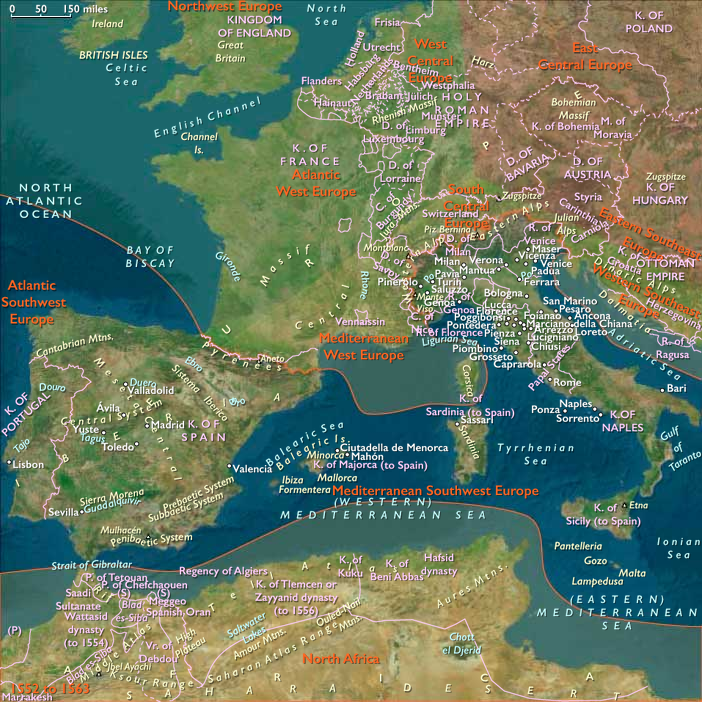
- Portugal and Spain (to supply their colonies).
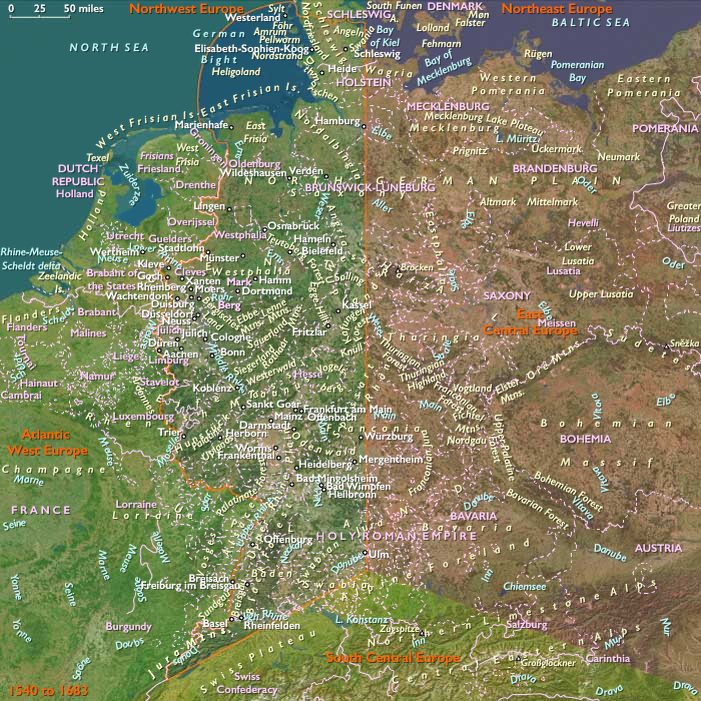
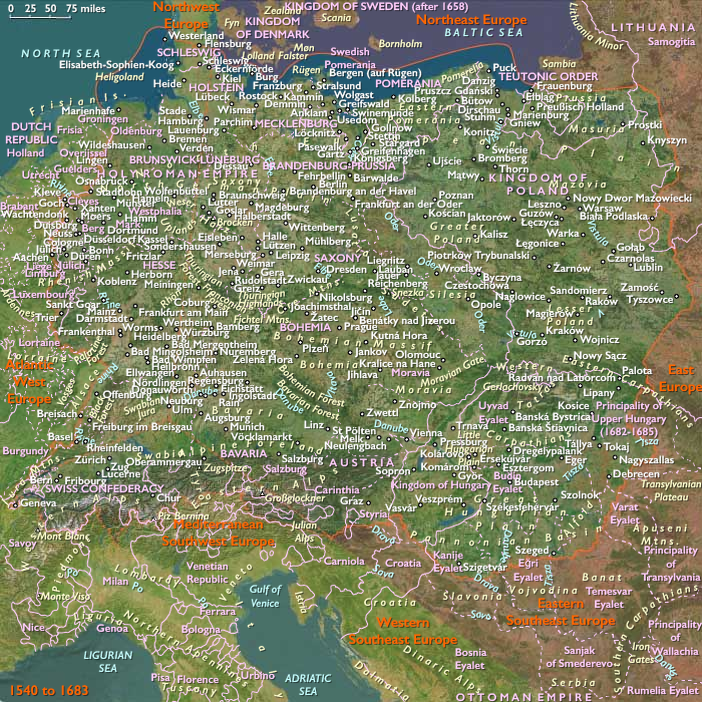
- Flanders and northern Italy (centers of advanced metalwork).
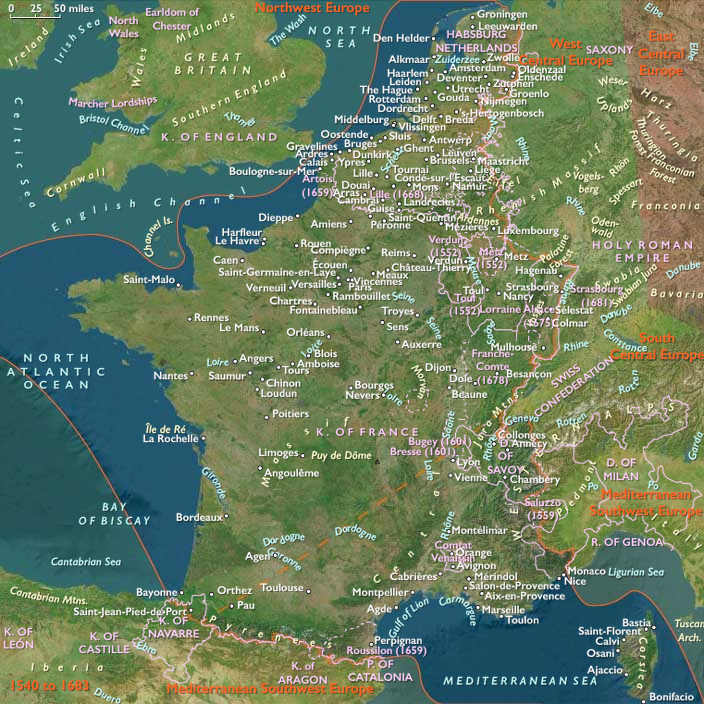
- England and France, which began refining their ironworking techniques.
The Rise of Specialized Trades in Europe
- Mold-making and iron-casting became specialized industries due to the growing need for precision metal parts in sugar mills.
- Foundries experimented with new techniques in casting iron gears and components to increase durability and efficiency.
- The spread of sugar refining technology created lasting advances in metallurgy, which would later contribute to the Industrial Revolution.
Long-Term Impact on Technology and Industry
-
Advancements in Ironworking
- The demand for stronger, more durable iron components led to improvements in casting techniques, benefiting other industries like shipbuilding and mining.
-
Economic Growth in European Foundries
- The sugar industry created a transatlantic economy, linking colonial plantations to European manufacturers.
-
The Foundation for Later Industrialization
- The early iron-casting methods developed for sugar mills laid the groundwork for the mechanization of other industries in the 17th and 18th centuries.
Conclusion: Sugar and the Technological Transformation of Europe
The explosive growth of sugar production in the New World before 1550 not only reshaped colonial economies but also stimulated technological advances in Europe. The demand for cast iron machinery for sugar mills spurred the development of specialist trades in metallurgy, mold-making, and iron-casting, helping to modernize European industry and paving the way for future technological progress.
Years: 1552 - 1563
Commodoties
Subjects
Regions
Subregions
- East Central Europe
- South Central Europe
- Mediterranean West Europe
- Atlantic Southwest Europe
- Atlantic West Europe
- West Central Europe