
The Seventeenth Council of Toledo first meets …
Years: 694 - 694
The Seventeenth Council of Toledo first meets on November 9, 694 under King Egica.
It is the king's third council and primarily directed, as was the Sixteenth, against the Jews, of whom Egica seems to have had a profound distrust and dislike.
The king opens the synod by claiming that he has heard news of Jews overthrowing their Christian rulers overseas and that Iberian Jews are conspiring with these cousins to end the Christian religion once and for all.
The council therefore decrees in its eight canon that all Jews, except those in Narbonensis, are to be deprived of their property, which is to be given to their Christian slaves, and enslaved themselves.
All Jewish children reaching the age of seven should be taken from their homes and raised as Christians.
Their slavekeepers are chosen by the king and are to be contractually obligated to never allow the practice of the Jewish religion again.
It is, however, almost certain that, in at least some parts of Spain, these regulations were not strictly enforced, particularly in towns where Jews were deemed indispensable to the economy; though in others, they certainly were.
Indeed, as a result of the disintegrating Visigothic power, the law is hardly enforced beyond the capital city itself.
The council tries to protect the life of Egica's queen and children after his death, knowing the harm which could befall the royal family during a succession, and the bishops order prayers said for their souls.
The council's minutes remain the best source of information for its period in Spanish history.
Locations
People
Groups
- Jews
- Goths (East Germanic tribe)
- Christianity, Chalcedonian
- Septimania
- Visigothic Kingdom of Spain
- Islam
Topics
Commodoties
Subjects
- Commerce
- Environment
- Labor and Service
- Conflict
- Faith
- Government
- Custom and Law
- Technology
- Movements
- Economics
Regions
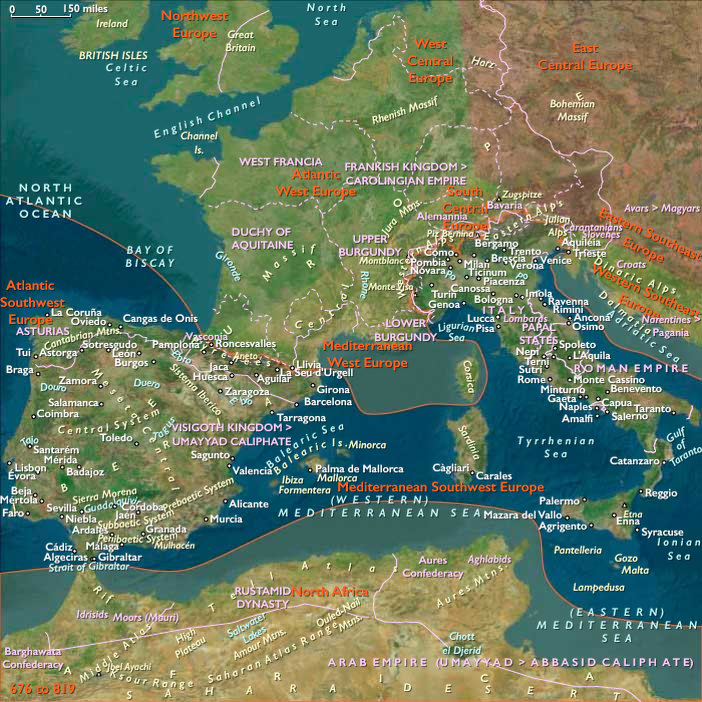
Subregions
Related Events
Showing 10 events out of 55921 total
Years: 694 - 694
Locations
People
Groups
- Jews
- Goths (East Germanic tribe)
- Christianity, Chalcedonian
- Septimania
- Visigothic Kingdom of Spain
- Islam
Topics
Commodoties
Subjects
- Commerce
- Environment
- Labor and Service
- Conflict
- Faith
- Government
- Custom and Law
- Technology
- Movements
- Economics
Regions
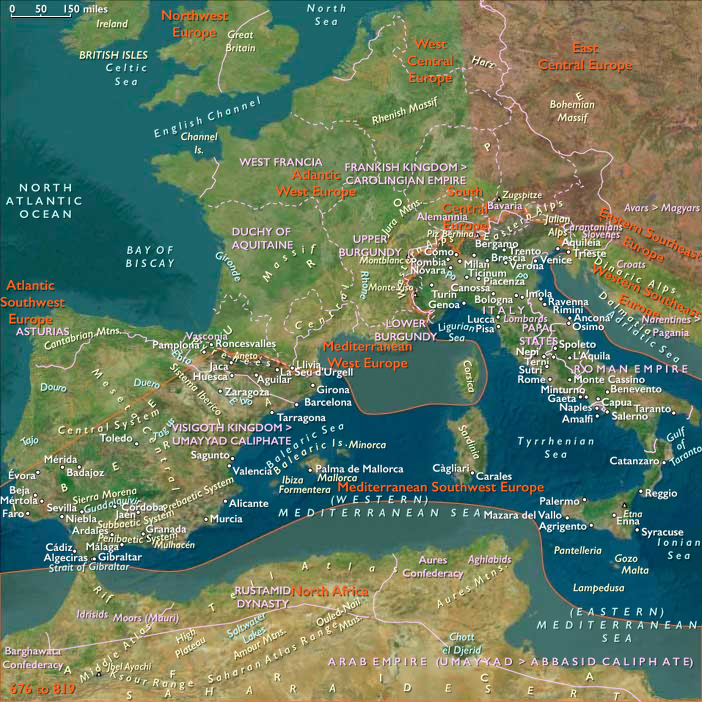
Subregions