
The Seljuq Turks, riding south and west …
Years: 1060 - 1071
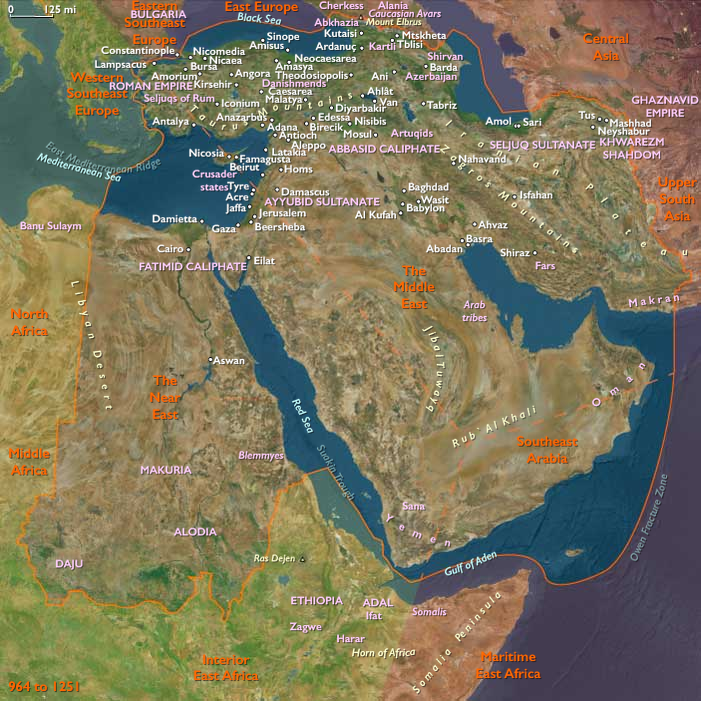
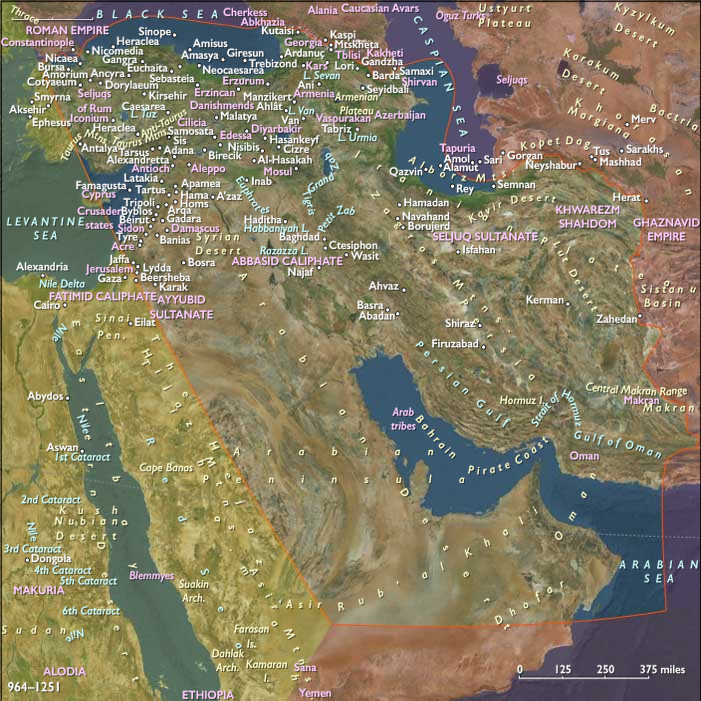
The Seljuq Turks, riding south and west from the steppes of Central Asia, replicate tactics practiced by the Huns hundreds of years earlier against a similar Roman opponent but now combined these with newfound Islamic zeal; in many ways, the Seljuq Turks have resumed the conquests of the Muslims in the Byzantine-Arab Wars initiated by the Rashidun, Umayyad and Abassid Caliphate in the Levant, North Africa and Asia Minor.
The Byzantine-Seljuq wars are a series of decisive battles that shift the balance of power in Asia Minor and Syria from the East Roman Empire to the Seljuq Turks.
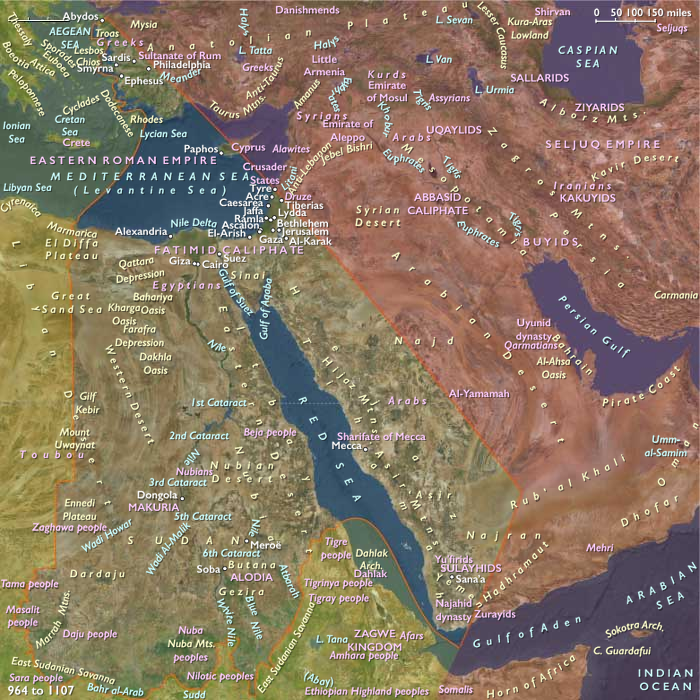
Alp-Arslan, the second sultan of the Turkish Great Seljuq empire, successfully fights off the challenge of the Ghaznavids of Afghanistan and other dynasties that have arisen after the decline of the Abbasid caliphate and, after restoring unity to Iran and Iraq, asserts his authority to the borders of Fatimid Egypt and Greek Anatolia.
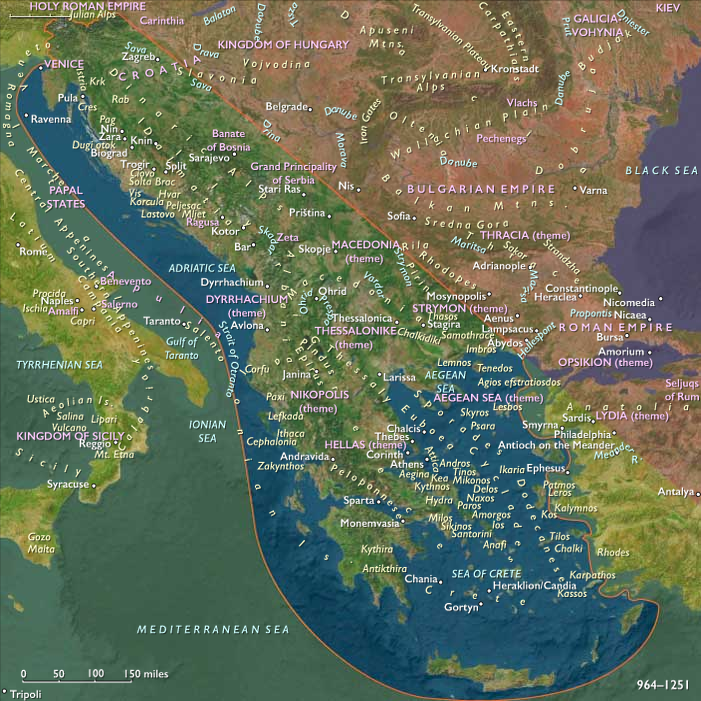
The Battle of Manzikert is widely seen as the moment when the Greeks lost the war against the Turks; however the imperial military had been of questionable quality before 1071, with regular Turkish incursions overrunning the failing theme system.
The Turkmens, with the frontier completely shattered after the Battle of Manzikert, are able to range over most of Anatolia virtually at will.
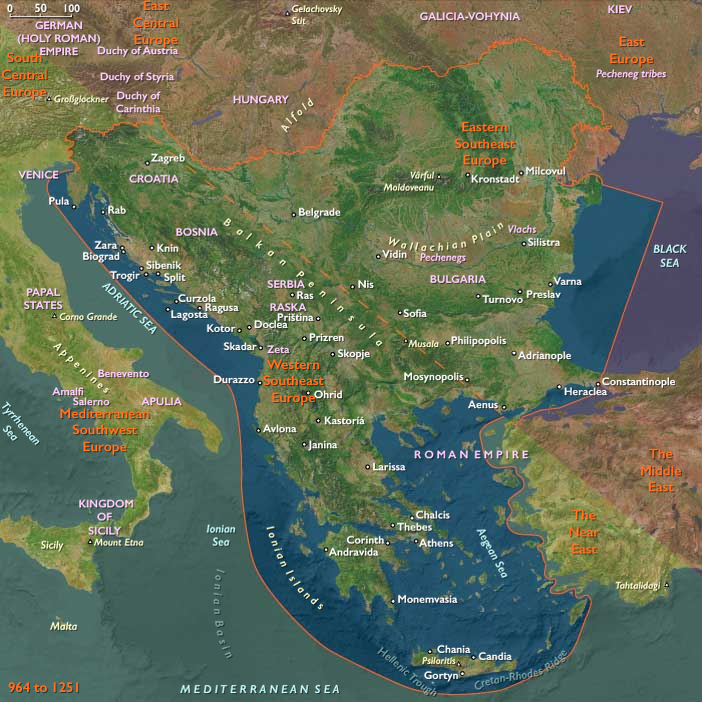
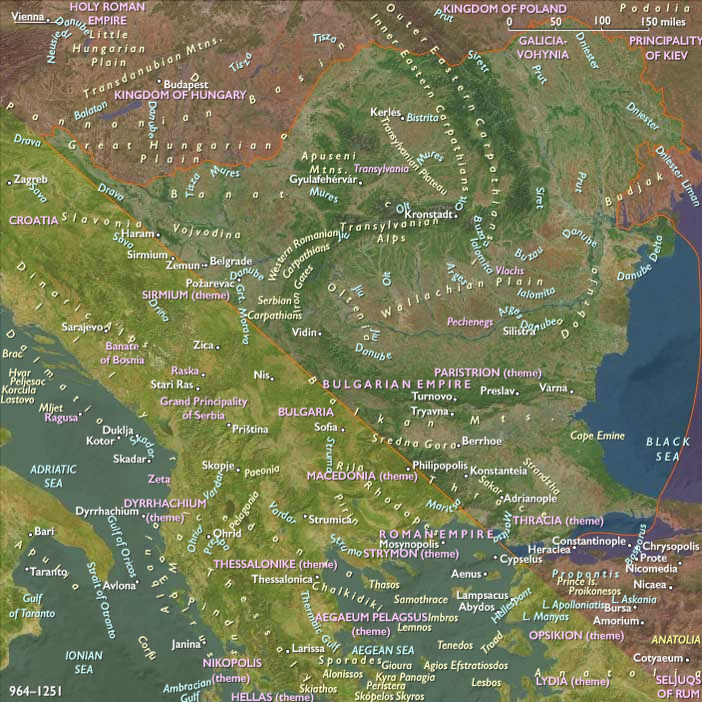
Constantinople’s rule over Asia Minor, even after Manzikert, does not end immediately, nor are any heavy concessions levied by the Turks on their opponents—it will take another twenty years before the Turks are in control of the entire Anatolian peninsula, and that will not last for long.
People
Groups
- Arab people
- Oghuz Turks
- Islam
- Egypt in the Middle Ages
- Muslims, Sunni
- Ghaznavids
- Fatimid Caliphate
- Seljuq Empire (Isfahan)
- Christians, Eastern Orthodox
- Roman Empire, Eastern: Doukid dynasty
Topics
Subjects
Regions
Subregions
Related Events
Showing 10 events out of 51034 total
Years: 1060 - 1071
People
Groups
- Arab people
- Oghuz Turks
- Islam
- Egypt in the Middle Ages
- Muslims, Sunni
- Ghaznavids
- Fatimid Caliphate
- Seljuq Empire (Isfahan)
- Christians, Eastern Orthodox
- Roman Empire, Eastern: Doukid dynasty
Topics
Subjects
Regions
Subregions