
Hadrian’s Military Strategy and Defensive Policies (117–138 …
Years: 112 - 123
Hadrian’s Military Strategy and Defensive Policies (117–138 CE)
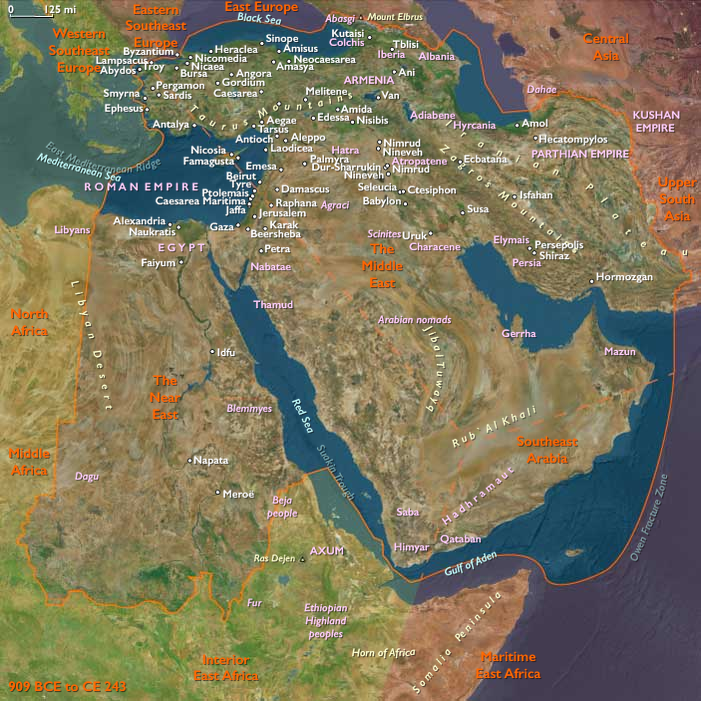
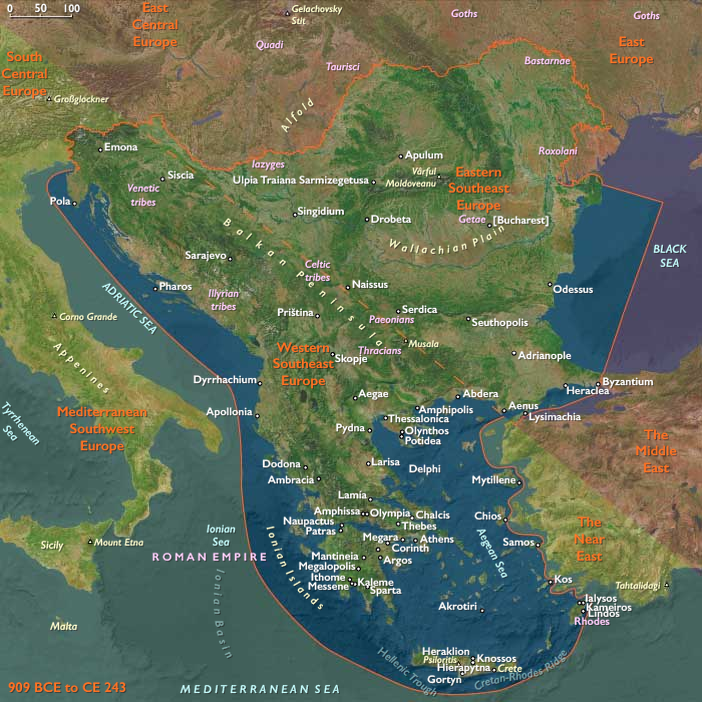
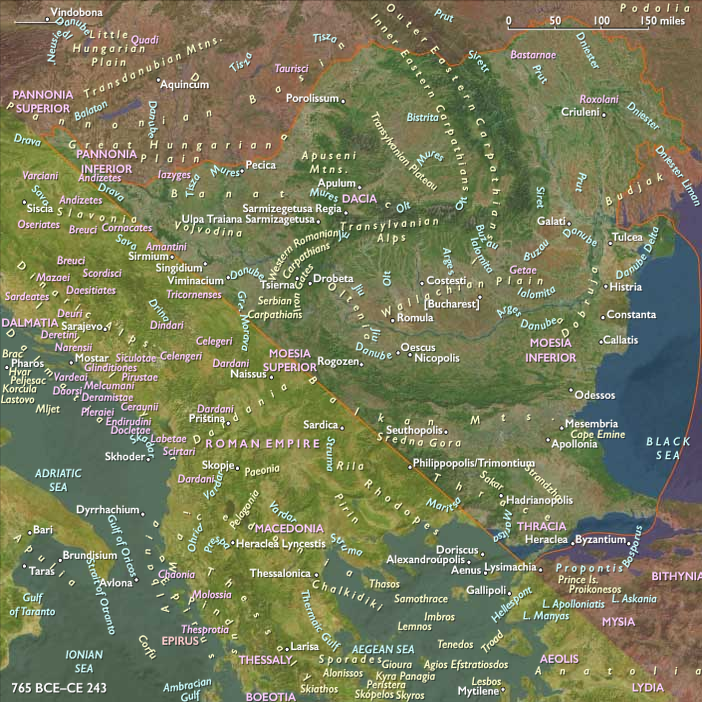
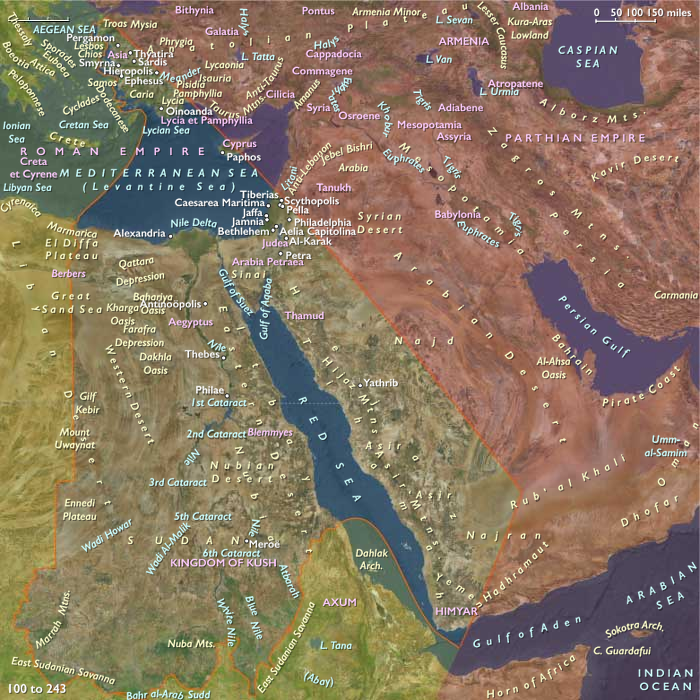
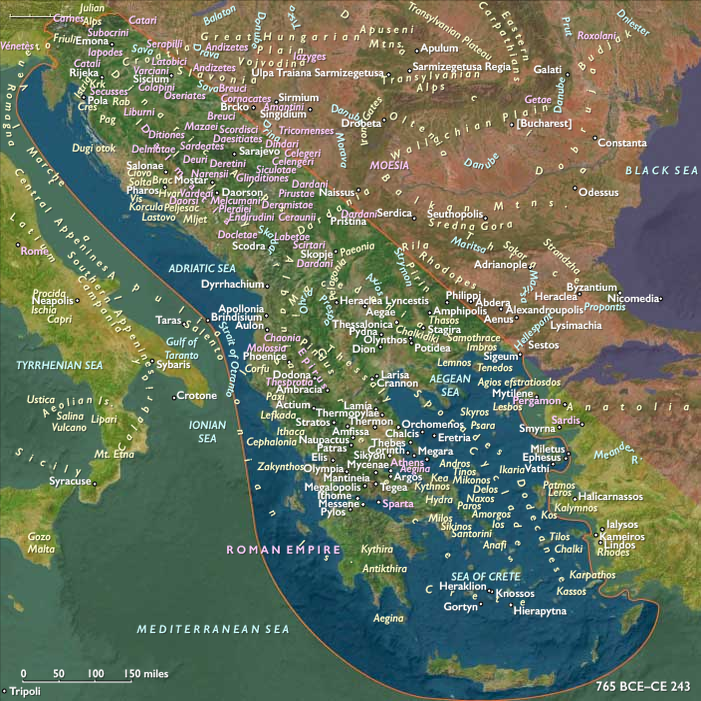
Unlike his predecessor Trajan, who pursued an expansionist policy, Emperor Hadrian (r. 117–138 CE) took a more defensive approach to Rome’s frontiers. He renounced most of Trajan’s eastern conquests, making no attempt to reclaim Parthian territories briefly occupied by Roman forces. However, he retained the province of Dacia, recognizing its strategic and economic importance.
Hadrian’s Defensive Strategy and Military Reforms
Hadrian’s "peace through strength" policy focused on fortifying Rome’s borders (limites) rather than expanding them.
1. Hadrian’s Wall: Defending Britain’s Northern Frontier
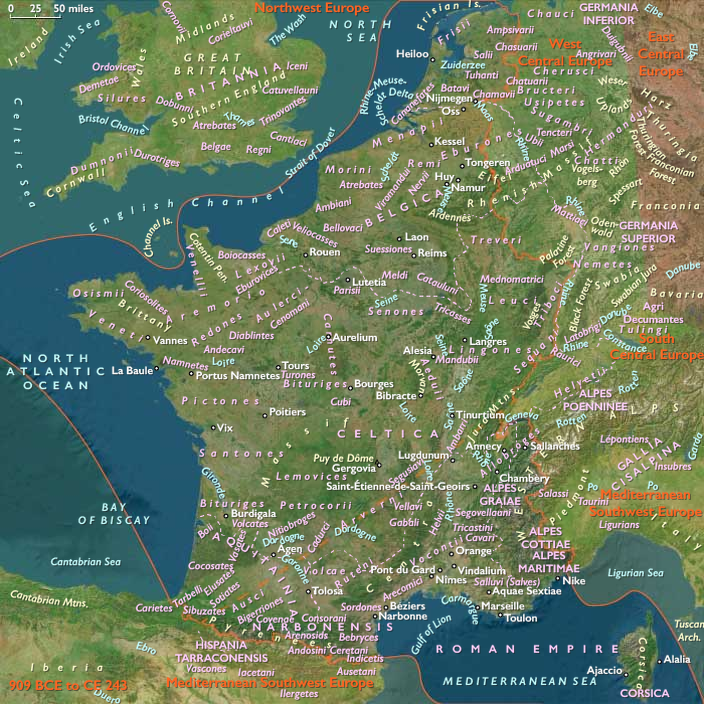
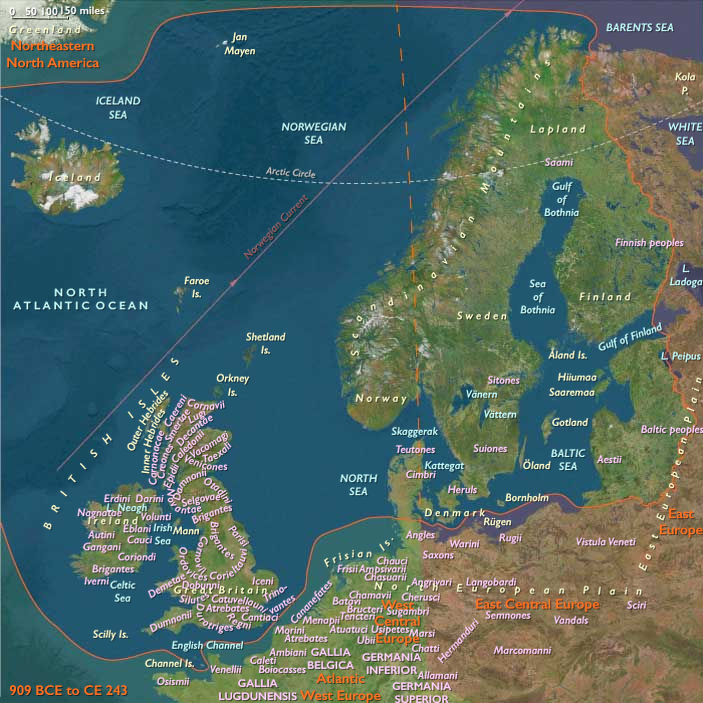
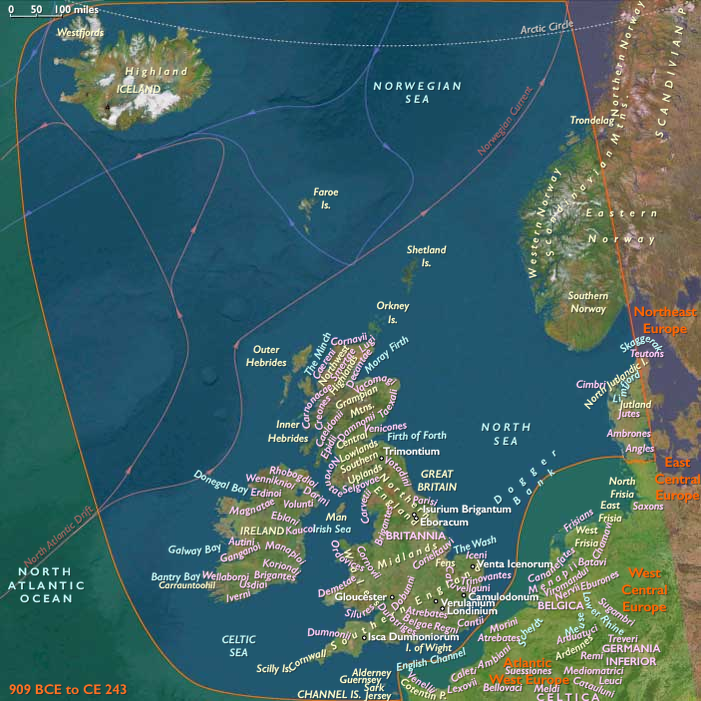
- The most famous of Hadrian’s defensive projects was Hadrian’s Wall in Britain, constructed to mark the empire’s northernmost boundary.
- Built around 122 CE, it stretched 73 miles (117 km) across northern England, featuring:
- Stone walls and ditches to prevent incursions.
- Forts and milecastles housing Roman garrisons.
- Watchtowers and roads for rapid communication.
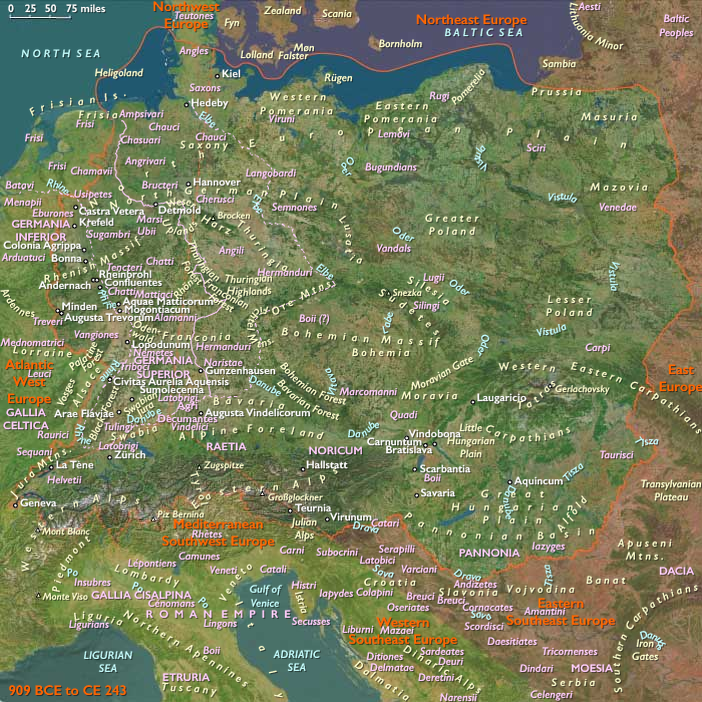
2. Strengthening the Danube and Rhine Frontiers
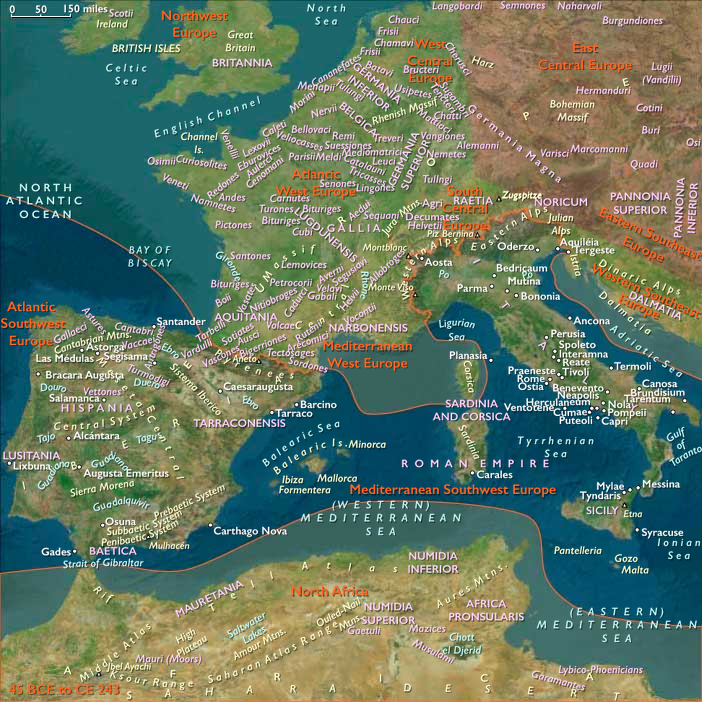
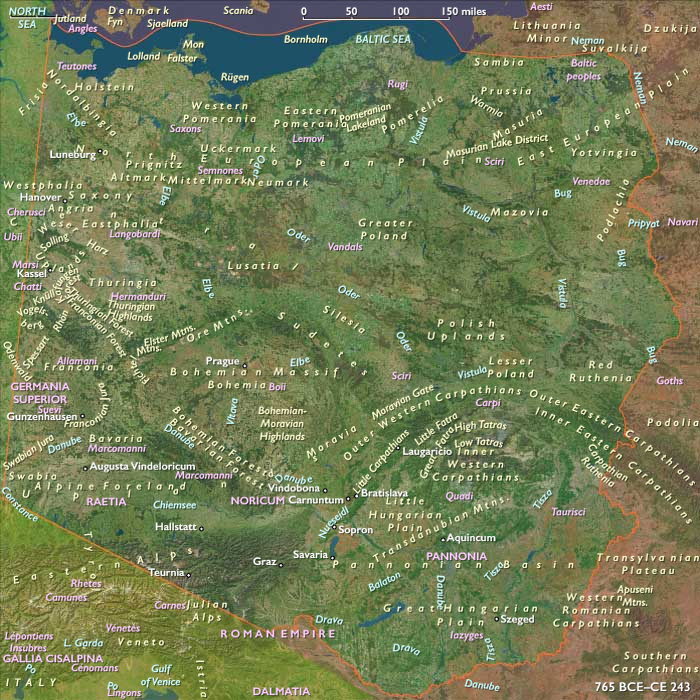
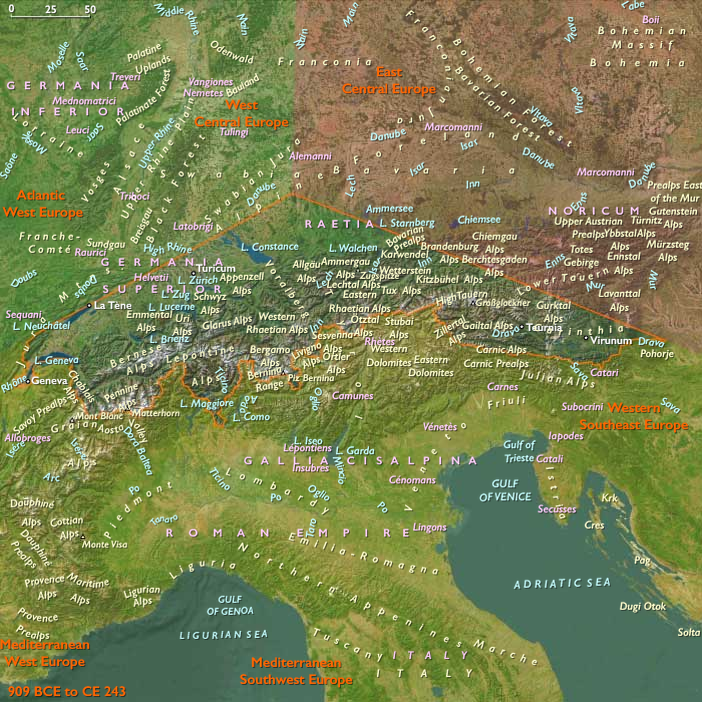
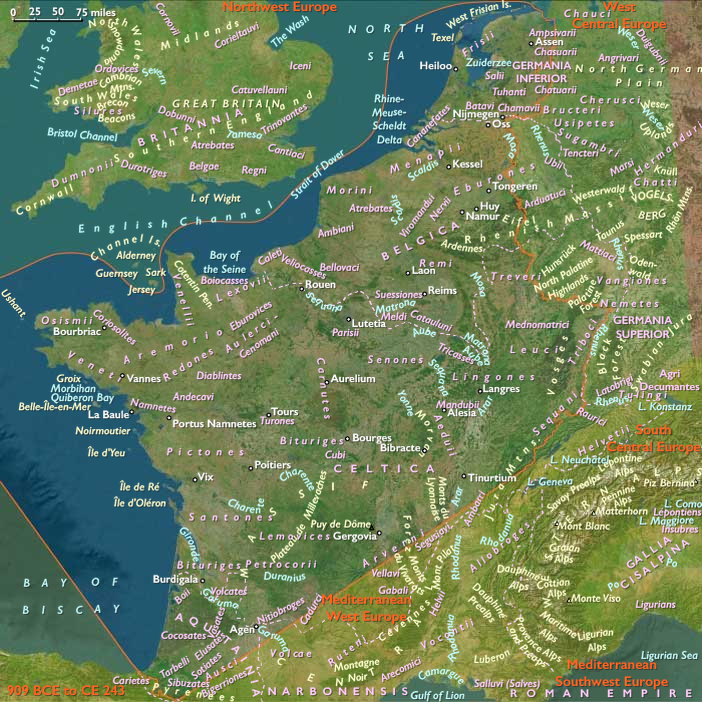
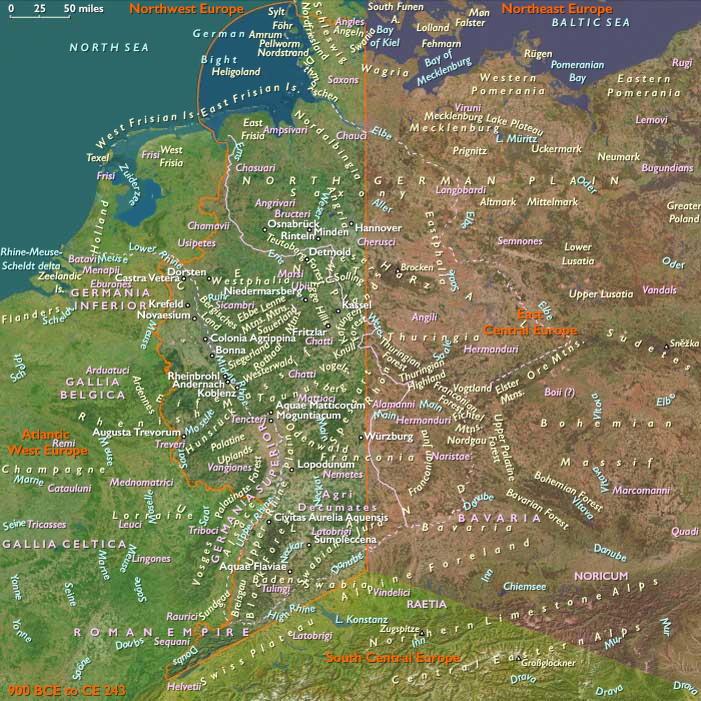
- In continental Europe, Hadrian reinforced the Danube and Rhine borders, constructing:
- Fortified camps and wooden palisades to control movement.
- Outposts and watchtowers for early warning and security.
- Improved communication networks to facilitate troop movements.
3. Military Discipline and Readiness
- Hadrian was deeply involved in military affairs, frequently touring the provinces to inspect Rome’s legions.
- He implemented:
- Rigorous drill routines to maintain discipline.
- Strategic deployments to respond quickly to threats.
- Reforms ensuring better training, supply chains, and troop welfare.
Hadrian’s Military Image and Propaganda
Despite his defensive policies, Hadrian projected an image of military strength and preparedness:
- His imperial coinage often depicted:
- Victorious soldiers to symbolize Rome’s military power.
- Fortified cities and provinces, reinforcing his commitment to defense.
- Images of Hadrian in military attire, maintaining his connection with the army.
Hadrian’s approach balanced military pragmatism with imperial propaganda, ensuring that Rome remained secure without overextending itself.
The Legacy of Hadrian’s Defensive Policies
- His fortifications and strategic reforms helped stabilize Rome’s borders for much of the 2nd century CE.
- His policy of consolidation rather than expansion marked a shift in imperial military doctrine, influencing later emperors.
- Hadrian’s Wall and other fortifications became enduring symbols of Roman engineering and military organization.
By prioritizing defense and stability over conquest, Hadrian preserved the strength of the Roman Empire, ensuring that it remained resilient in an era of growing external threats.
People
Groups
- Dacians, or Getae, or Geto-Dacians
- Parthian Empire
- Britain, Roman
- Roman Empire (Rome): Nerva-Antonine dynasty
Topics
Subjects
Regions
- The Near and Middle East
- Southeast Europe
- Central Europe
- West Europe
- North Europe
- North Africa
- Southwest Europe
Subregions
- East Central Europe
- Eastern Southeast Europe
- Near East
- Western Southeast Europe
- South Central Europe
- Mediterranean West Europe
- Mediterranean Southwest Europe
- North Africa
- Atlantic Southwest Europe
- Atlantic West Europe
- West Central Europe
- Northwest Europe
Related Events
Showing 3 events out of 3 total
Years: 112 - 123
People
Groups
- Dacians, or Getae, or Geto-Dacians
- Parthian Empire
- Britain, Roman
- Roman Empire (Rome): Nerva-Antonine dynasty
Topics
Subjects
Regions
- The Near and Middle East
- Southeast Europe
- Central Europe
- West Europe
- North Europe
- North Africa
- Southwest Europe
Subregions
- East Central Europe
- Eastern Southeast Europe
- Near East
- Western Southeast Europe
- South Central Europe
- Mediterranean West Europe
- Mediterranean Southwest Europe
- North Africa
- Atlantic Southwest Europe
- Atlantic West Europe
- West Central Europe
- Northwest Europe