
The End of the Mousterian Pluvial and …
Years: 28557BCE - 26830BCE
The End of the Mousterian Pluvial and the Influence of the Laurentide Ice Sheet
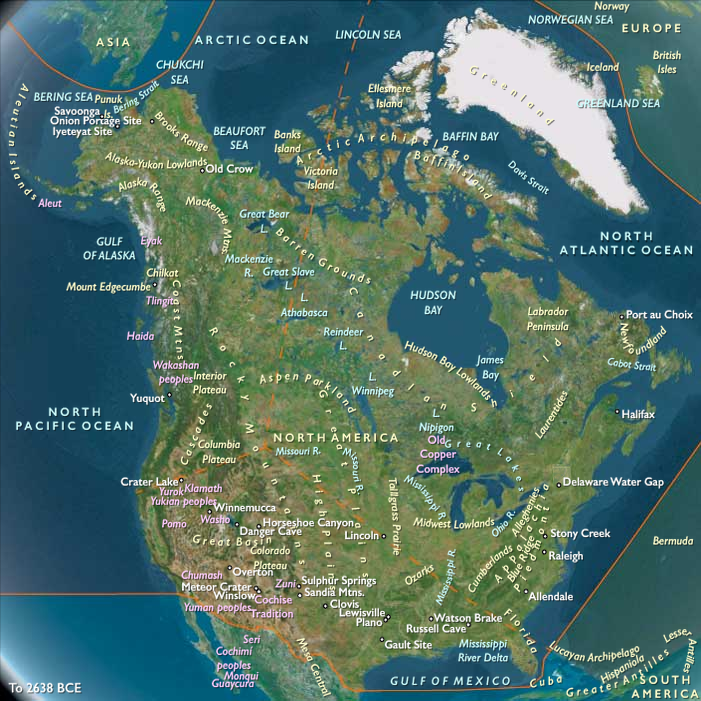
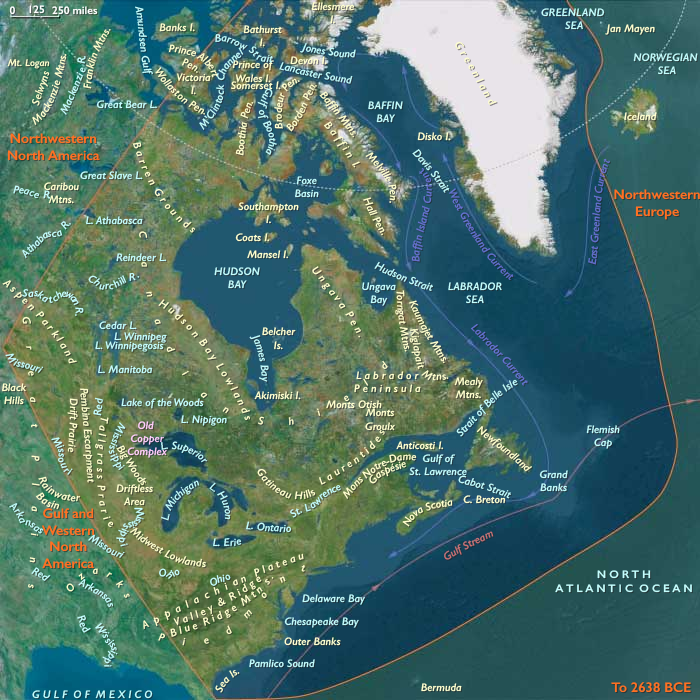
The same climatic influences that had created the Mousterian Pluvial—a period of increased rainfall that transformed North Africa into a more hospitable environment—also appear to have contributed to its decline. During its peak development, between 30,000 and 18,000 years ago, a major shift in global climate patterns was driven by the expansion of the Laurentide Ice Sheet in North America.
The Laurentide Ice Sheet and Its Impact on Global Climate
- The Laurentide Ice Sheet, which covered vast portions of North America, reached an altitude of 1,750 meters (more than one mile), altering atmospheric circulation on a large scale.
- Its massive size allowed it to generate its own long-term weather patterns, which had far-reaching effects on the Northern Hemisphere’s climate.
The Jet Stream Split and the Return to Aridity
- The jet stream, the high-altitude air current that controls weather systems, was disrupted by the Laurentide Ice Sheet, causing it to split into two branches.
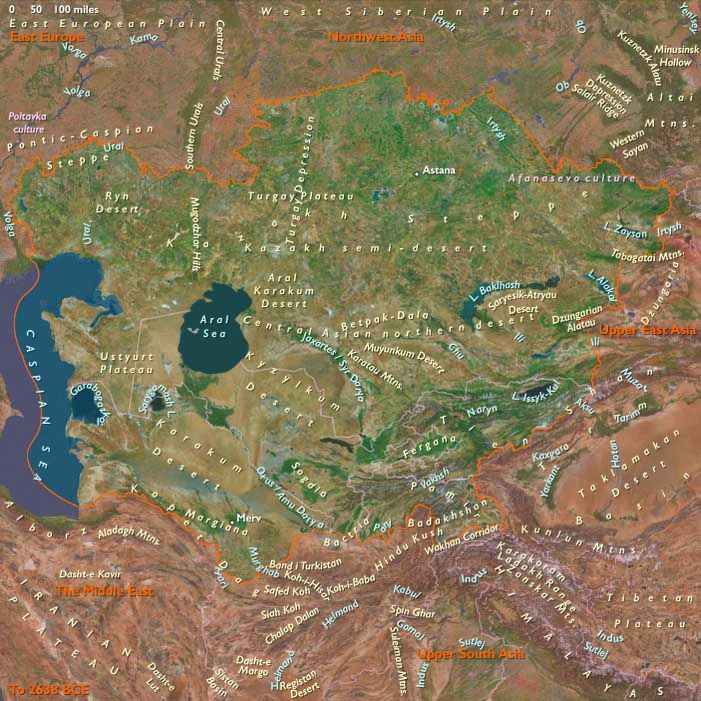
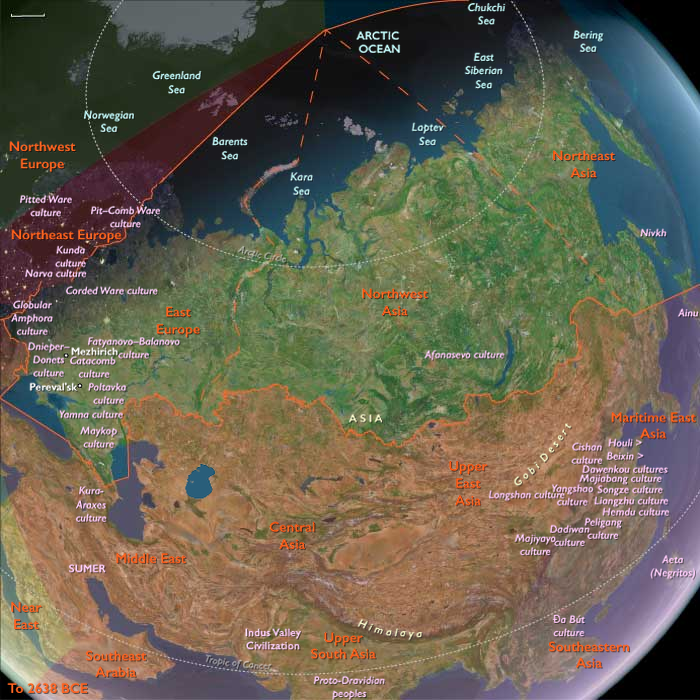
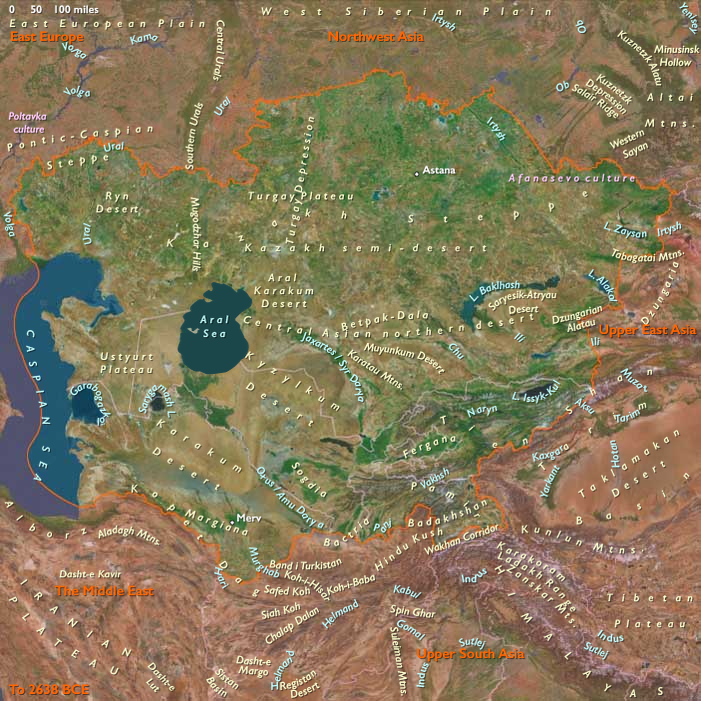
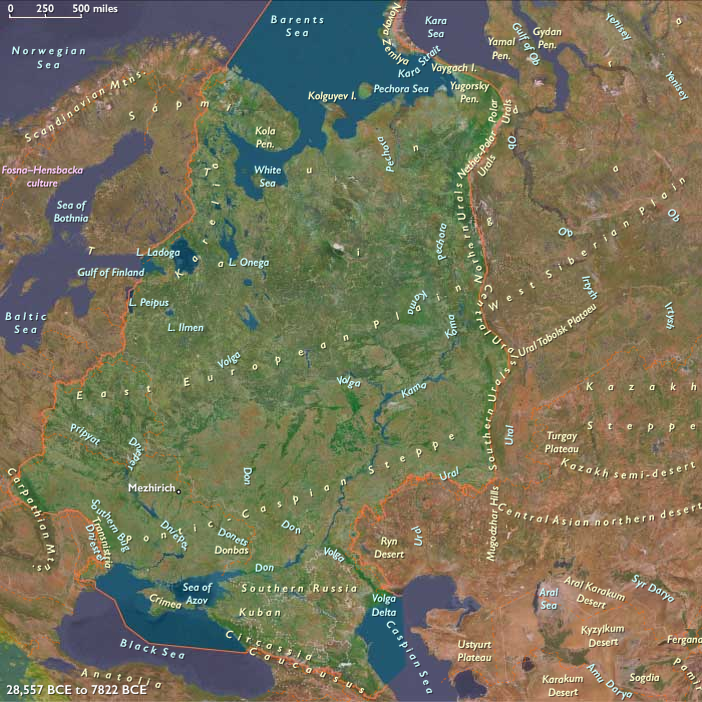
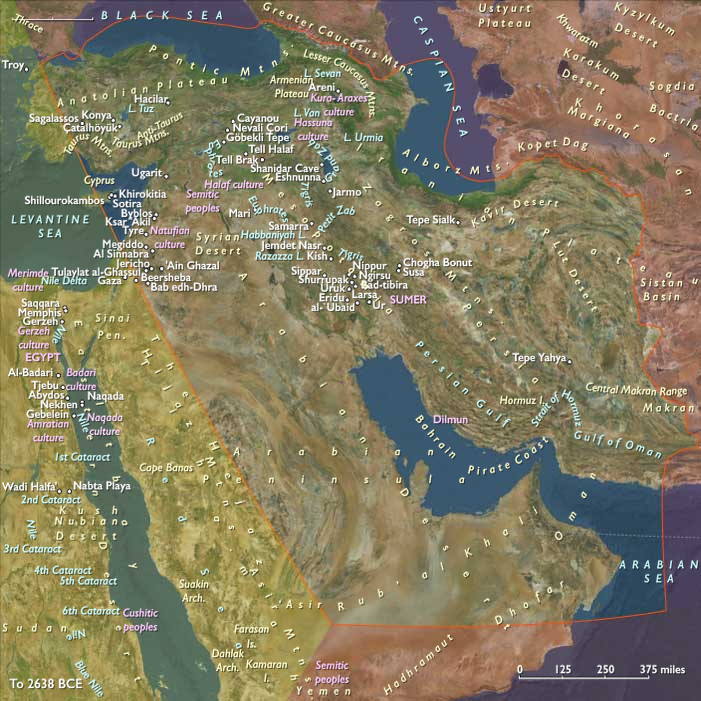
- This new dominant weather pattern resulted in harsher climatic conditions in multiple regions, including Central Asia and the Middle East.
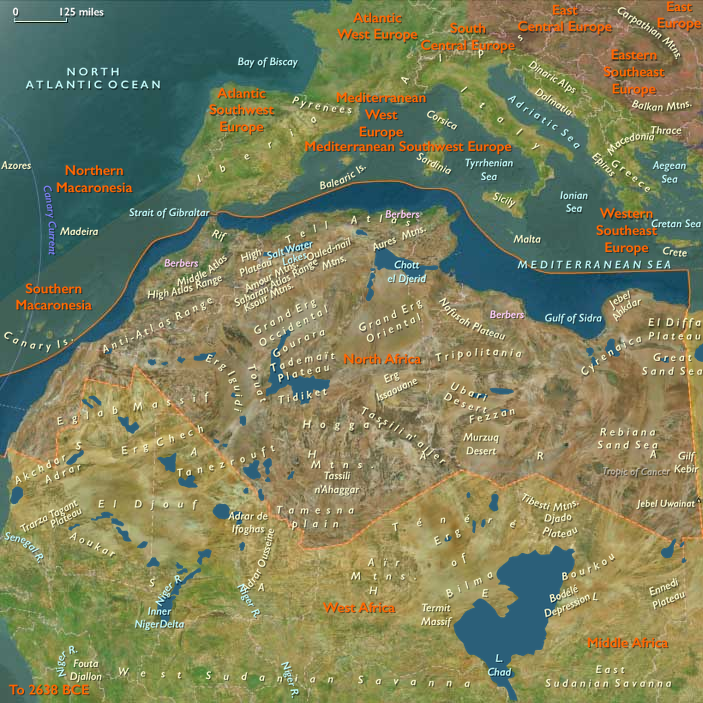
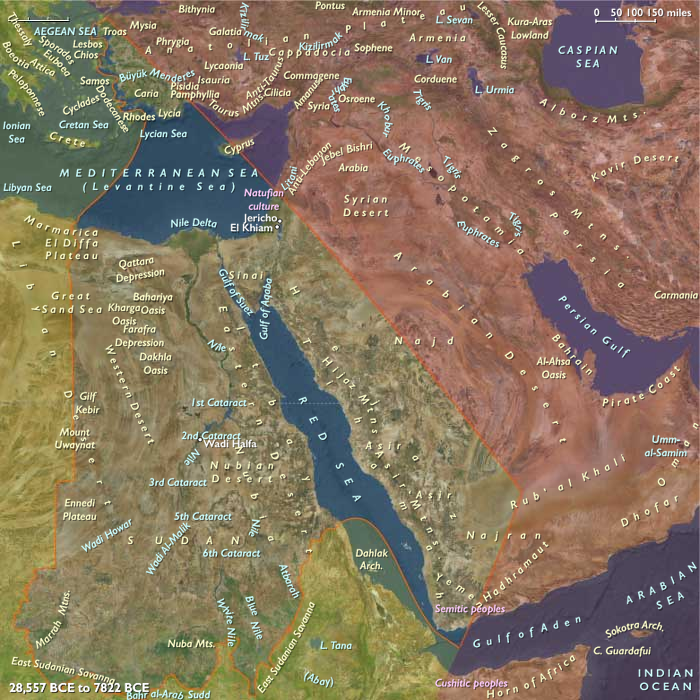
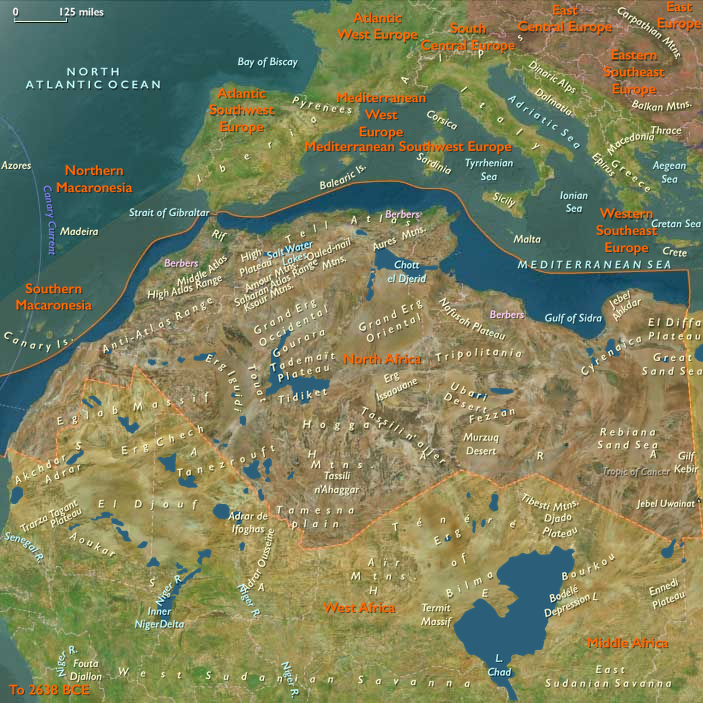
- In North Africa, the climate began shifting away from the humid conditions of the Mousterian Pluvial, leading to a return of aridity.
Consequences for Human and Ecological Landscapes
- As rainfall decreased, lakes and rivers that had once supported human populations and wildlife began to dry up.
- This change forced human groups to migrate, seeking more sustainable environments, while desertification expanded across the Sahara.
- The end of the Mousterian Pluvial marks an important transition in prehistoric climate history, as it reshaped the ecosystems of North Africa and surrounding regions, influencing the movements and adaptations of early human populations.
These climatic shifts, triggered by glacial expansion in the Northern Hemisphere, demonstrate the interconnected nature of global climate systems, showing how distant geological events could dramatically alter environments thousands of kilometers away.
Groups
Topics
Subjects
Regions
- Central Asia
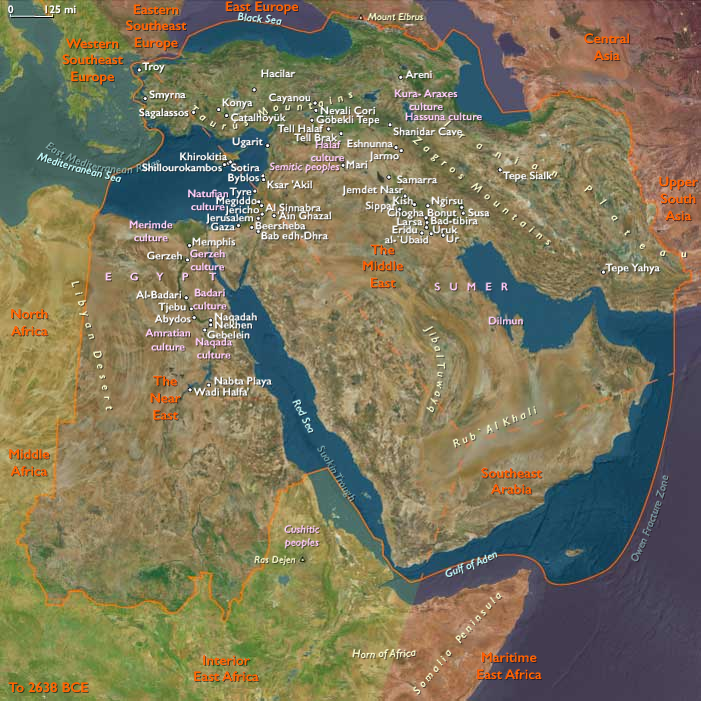
- The Near and Middle East
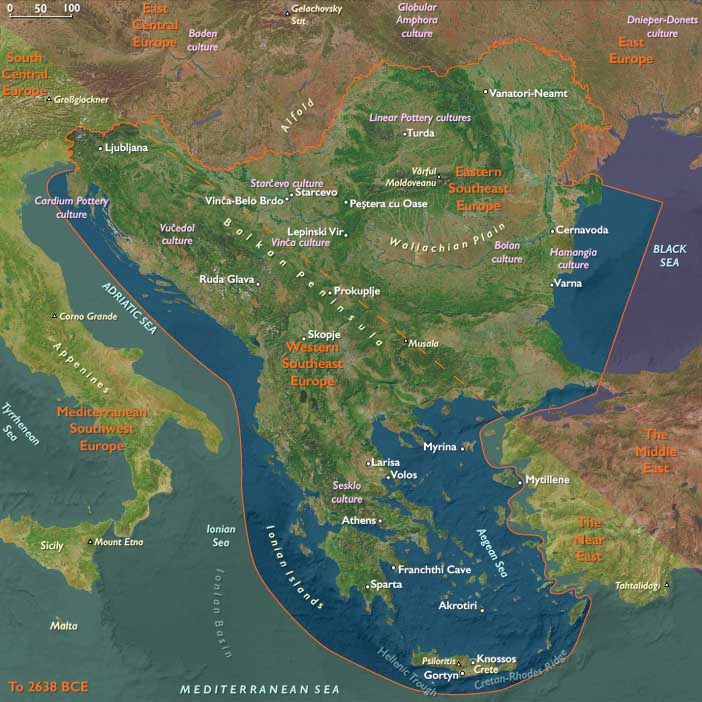
- Southeast Europe
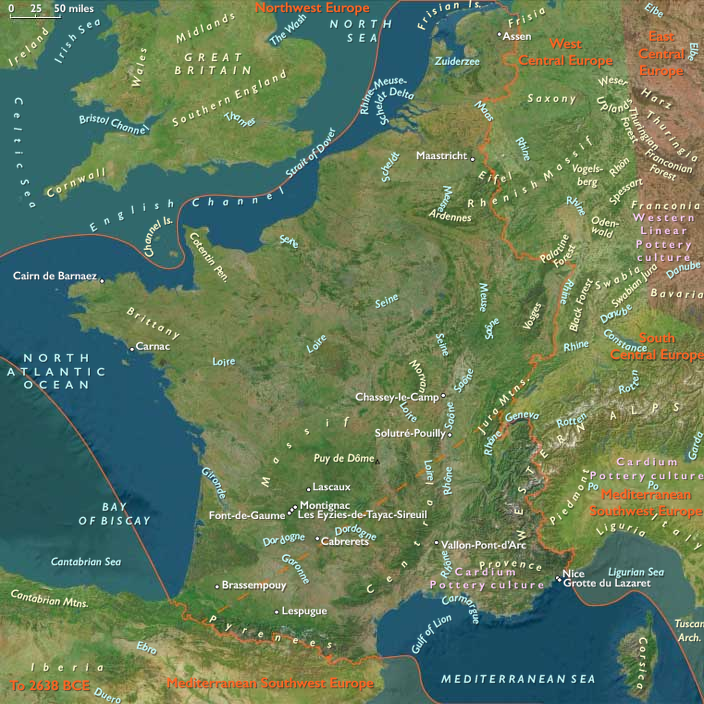
- West Europe
- Northeastern Eurasia
- North Africa
- Southwest Europe
- Northern North America
Subregions
- Central Asia
- East Europe
- Middle East
- Near East
- Mediterranean West Europe
- Mediterranean Southwest Europe
- North Africa
- Atlantic West Europe
- Northeastern North America
Related Events
Showing 10 events out of 69497 total
Years: 28557BCE - 26830BCE
Groups
Topics
Subjects
Regions
- Central Asia
- The Near and Middle East
- Southeast Europe
- West Europe
- Northeastern Eurasia
- North Africa
- Southwest Europe
- Northern North America
Subregions
- Central Asia
- East Europe
- Middle East
- Near East
- Mediterranean West Europe
- Mediterranean Southwest Europe
- North Africa
- Atlantic West Europe
- Northeastern North America