
The Russo-Polish border has remained relatively quiet …
Years: 1614 - 1614
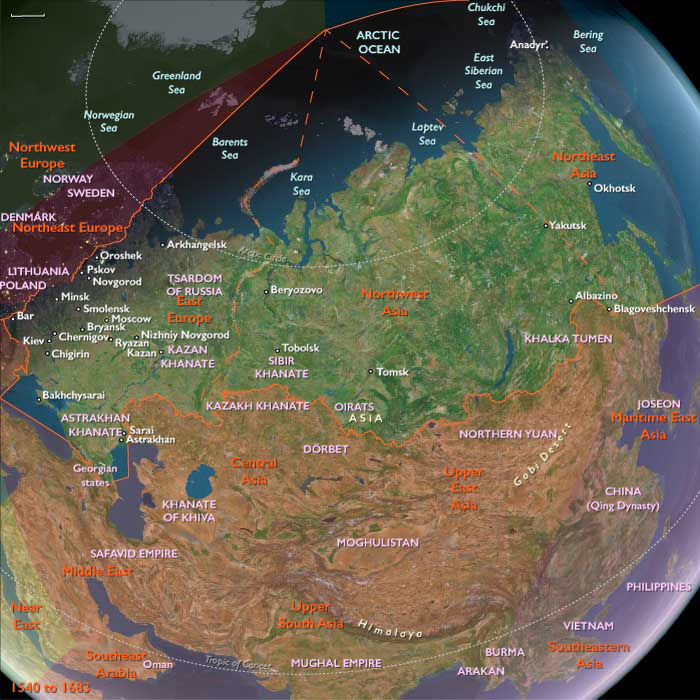
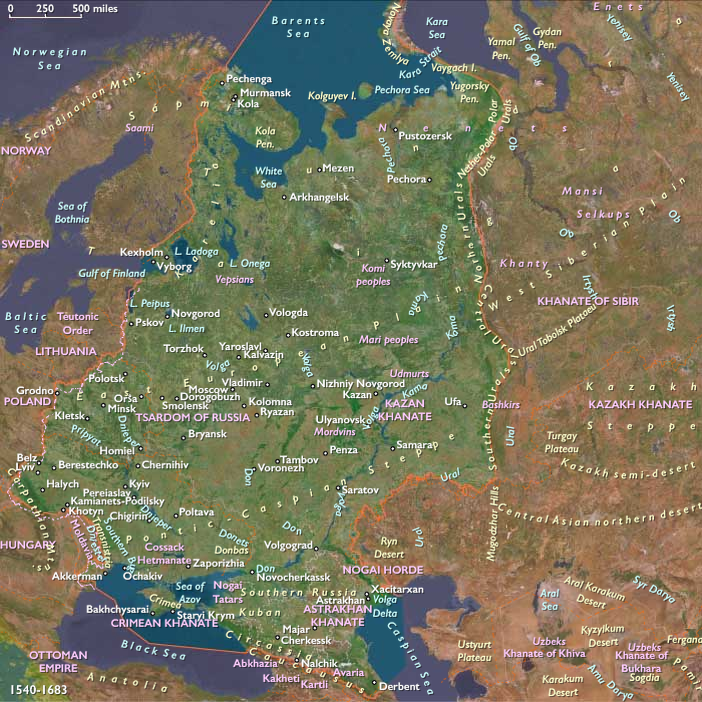
The Russo-Polish border has remained relatively quiet since the fall of Smolensk to the Commonwealth forces in 1611, but no official treaty has yet been signed.
Sigismund, criticized by the Sejm (the Polish parliament made up of the szlachta, who are always reluctant to levy taxes upon themselves to pay for any military force) for his failure to keep Moscow, receives little funding for the army.
This leads to a mutiny of the Polish regular army (wojsko kwarciane), or rather to the specific semi-legal form of mutiny practiced in the Commonwealth: a konfederacja (confederation).
The resulting konfederacja rohaczewska is considered the largest and most vicious of the soldiers' konfederacja's in the history of the Commonwealth, and it has pillaged Commonwealth territories from 1612 until the most rebellious of the konfederate's are defeated on May 17, 1614 at the Battle of Rohatyn, whereupon the rest receive their wages.
The leader of the konfederacja, Jan Karwacki, is captured and sent in chains by the future hetman Stanisław Koniecpolski to his mentor, hetman Żółkiewski, and later executed in Lwów.
The Ottoman Empire further criticizes Sigismund because the Cossacks in the Ukraine once again have begun to make unsanctioned raids into Turkish territory.
Thus, Poland-Lithuania gets no support from the Ottoman Empire in its war against Russia.
Locations
People
Groups
Topics
Commodoties
Subjects
Regions
Subregions
Years: 1614 - 1614
Locations
People
Groups
Topics
Commodoties
Subjects
Regions
Subregions