
Filters:
The Ottoman vizier Cenaze Hasan Pasha, vowing …
Years: 1789 - 1789
September
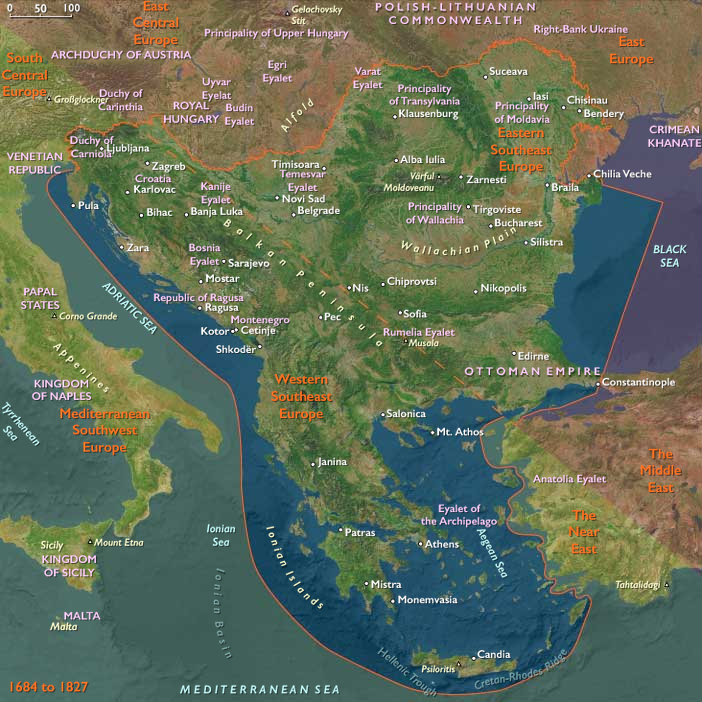
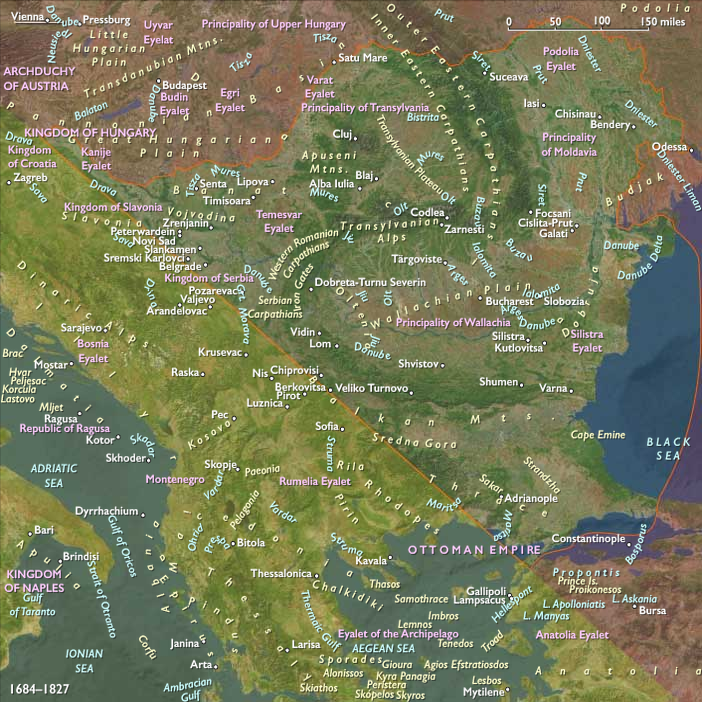
The Ottoman vizier Cenaze Hasan Pasha, vowing revenge for their forces' defeat at Focșani, raises an army of more than one hundrerd thousand soldiers, mostly Janissaries, in September to defeat the combined Austro-Russian armies under generals Alexander Suvorov of Russia and Prince Josias of Coburg.
Sending his troops into a grueling night march, Pasha then attacks the eighteen thousand-strong Austrian detachment.
Taking into account Josias's numbers and their poor performance in the war, specifically after the Battle of Karánsebes, the Pasha is convinced that he can defeat this force easily.
Once Suvorov hears of this, however, he and his seven thousand-strong force march to their aid, covering about one hundred kilometers in two and a half days, arriving on the eve of the battle.
As the commander-in-chief of all Russo-Austrian forces in the front, he quickly takes command of the combined Austro-Russian army.
Sending his troops into a grueling night march, Pasha then attacks the eighteen thousand-strong Austrian detachment.
Taking into account Josias's numbers and their poor performance in the war, specifically after the Battle of Karánsebes, the Pasha is convinced that he can defeat this force easily.
Once Suvorov hears of this, however, he and his seven thousand-strong force march to their aid, covering about one hundred kilometers in two and a half days, arriving on the eve of the battle.
As the commander-in-chief of all Russo-Austrian forces in the front, he quickly takes command of the combined Austro-Russian army.
Locations
People
Groups
- Germans
- Romanians
- Austria, Archduchy of
- Russians (East Slavs)
- Ottoman Empire
- Turkish people
- Moldavia (Ottoman vassal), Principality of
- Russian Empire
Topics
Subjects
Regions
Subregions
Years: 1789 - 1789
September
Locations
People
Groups
- Germans
- Romanians
- Austria, Archduchy of
- Russians (East Slavs)
- Ottoman Empire
- Turkish people
- Moldavia (Ottoman vassal), Principality of
- Russian Empire
Topics
Subjects
Regions
Subregions