
Filters:
The Swedish plan is mostly based on …
Years: 1808 - 1808
February
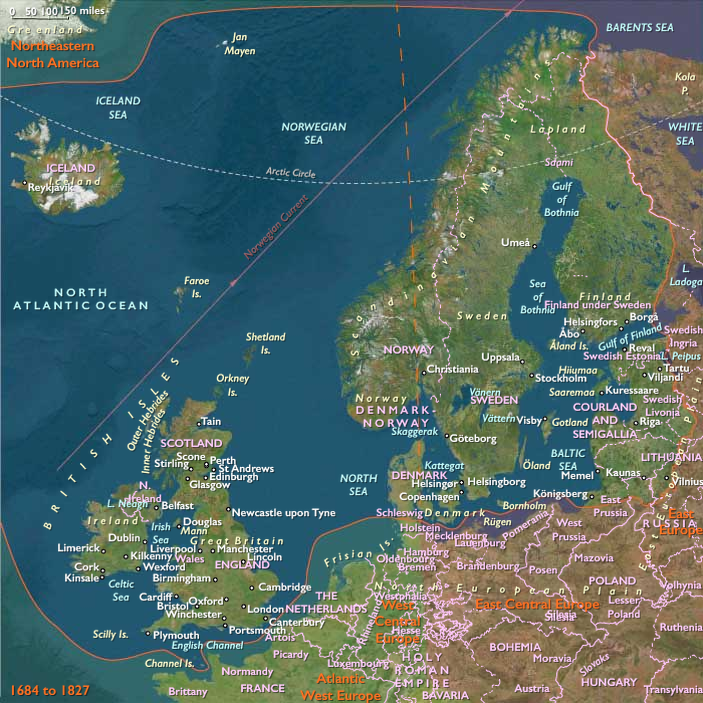
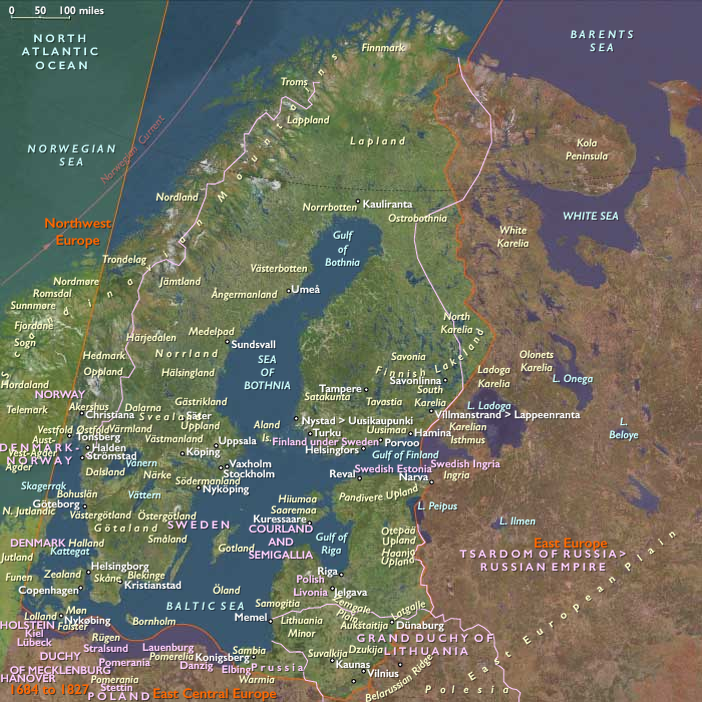
The Swedish plan is mostly based on passively defending and on holding on to the critical fortifications in southern Finland, then counterattacking with naval support in the spring and retaking the lost areas.
Some advocates for taking a more active approach include Lieutenant Colonel Samuel Möller, who advocates for taking an immediate offensive, and Gustaf Mauritz Armfelt, who supports actively delaying the advancing enemies in co-operation with the garrisons in the southern coast.
In the end, the instructions that the new Swedish commander in Finland, General Wilhelm Mauritz Klingspor, receives from the king are an unsuccessful and open-ended mixture of ideas from these very different plans.
Some advocates for taking a more active approach include Lieutenant Colonel Samuel Möller, who advocates for taking an immediate offensive, and Gustaf Mauritz Armfelt, who supports actively delaying the advancing enemies in co-operation with the garrisons in the southern coast.
In the end, the instructions that the new Swedish commander in Finland, General Wilhelm Mauritz Klingspor, receives from the king are an unsuccessful and open-ended mixture of ideas from these very different plans.
People
Groups
- Sweden, (second) Kingdom of
- Denmark-Norway, Kingdom of
- Finland, (Swedish) Grand Duchy of
- Norway, dependent Danish kingdom of
- Russian Empire
- Britain (United Kingdom of Great Britain and Ireland)
- France, (first) Empire of
Topics
Subjects
Regions
Subregions
Years: 1808 - 1808
February
People
Groups
- Sweden, (second) Kingdom of
- Denmark-Norway, Kingdom of
- Finland, (Swedish) Grand Duchy of
- Norway, dependent Danish kingdom of
- Russian Empire
- Britain (United Kingdom of Great Britain and Ireland)
- France, (first) Empire of
Topics
Subjects
Regions
Subregions