
The Romans finally defeat the invading Goths …
Years: 248 - 248
The Romans finally defeat the invading Goths in 248 after undertaking a series of campaigns against these and other tribes on the Danube, but the legions are not satisfied with the result, probably due to a low share of the plunder, if any.
Rebellion soon arises and Tiberius Claudius Pacatianus is proclaimed emperor by the troops.
He is known from coins, and from mentions in Zosimus and Zonaras, who say that he was an officer in one of the Danube legions.
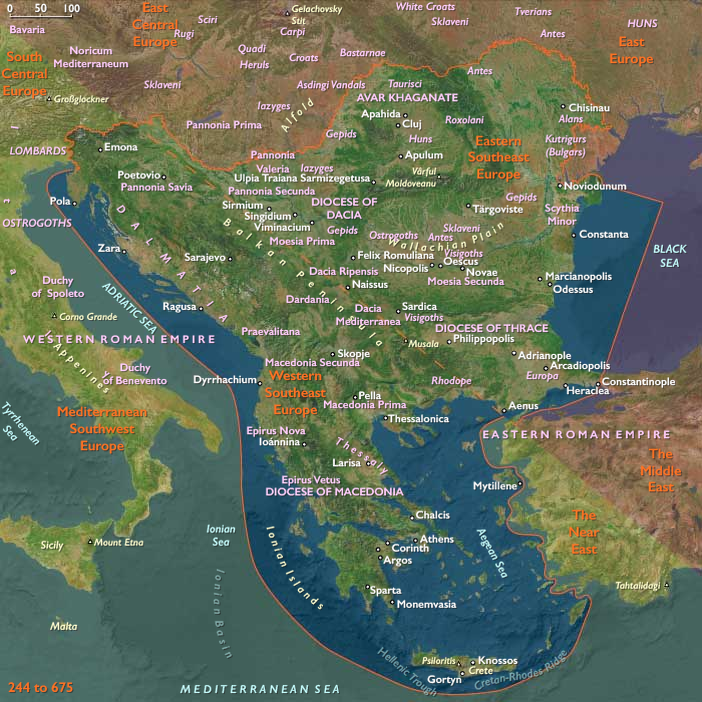
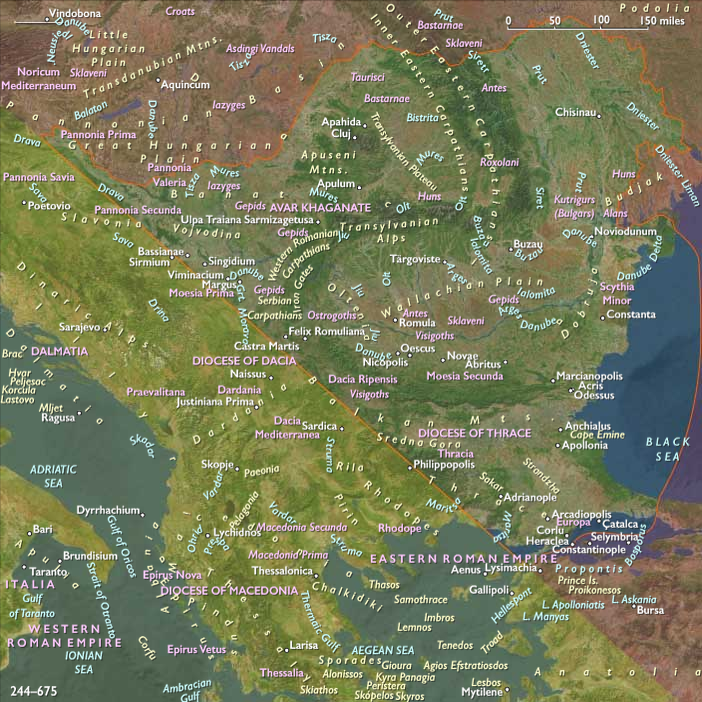
According to Zosimus, the revolts of Pacatianus in Moesia (he probably controlled Viminacium) and Iotapianus in Syria prompted Philip to make an offer to the Roman Senate to step down, but the senator Gaius Messius Quintus Decius (who was sent by Philip to deal with the rebellion), correctly predicted that Pacatianus the Great would soon be killed by his own men before his own arrival.
After crushing the uprising, Philip nominates Decius as governor of the province, which future events will prove to be a mistake, at least where Philip is concerned.
Pacatianus's revolt had not been the only threat to Philip’s rule: in the East, Marcus Iotapianus had led another uprising in response to the oppressive rule of Priscus and the excessive taxation of the Eastern provinces.
Two other usurpers, Marcus Silbannacus and Sponsianus, are reported to have started rebellions without much success.
Locations
People
- Decius
- Jotapianus
- Pacatianus
- Philip the Arab (Marcus Julius Philippus Augustus)
- Silbannacus
- Sponsianus
- Titus Julius Priscus
Groups
- Moesia Superior (Roman province)
- Syria Palæstina, Roman province of (Judea, Samaria, and Idumea)
- Roman Empire (Rome): Non-dynastic
- Thervingi (East Germanic tribe)
Topics
- Classical antiquity
- Portraits, Classical
- Roman art
- Roman Age Optimum
- Crisis of the Third Century (Roman Civil “War” of 235-84)
Commodoties
Subjects
Regions
Subregions
Related Events
Showing 10 events out of 60402 total
Years: 248 - 248
Locations
People
- Decius
- Jotapianus
- Pacatianus
- Philip the Arab (Marcus Julius Philippus Augustus)
- Silbannacus
- Sponsianus
- Titus Julius Priscus
Groups
- Moesia Superior (Roman province)
- Syria Palæstina, Roman province of (Judea, Samaria, and Idumea)
- Roman Empire (Rome): Non-dynastic
- Thervingi (East Germanic tribe)
Topics
- Classical antiquity
- Portraits, Classical
- Roman art
- Roman Age Optimum
- Crisis of the Third Century (Roman Civil “War” of 235-84)
Commodoties
Subjects
Regions
Subregions