
The Decline of the Roman Empire …
Years: 400 - 411
The Decline of the Roman Empire
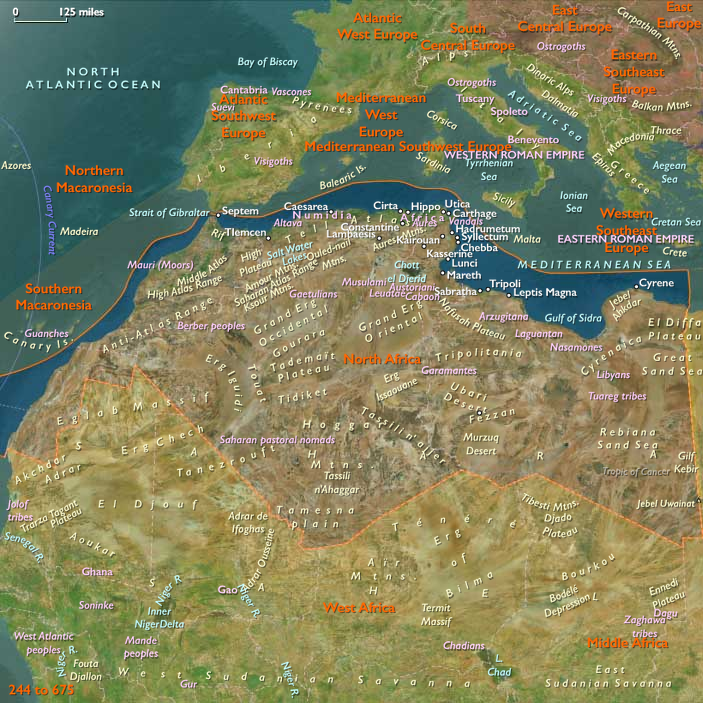
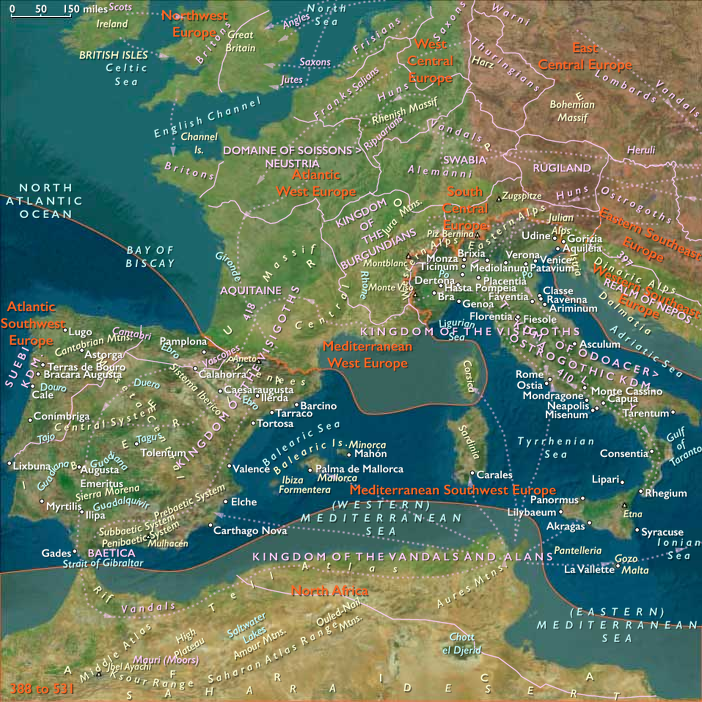
By the late fourth and early fifth centuries, the Roman Empire stands in a state of terminal decline. The division of the empire into eastern and western halves in 395 CE—formalized upon the death of Theodosius I—has only deepened internal political strife, weakening Rome’s ability to resist barbarian incursions along the Danube and even into Italy itself.
The Strength of the East vs. the Weakness of the West
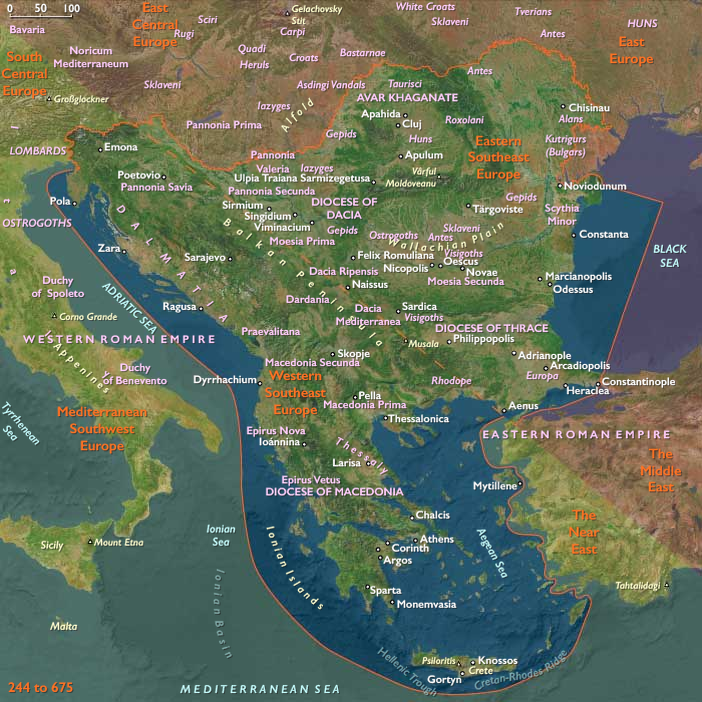
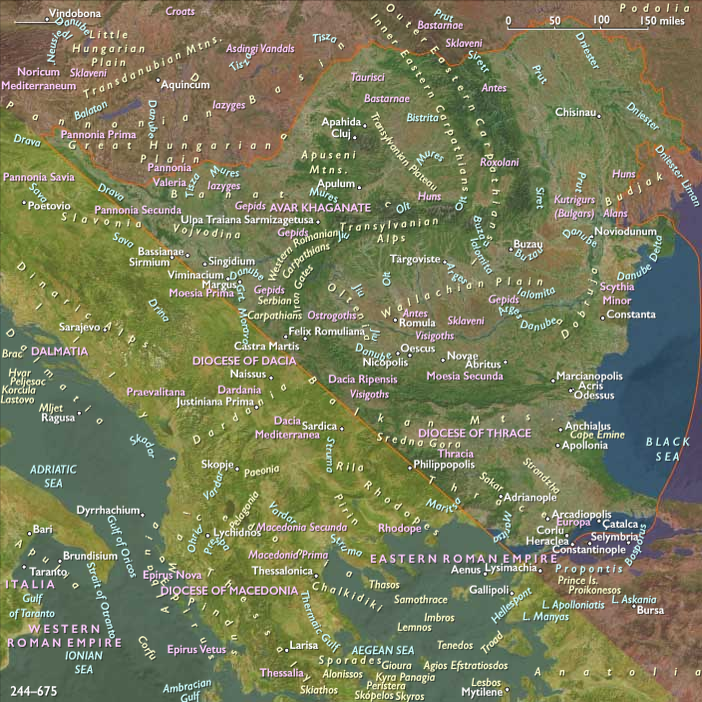
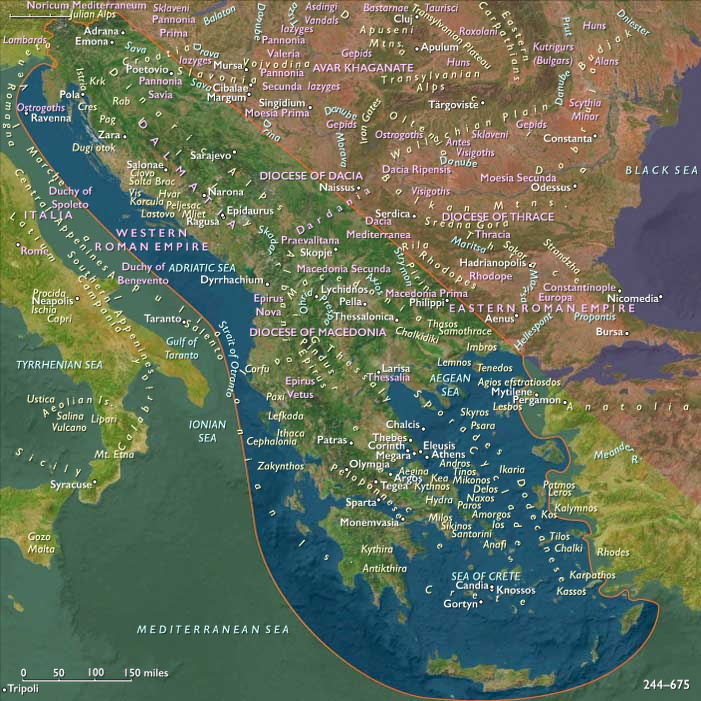
While Germanic tribes break through into the Balkans, they fail to establish permanent settlements there. The Eastern Roman emperors, prioritizing the defense of Constantinople, actively push these tribes westward, forcing them deeper into the Western Empire and exacerbating instability.
Despite political challenges, the Eastern Empire maintains relative stability and prosperity. Constantinople, benefiting from its Greek cultural heritage, emerges as the dominant symbol of civilization in the East. For much of its population—already accustomed to Greek language and traditions—the shift from a Latin Roman Empire to a more Hellenized Byzantine identity is seamless.
By contrast, the Western Empire is crumbling. Repeated barbarian invasions, coupled with rural depopulation, have crippled its economy and defenses. By 400 CE, many tenant farmers have been reduced to a serf-like status, bound to the land by economic necessity and social rigidity. Meanwhile, the Eastern Empire, benefiting from lucrative trade in spices, silk, and luxury goods, remains wealthy and resilient.
The Germanization of Rome
The progressive Germanization of the empire, particularly within the Roman army, is nearly complete. The Goths, like most Germanic tribes—with the notable exception of the Franks and Lombards—have converted to Arian Christianity, a doctrine the Catholic (Orthodox) Romans regard as dangerous heresy.
However, the Roman senatorial aristocracy, largely pacifist and still clinging to its classical traditions, views the warlike Germanic customs with suspicion and hostility. This growing resentment against Germanic leaders in high office fuels political instability in both the Eastern and Western Empires, leading to factionalism and periodic violence.
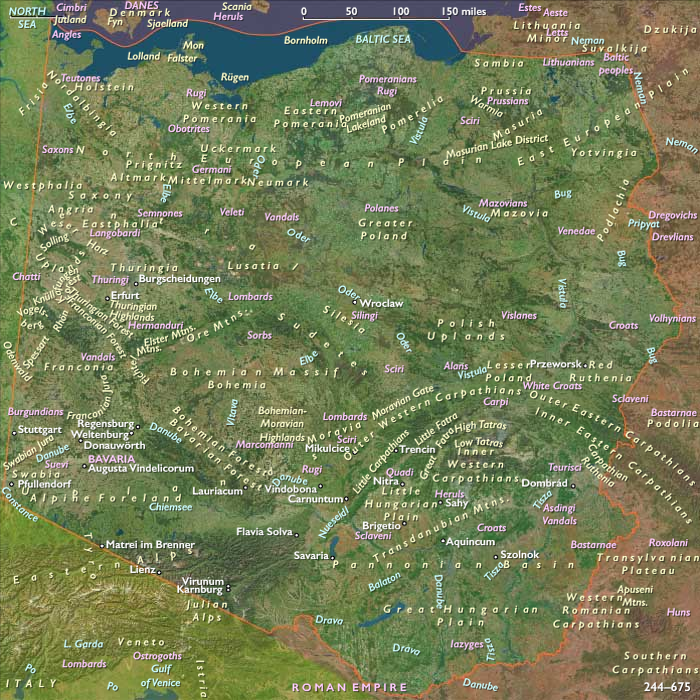
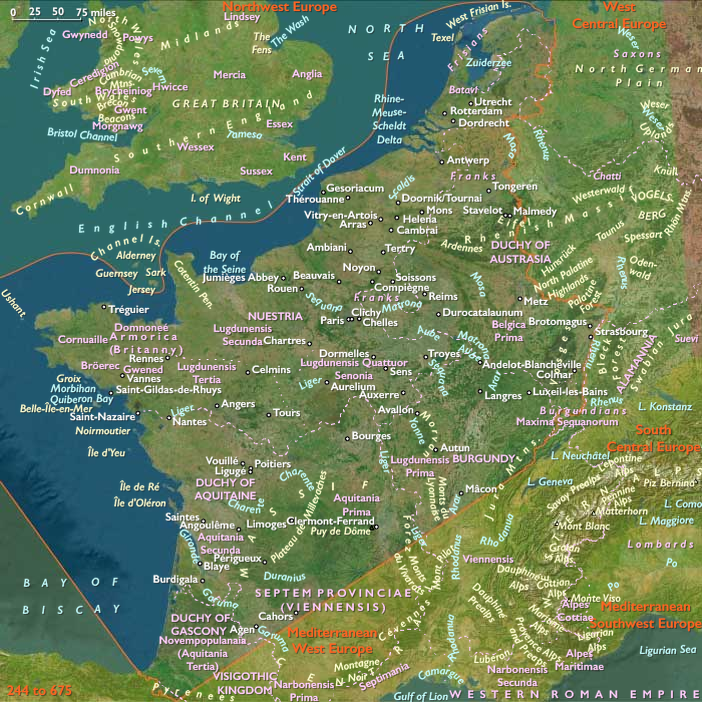
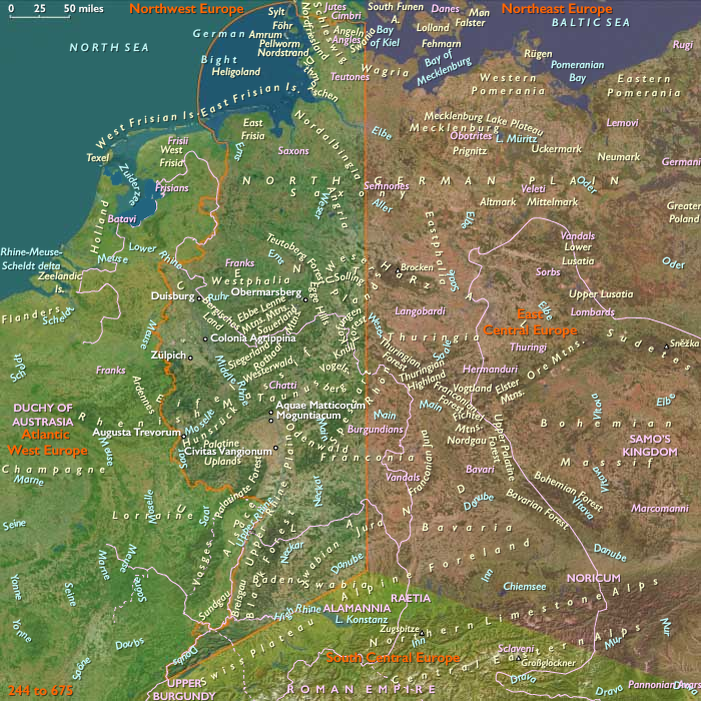
Yet, despite the tensions, Rome relies on Germanic tribes to defend its imperial frontiers. The Franks, for instance, are settled in Toxandria (modern Brabant) and tasked with guarding the empire’s northern borders—a foreshadowing of their future role as rulers of post-Roman Gaul.
The Weakness of the Western Emperor
The reigning Western Roman emperor, an inexperienced and feeble ruler, has inherited the throne from his father but lacks military expertise. His shortsighted political interventions and inability to command armies only deepen the empire’s crises, as generals struggle to hold the frontiers against an unrelenting tide of barbarian invasions.
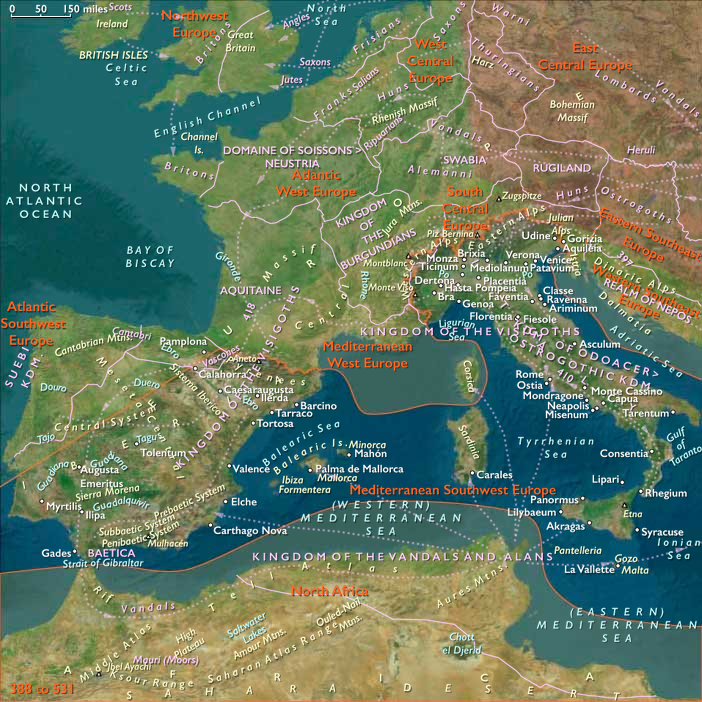
Fearing a direct assault on Rome, he relocates the imperial court from Rome to Ravenna, a more defensible stronghold surrounded by marshlands and the sea. From his new capital, he watches as loyal generals suppress usurpers and internal revolts, rather than leading the defense himself.
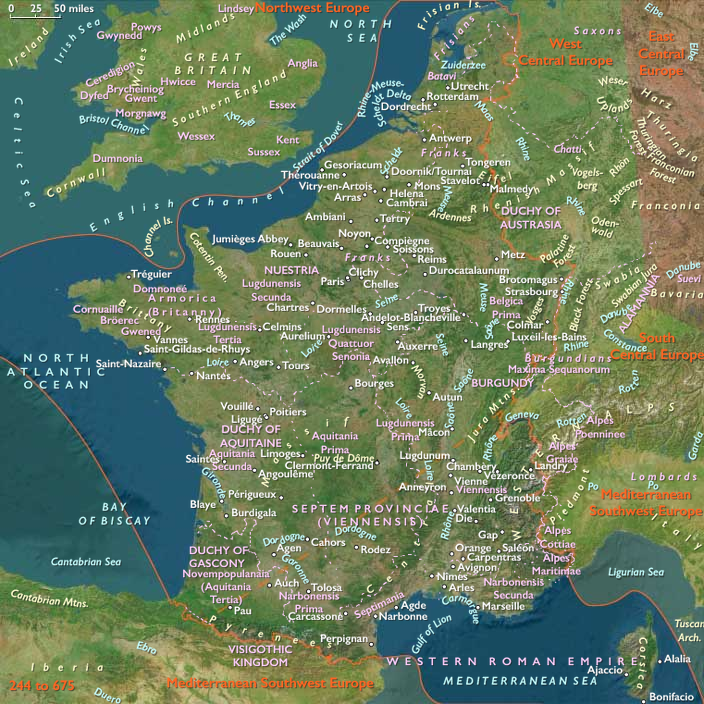
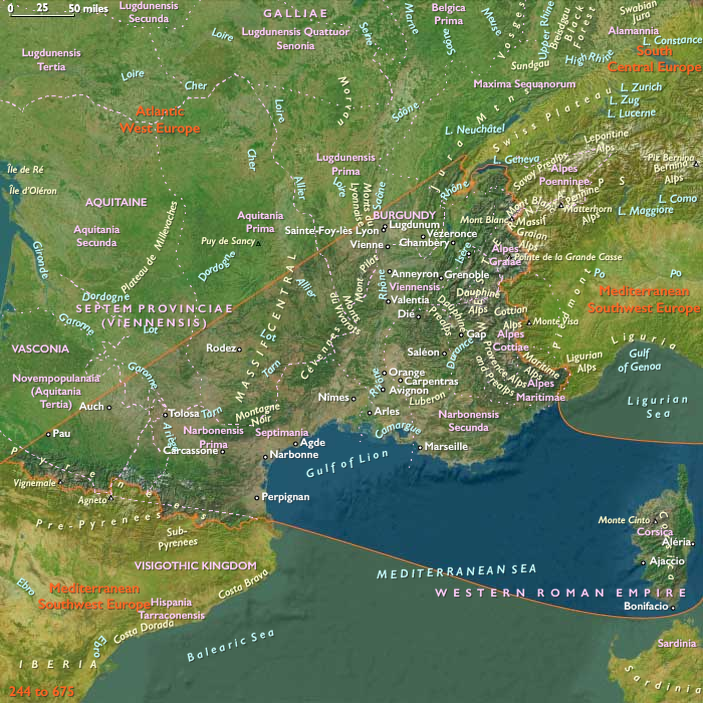
Meanwhile, the Rhine frontier deteriorates, and the administrative center of Gaul is moved from Trier to Arelate(modern Arles), leaving the northern provinces increasingly vulnerable to Germanic incursions. The combination of military neglect, civil war, and external invasions accelerates the collapse of the Western Roman Empire, setting the stage for the fall of Rome itself in 476 CE.
People
Groups
- Greeks, Hellenistic
- Franks
- Hasdingi
- Alans (Sarmatian tribal grouping)
- Vandals (East Germanic tribe)
- Silingi (East Germanic tribe)
- Goths (East Germanic tribe)
- Suebi (Suevi), Realms of the
- Huns
- Burgundians (East Germanic tribe)
- East, or Oriens, Praetorian prefecture of
- Italy, Praetorian prefecture of
- Illyricum, Praetorian prefecture of
- Roman Empire: Theodosian dynasty (Constantinople)
- Visigoths, Realm of the
- Gaul, Praetorian prefecture of
- Roman Empire, Western (Milan)
- Roman Empire, Western (Ravenna)
- Suebic Kingdom of Galicia
- Burgundians, (first) Kingdom of the
Topics
- Middle Subatlantic Period
- Late Antiquity
- Migration Period
- Civil Wars in China triggered by the Wu Hu Invasion
- Gupta Dynasty, Conquests of the
- Hun Raids on the Roman Empire
- Fall of the Western Roman Empire
- Stilicho's Wars with the Visigoths
- Irish Raids in Britain
- Famines and plagues 400 to 800
- Gothic War (402-403)
- Vandal Raids on the Roman Empire
- Crossing of the Rhine
- Visigothic Raids on the Roman Empire, Later
- Rome, Visigothic Sack of
- Anglo-Saxon settlement of Britain
Commodoties
Subjects
- Commerce
- Language
- Environment
- Labor and Service
- Conflict
- Mayhem
- Faith
- Government
- Technology
- Movements
Regions
Subregions
- East Central Europe
- Eastern Southeast Europe
- Middle East
- Near East
- Western Southeast Europe
- South Central Europe
- Mediterranean West Europe
- Mediterranean Southwest Europe
- Atlantic Southwest Europe
- Atlantic West Europe
- West Central Europe
Years: 400 - 411
People
Groups
- Greeks, Hellenistic
- Franks
- Hasdingi
- Alans (Sarmatian tribal grouping)
- Vandals (East Germanic tribe)
- Silingi (East Germanic tribe)
- Goths (East Germanic tribe)
- Suebi (Suevi), Realms of the
- Huns
- Burgundians (East Germanic tribe)
- East, or Oriens, Praetorian prefecture of
- Italy, Praetorian prefecture of
- Illyricum, Praetorian prefecture of
- Roman Empire: Theodosian dynasty (Constantinople)
- Visigoths, Realm of the
- Gaul, Praetorian prefecture of
- Roman Empire, Western (Milan)
- Roman Empire, Western (Ravenna)
- Suebic Kingdom of Galicia
- Burgundians, (first) Kingdom of the
Topics
- Middle Subatlantic Period
- Late Antiquity
- Migration Period
- Civil Wars in China triggered by the Wu Hu Invasion
- Gupta Dynasty, Conquests of the
- Hun Raids on the Roman Empire
- Fall of the Western Roman Empire
- Stilicho's Wars with the Visigoths
- Irish Raids in Britain
- Famines and plagues 400 to 800
- Gothic War (402-403)
- Vandal Raids on the Roman Empire
- Crossing of the Rhine
- Visigothic Raids on the Roman Empire, Later
- Rome, Visigothic Sack of
- Anglo-Saxon settlement of Britain
Commodoties
Subjects
- Commerce
- Language
- Environment
- Labor and Service
- Conflict
- Mayhem
- Faith
- Government
- Technology
- Movements
Regions
Subregions
- East Central Europe
- Eastern Southeast Europe
- Middle East
- Near East
- Western Southeast Europe
- South Central Europe
- Mediterranean West Europe
- Mediterranean Southwest Europe
- Atlantic Southwest Europe
- Atlantic West Europe
- West Central Europe