
The rise of Macedon from a small …
Years: 345BCE - 334BCE
The rise of Macedon from a small Greek kingdom at the periphery of Classical Greek affairs to one that will come to dominate the entire Hellenic world (and beyond) has occurred between 359 BCE and 336 BCE in the space of just twenty-five years.
This ascendancy is largely attributable to the personality and policies of Philip II.
When his son and successor Alexander is triumphantly campaigning in the north of Greece, a rumor of his death causes the Thebans and Athenians to rebel against Macedonian hegemony once more.
Alexander reacts immediately but, while the other cities hesitate when he advances into Greece, Thebes decides to resist with the utmost vigor.
However, the resistance is useless, and the city is captured and razed to the ground, and its territory is divided between the other Boeotian cities.
The fall of Thebes cows Athens into submission, and leaves all of Greece at least outwardly at peace with Alexander.
With Macedon's vassals and allies once again peaceable, Alexander is finally free to take control of his late father’s stalled war with Persia, and in early 334 BCE he crosses with an army of forty-two thousand men into Asia Minor.
People
Groups
- Thebes, City-State of
- Greece, classical
- Sparta, Kingdom of
- Corinth, City-State of
- Macedon, Argead Kingdom of
- Achaemenid, or First Persian, Empire
- Athens, City-State of
- Athenian Empire or Confederacy, Second
Topics
Subjects
Regions
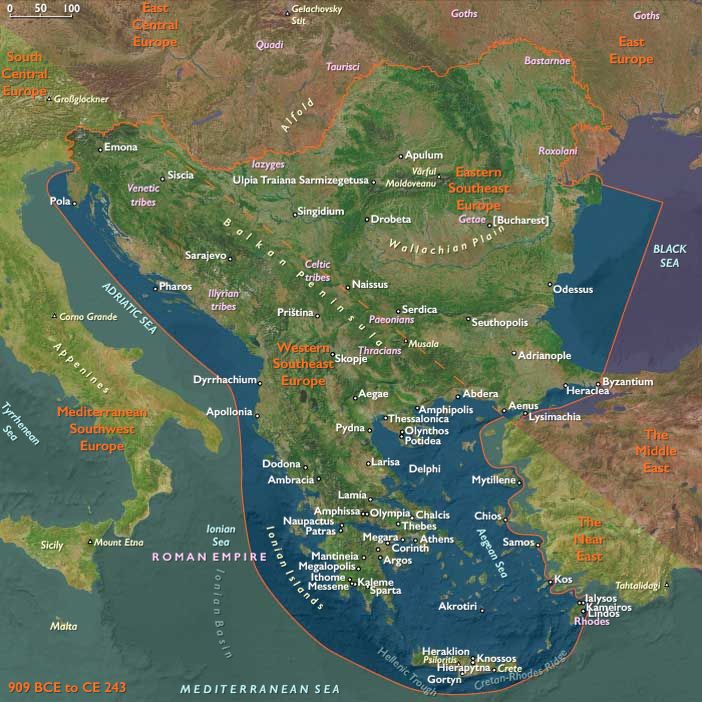
Subregions
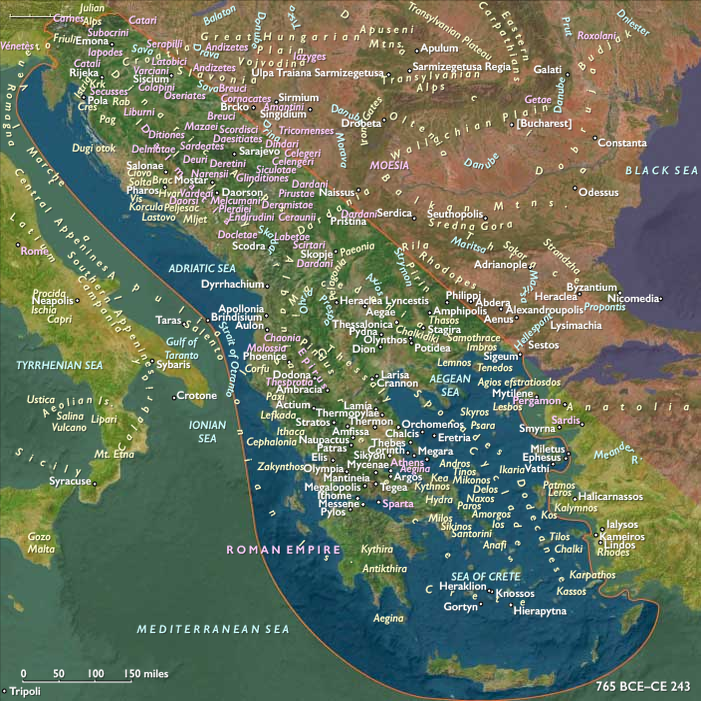
Related Events
Showing 10 events out of 64632 total
Years: 345BCE - 334BCE
People
Groups
- Thebes, City-State of
- Greece, classical
- Sparta, Kingdom of
- Corinth, City-State of
- Macedon, Argead Kingdom of
- Achaemenid, or First Persian, Empire
- Athens, City-State of
- Athenian Empire or Confederacy, Second
Topics
Subjects
Regions
Subregions