
The Revolt of the Batavi (69–70 CE): …
Years: 64 - 75
The Revolt of the Batavi (69–70 CE): A Germanic Uprising Against Rome
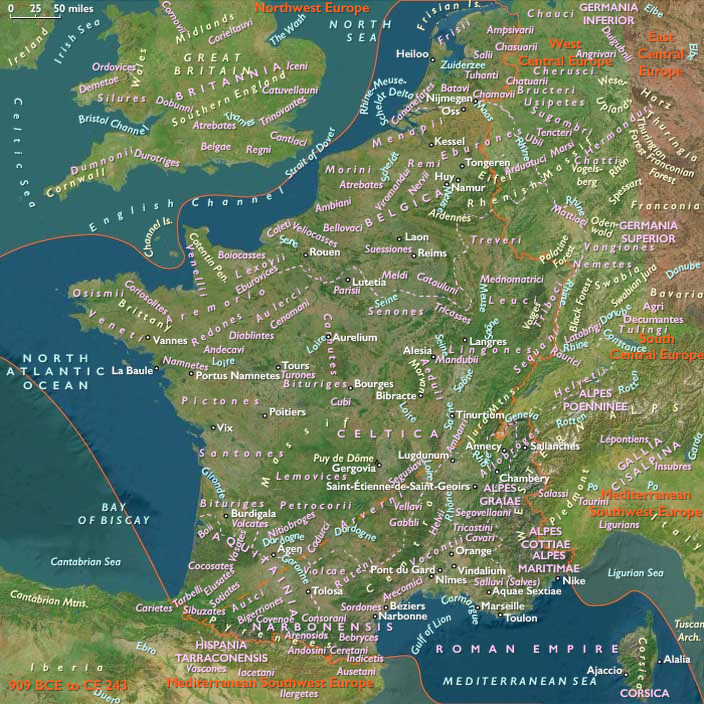
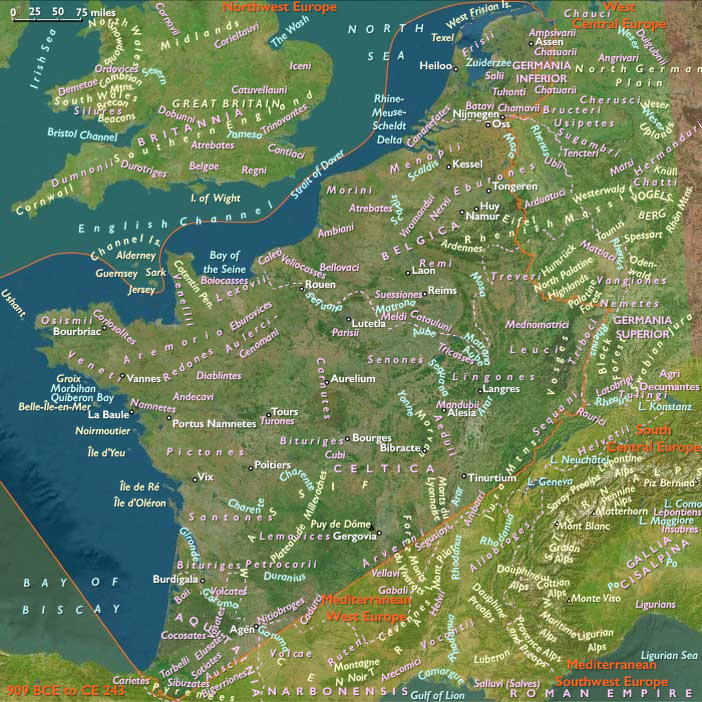
The Revolt of the Batavi (69–70 CE) was a major uprising against the Roman Empire, centered in the province of Germania Inferior (modern southern Netherlands and the North Rhineland). Led by Gaius Julius Civilis, a Batavian prince and former auxiliary officer, the revolt was one of the most serious challenges to Roman rule on the Rhine frontier, occurring during the chaos of the Year of the Four Emperors (69 CE).
Background: The Batavi and Rome
- The Batavi were a small but militarily powerful Germanic tribe, inhabiting the Rhine delta.
- They were allied with Rome, providing elite auxiliary cavalry for the Roman army.
- However, resentment grew over excessive taxation, forced levies, and mistreatment by Roman officials.
The Revolt Begins (69 CE)
- Civilis, a Batavian noble and former Roman officer, led the rebellion, capitalizing on Rome’s internal instability during the civil war between Vespasian and Vitellius.
- The revolt was initially successful, as the Batavi were joined by:
- Neighboring Germanic tribes from inside and outside the empire.
- Celtic tribes from Gallia Belgica, further expanding the rebellion.
Early Batavian Victories
- The rebels inflicted several humiliating defeats on Roman forces in the region.
- They destroyed two Roman legions, severely weakening Rome’s military presence along the Rhine.
- The rebellion threatened Roman control over Germania Inferior and northern Gaul, forcing Rome to divert resources to suppress the uprising.
Roman Counteroffensive and Defeat of the Rebels
- By 70 CE, with Vespasian securing his rule in Rome, he dispatched a massive Roman army under General Quintus Petillius Cerialis to crush the rebellion.
- The Romans launched a decisive counterattack, gradually defeating the rebels and retaking lost territory.
- After a series of engagements, the Batavi were forced to surrender.
Aftermath: Humiliating Peace Terms
- Following peace negotiations, the Batavi submitted to Rome once again, but under harsh conditions:
- A Roman legion was permanently stationed at Noviomagus (modern Nijmegen, Netherlands).
- The Batavi were forcibly reintegrated into the empire and remained under closer Roman control.
Significance of the Revolt
- The Batavian Revolt demonstrated the vulnerability of Rome’s frontier provinces during times of political instability.
- It marked one of the last major uprisings in the north before Rome secured its hold over Germania Inferior.
- The Batavi continued to serve as auxiliaries in the Roman army, but their political influence was significantly reduced.
Though ultimately unsuccessful, the Batavian Revolt remains one of the most significant challenges to Roman authority in the northern provinces, highlighting the limits of Roman control over its Germanic subjects.
People
Groups
- Celts
- Batavi (Germanic tribe)
- Germans
- Roman Empire (Rome): Julio-Claudian dynasty
- Roman Empire (Rome): Flavian dynasty
Topics
Subjects
Regions
Subregions
Related Events
Showing 10 events out of 61680 total
Years: 64 - 75
People
Groups
- Celts
- Batavi (Germanic tribe)
- Germans
- Roman Empire (Rome): Julio-Claudian dynasty
- Roman Empire (Rome): Flavian dynasty
Topics
Subjects
Regions
Subregions