
Large parts of Dagestan have been part …
Years: 1747 - 1747
Large parts of Dagestan have been part of the Iranian Safavid Empire since the sixteenth century.
Following the slow disintegration of the Safavid state at the beginning of the eighteenth century, there were uprisings in the Northeast Caucasus against the Persian rule.
The Russian and Ottoman Empire, both imperial rivals of the Persians, had exploited these.
Peter the Great declared war on Persia in 1722 and started the Russo-Persian War, in which the Russians for the first time make an expedition for the capture of Derbent and beyond down to the Caucasus.
During and before the occupation of Derbent by Peter I, the naib of city had been Imam Quli Khan and was naturally a Shiite like the rest of the Safavid Empire.
He offered the Russian emperor the keys to the city gates.
Peter I had reappointed Imam Quli Khan as the head of Derbent and its "native" troops by assigning him the rank of Major-General.
Following the Treaty of Saint Petersburg, the Safavid Shah Sultan Husayn, whose empire was for years already in disarray and crumbling, had in September 1723 been forced to cede Derbent alongside the many other Iranian territories in the Caucasus.
However, some years later in connection with the aggravation of Russian-Turkish relations, and the new rise of Persia now led by the brilliant military general Nader Shah, Russia had found itself forced to cede all territories back by March 1735 in the Treaty of Ganja in order to deter itself from a costly war against Persia, and to construct an alliance against the common neighboring foe; the Ottoman Empire.
Most of the other territories had already been given back in the Treaty of Resht in 1732 for similar reasons.
After the death of Nadir Shah in 1747 his huge empire disintegrates and the former Persian provinces in the Caucasus (Beylerbeyis) form two dozen semi-independent and dependent khanates, one of which is the Derbent Khanate.
Starting from 1747 with the title of Khan, the first ruler of the Derbent Khanate is the son of Imam Kuli Khan, Muhammad Hassan (also mentioned as Magomed-Hussein or Mohammed Hussein).
Following the slow disintegration of the Safavid state at the beginning of the eighteenth century, there were uprisings in the Northeast Caucasus against the Persian rule.
The Russian and Ottoman Empire, both imperial rivals of the Persians, had exploited these.
Peter the Great declared war on Persia in 1722 and started the Russo-Persian War, in which the Russians for the first time make an expedition for the capture of Derbent and beyond down to the Caucasus.
During and before the occupation of Derbent by Peter I, the naib of city had been Imam Quli Khan and was naturally a Shiite like the rest of the Safavid Empire.
He offered the Russian emperor the keys to the city gates.
Peter I had reappointed Imam Quli Khan as the head of Derbent and its "native" troops by assigning him the rank of Major-General.
Following the Treaty of Saint Petersburg, the Safavid Shah Sultan Husayn, whose empire was for years already in disarray and crumbling, had in September 1723 been forced to cede Derbent alongside the many other Iranian territories in the Caucasus.
However, some years later in connection with the aggravation of Russian-Turkish relations, and the new rise of Persia now led by the brilliant military general Nader Shah, Russia had found itself forced to cede all territories back by March 1735 in the Treaty of Ganja in order to deter itself from a costly war against Persia, and to construct an alliance against the common neighboring foe; the Ottoman Empire.
Most of the other territories had already been given back in the Treaty of Resht in 1732 for similar reasons.
After the death of Nadir Shah in 1747 his huge empire disintegrates and the former Persian provinces in the Caucasus (Beylerbeyis) form two dozen semi-independent and dependent khanates, one of which is the Derbent Khanate.
Starting from 1747 with the title of Khan, the first ruler of the Derbent Khanate is the son of Imam Kuli Khan, Muhammad Hassan (also mentioned as Magomed-Hussein or Mohammed Hussein).
Locations
People
- Adil Shah
- Azad Khan Afghan
- Ebrahim Afshar
- Haji Chalabi Khan
- Heraclius II of Georgia
- Teimuraz II of Kakheti
Groups
- Georgians
- Persian people
- Kurdish people
- Azerbaijani people (Azeris)
- Yazidi
- Uzbeks
- Qajars (Turkic Oghuz tribe)
- Ottoman Empire
- Turkish people
- Kakheti, Kingdom of
- Kartli, Kingdom of
- Karakalpaks, or Qaraqalpaqs
- Khiva, Khanate of (Khwarezm)
- Bukhara, (Astrakhanid) Khanate of
- Persia, Afsharid Kingdom of
- Derbent Khanate
Topics
Commodoties
Subjects
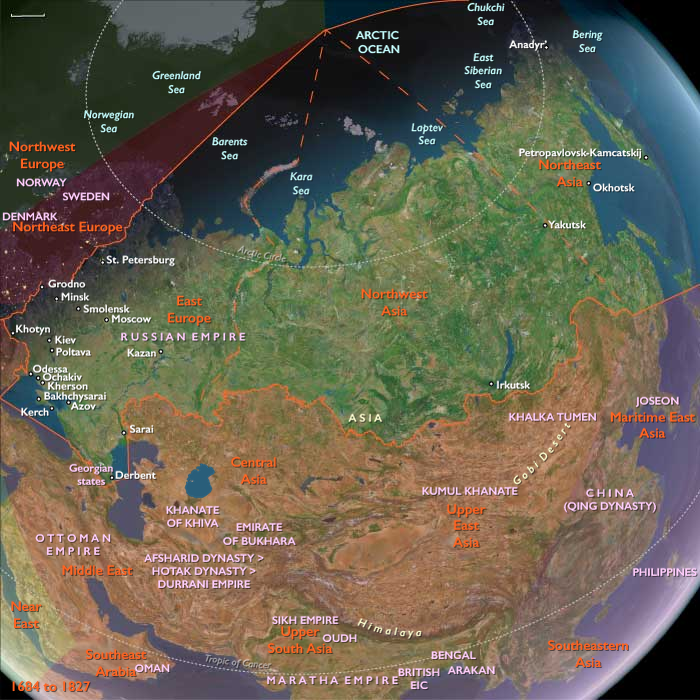
Regions
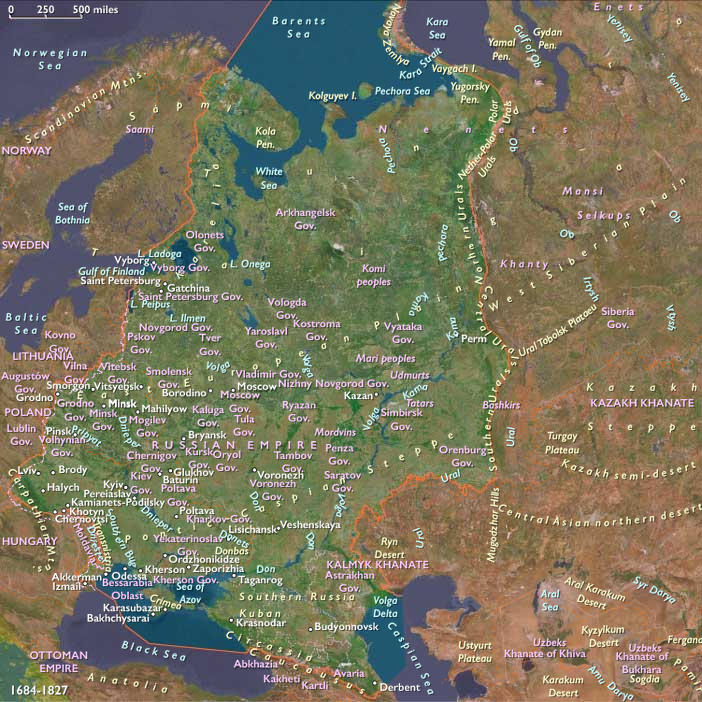
Subregions
Related Events
Showing 10 events out of 27058 total
Years: 1747 - 1747
Locations
People
- Adil Shah
- Azad Khan Afghan
- Ebrahim Afshar
- Haji Chalabi Khan
- Heraclius II of Georgia
- Teimuraz II of Kakheti
Groups
- Georgians
- Persian people
- Kurdish people
- Azerbaijani people (Azeris)
- Yazidi
- Uzbeks
- Qajars (Turkic Oghuz tribe)
- Ottoman Empire
- Turkish people
- Kakheti, Kingdom of
- Kartli, Kingdom of
- Karakalpaks, or Qaraqalpaqs
- Khiva, Khanate of (Khwarezm)
- Bukhara, (Astrakhanid) Khanate of
- Persia, Afsharid Kingdom of
- Derbent Khanate
Topics
Commodoties
Subjects
Regions
Subregions