
Filters:
Mentewab's attempt to strengthen ties between the …
Years: 1756 - 1767
Mentewab's attempt to strengthen ties between the monarchy and the Oromo by arranging the marriage of her son to the daughter of an Oromo chieftain from Yejju backfire in the long run.
Her attempt to continue in this role after the death of her son Iyasu II (1755) into the reign of her grandson Iyoas (r. 1755–1769) brings her into conflict with Wubit (Welete Bersabe), Iyasu's widow, who believes that it is her turn to serve as regent.
When Iyoas assumed the throne upon his father's sudden death, the aristocrats of Gondar had been stunned to find that he preferred to speak in the Oromo language rather than in Amharic, and favored his mother's Yejju relatives over the Qwarans of his grandmothers family.
Iyoas further increases the favor given to the Oromo when adult.
On the death of the Ras of Amhara, he attempts to promote his uncle Lubo governor of that province, but the outcry leads his adviser Wolde Leul to convince him to change his mind.
The conflict between these two queens leads to Mentewab summoning her relatives with their armed supporters from Qwara to Gondar to support her.
Wubit responds by summoning her own Oromo relatives and their considerable forces from Yejju.
Fearing that the power struggle between the Qwarans and the Yejju led by the Emperor's mother Wubit will erupt into an armed conflict, the nobility summon the powerful Ras Mikael Sehul to mediate between the two camps.
He arrives and shrewdly maneuvers to sideline the two queens and their supporters, making a bid for power for himself.
Mikael soon settles in as the leader of Amharic-Tigrean (Christian) camp of the struggle.
Her attempt to continue in this role after the death of her son Iyasu II (1755) into the reign of her grandson Iyoas (r. 1755–1769) brings her into conflict with Wubit (Welete Bersabe), Iyasu's widow, who believes that it is her turn to serve as regent.
When Iyoas assumed the throne upon his father's sudden death, the aristocrats of Gondar had been stunned to find that he preferred to speak in the Oromo language rather than in Amharic, and favored his mother's Yejju relatives over the Qwarans of his grandmothers family.
Iyoas further increases the favor given to the Oromo when adult.
On the death of the Ras of Amhara, he attempts to promote his uncle Lubo governor of that province, but the outcry leads his adviser Wolde Leul to convince him to change his mind.
The conflict between these two queens leads to Mentewab summoning her relatives with their armed supporters from Qwara to Gondar to support her.
Wubit responds by summoning her own Oromo relatives and their considerable forces from Yejju.
Fearing that the power struggle between the Qwarans and the Yejju led by the Emperor's mother Wubit will erupt into an armed conflict, the nobility summon the powerful Ras Mikael Sehul to mediate between the two camps.
He arrives and shrewdly maneuvers to sideline the two queens and their supporters, making a bid for power for himself.
Mikael soon settles in as the leader of Amharic-Tigrean (Christian) camp of the struggle.
Locations
People
Groups
- Egyptians
- Somalis
- Tigray-Tigrinya people
- Sidama people
- Agaw people
- Oromo people
- Islam
- Amhara people
- Afar people
- Ethiopia, Solomonid Dynasty of
Topics
- Sub-Saharan Africa, Medieval
- Interaction with Subsaharan Africa, Early European
- Zemene Mesafint (Ethiopia's "Age of Princes")
Subjects
Regions
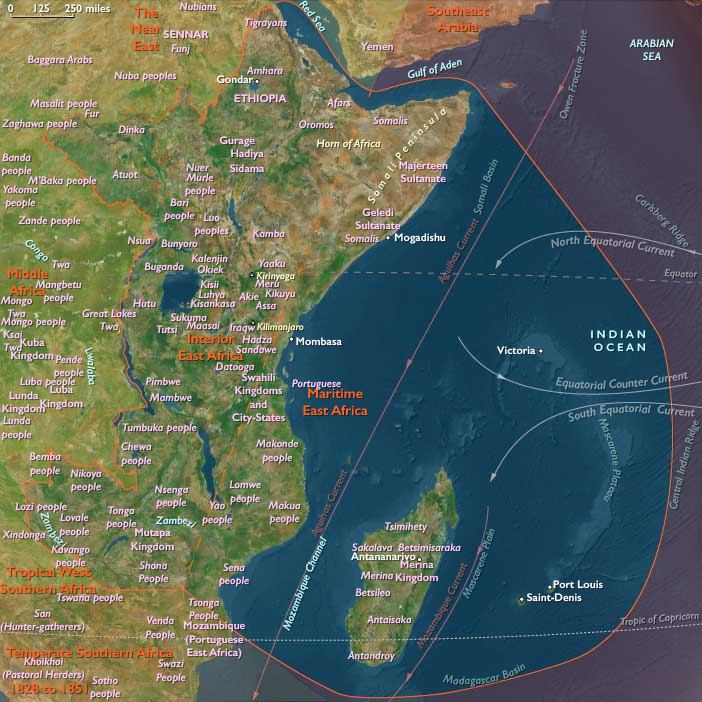
Subregions
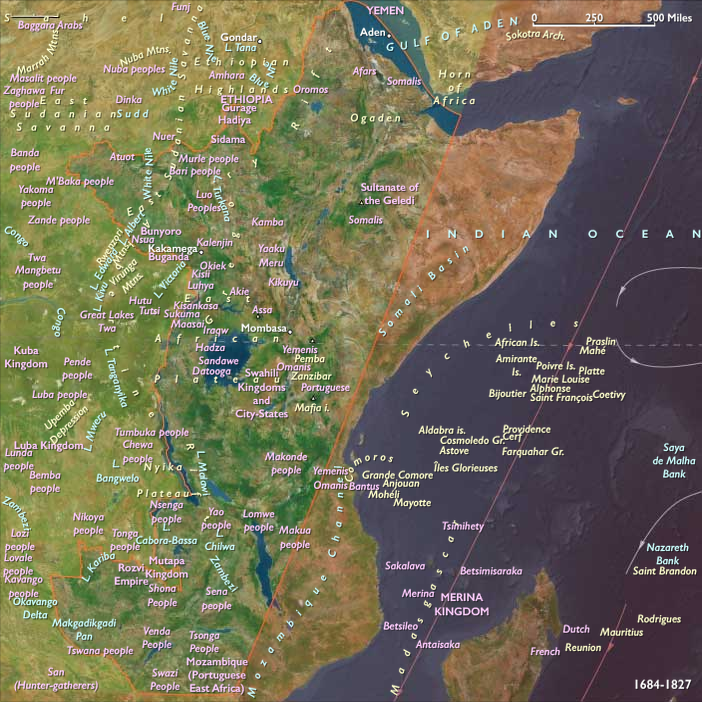
Years: 1756 - 1767
Locations
People
Groups
- Egyptians
- Somalis
- Tigray-Tigrinya people
- Sidama people
- Agaw people
- Oromo people
- Islam
- Amhara people
- Afar people
- Ethiopia, Solomonid Dynasty of
Topics
- Sub-Saharan Africa, Medieval
- Interaction with Subsaharan Africa, Early European
- Zemene Mesafint (Ethiopia's "Age of Princes")
Subjects
Regions
Subregions