
The reforms of Jan Hus, which had …
Years: 1549 - 1549
The reforms of Jan Hus, which had included providing the Scriptures to the people in their own language, and that both elements of communion should be available to the people, had been popular with the Czech people, but had met extreme opposition from church authorities.
Hus had been executed in 1415, but his teachings led to the formation of the Hussite movement.
One of the later branches of the Hussitism is the Unity of the Brethren.
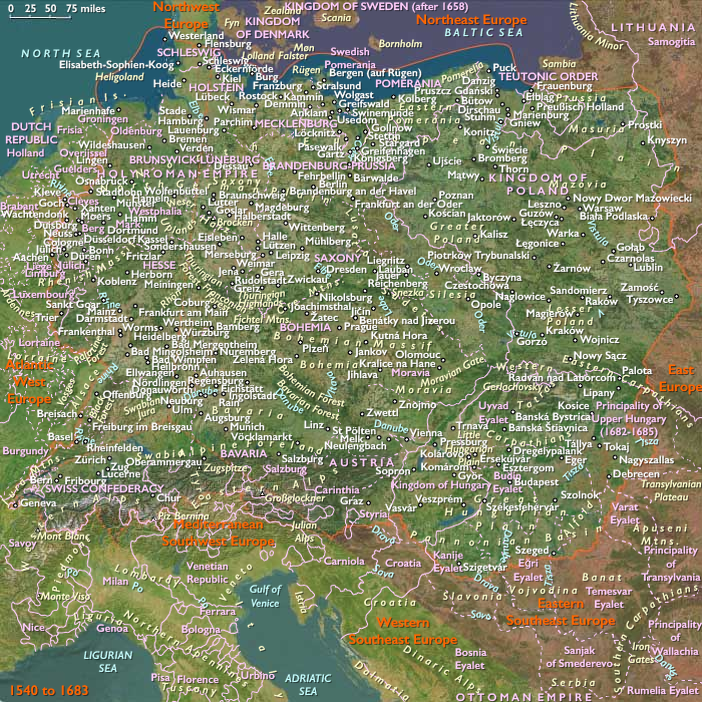
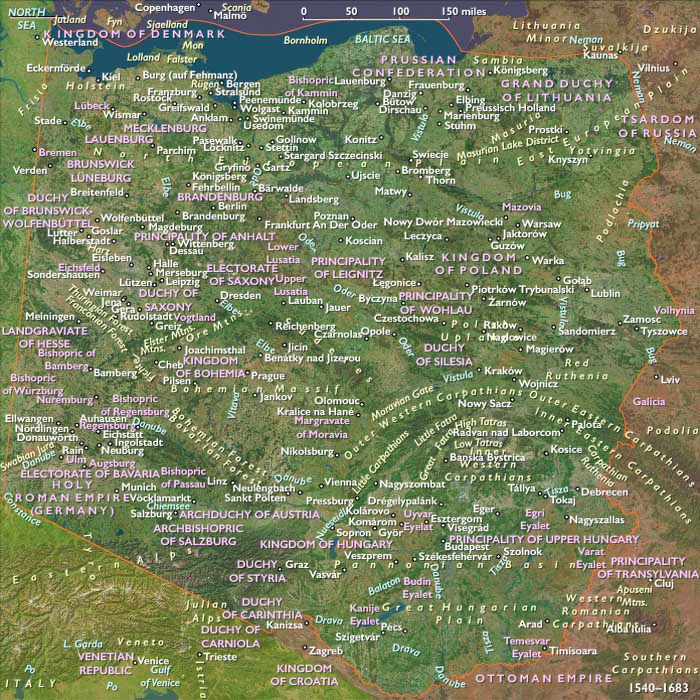
The roots of this radical and pacifistic stream within the early Reformation movement go back to 1457 in a small village in the northeast part of Bohemia called Kunvald near Žamberk, on the Litice lordship of George of Poděbrady, the Hussite leader who would soon after rule Bohemia as king until his death in 1471.
Theologians and thinkers who provided inspiration for the future Unity of the Brethren were Hussite churchman Jan Rokycana, Archbishop of Prague, and Petr Chelčický, a politician and author.
Many members of the Unity of the Brethren, the Christian denomination whose roots are in the pre-reformation work of the martyred Jan Hus, emigrate after 1548 from Bohemia
Locations
Groups
Topics
Subjects
Regions
Subregions
Years: 1549 - 1549
Locations
Groups
Topics
Subjects
Regions
Subregions