
The Second "Dark Age" and the Transformation …
Years: 532 - 675
The Second "Dark Age" and the Transformation of Medieval Europe
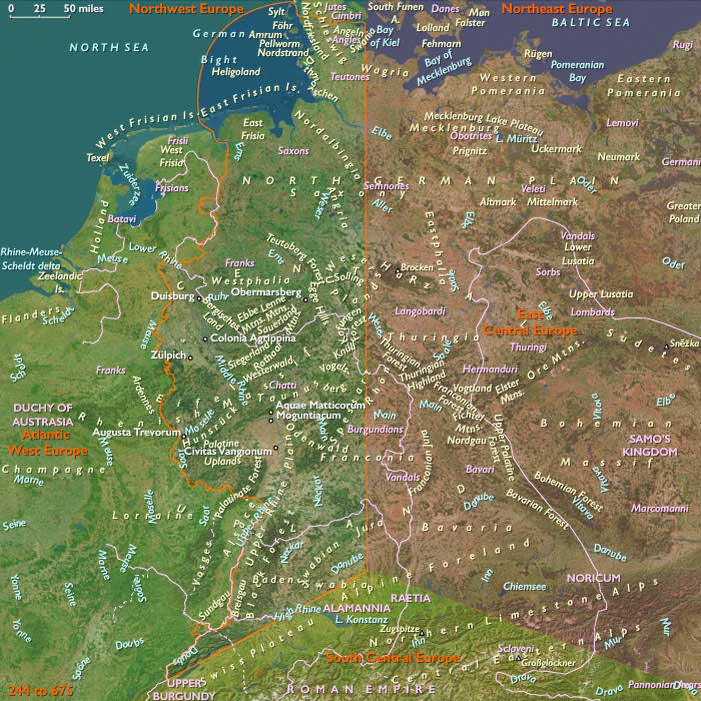
Following the collapse of the Western Roman Empire, waves of barbarian migrations from northern and eastern Eurasia intensify, leading to a second "Dark Age" in the Western world. These migrations destabilize existing power structures, contribute to widespread cultural and economic disruption, and further fragment the political landscape of medieval Europe.
1. The Intensification of Barbarian Migrations
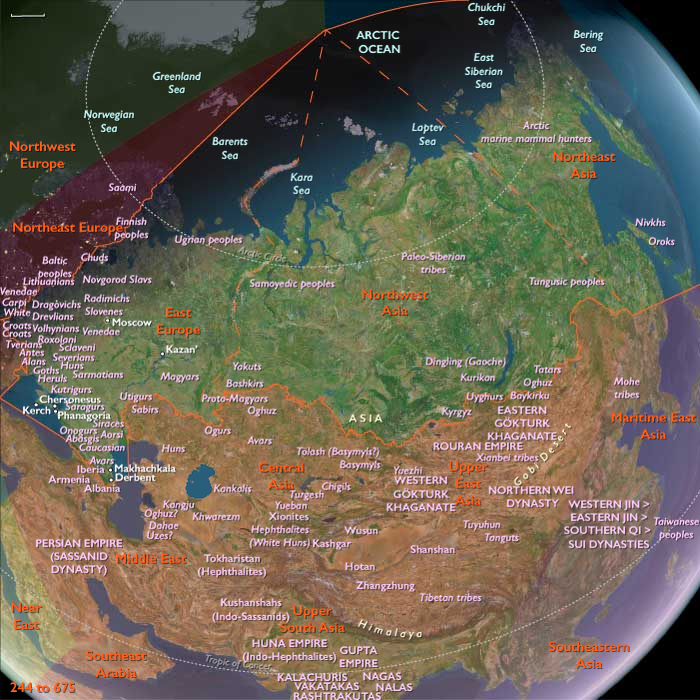
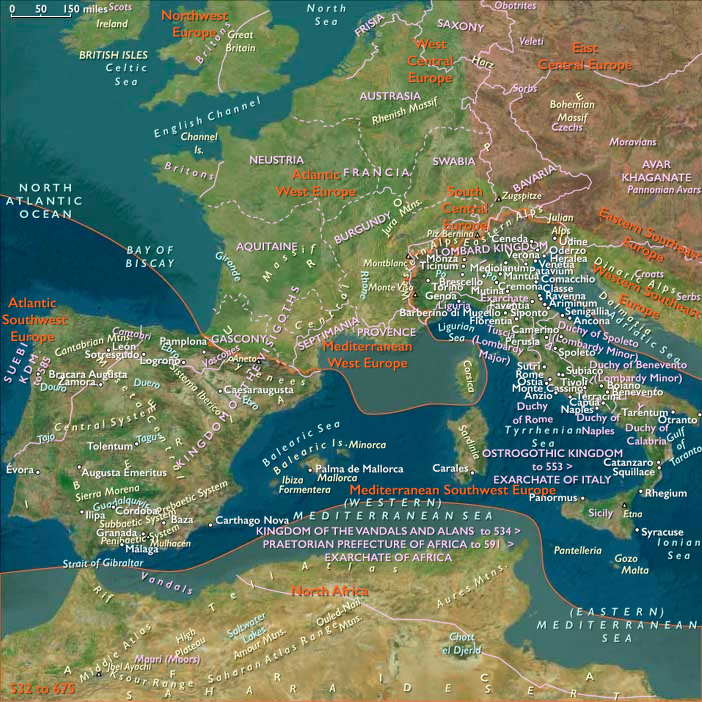
From the fifth to the seventh centuries, various migratory waves reshape Europe:
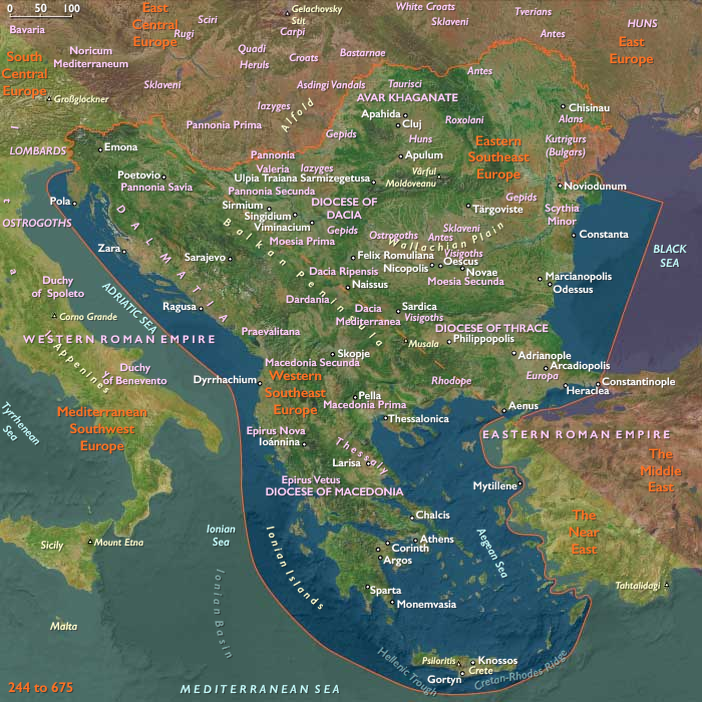
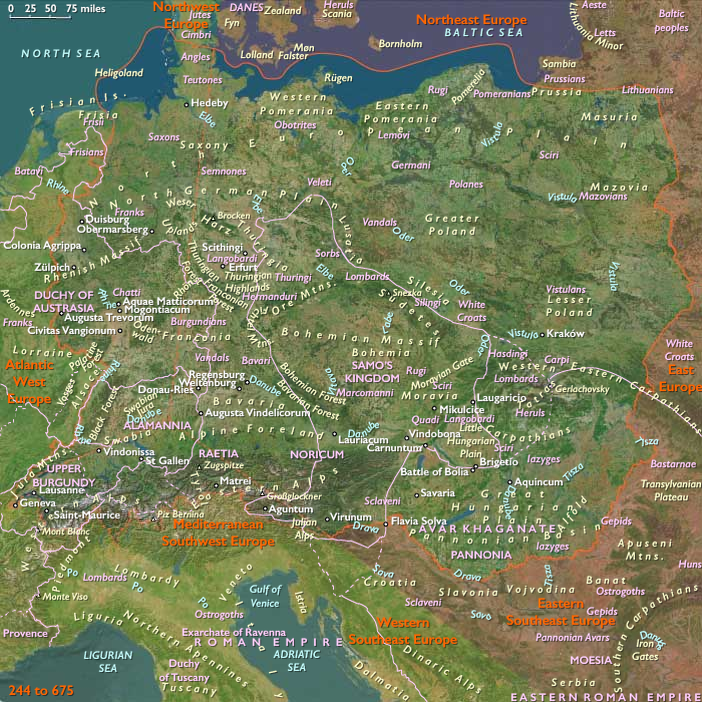
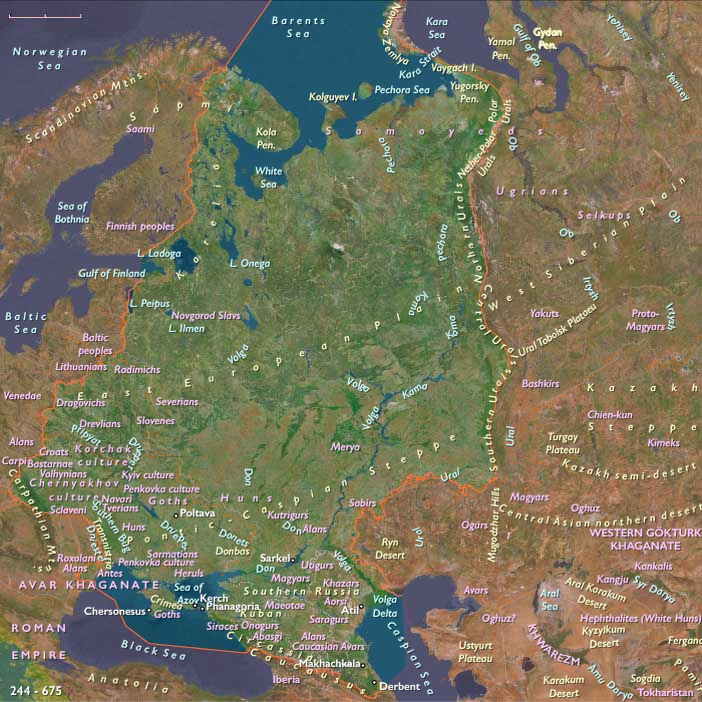
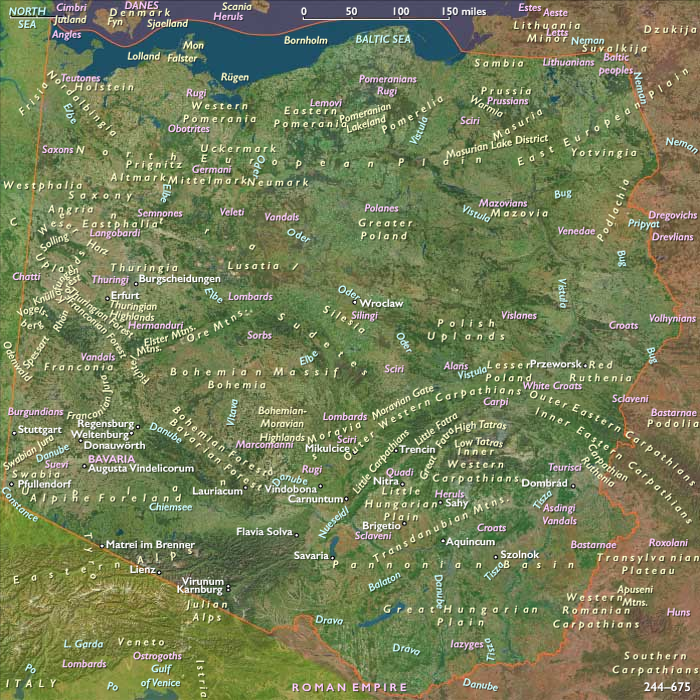
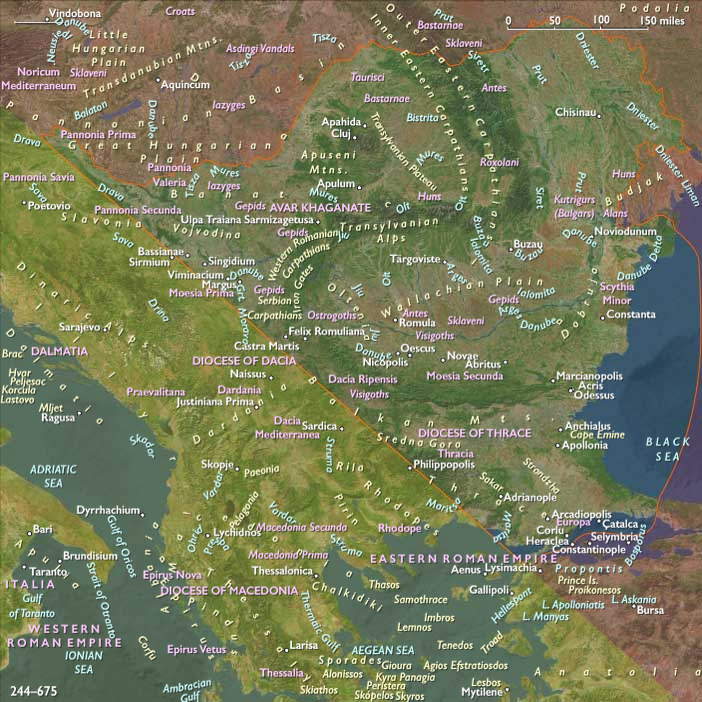
- Slavs and Avars – Move westward into Central and Eastern Europe, displacing earlier Germanic and Roman populations.
- Bulgars – Cross the Danube and establish the First Bulgarian Empire, pressuring the Eastern Roman (Byzantine) Empire.
- Huns and Later Turkic Nomads – Raid and disrupt societies along the frontiers of Europe and Byzantium.
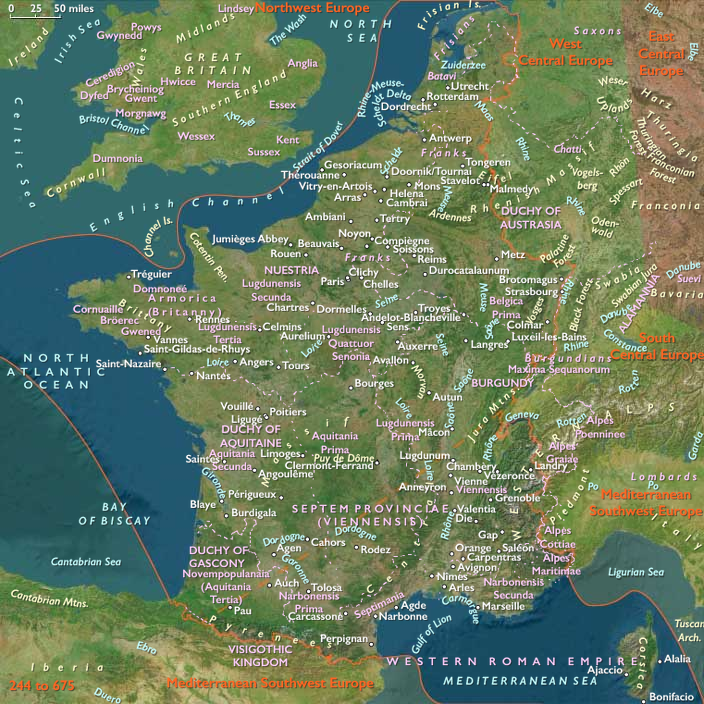
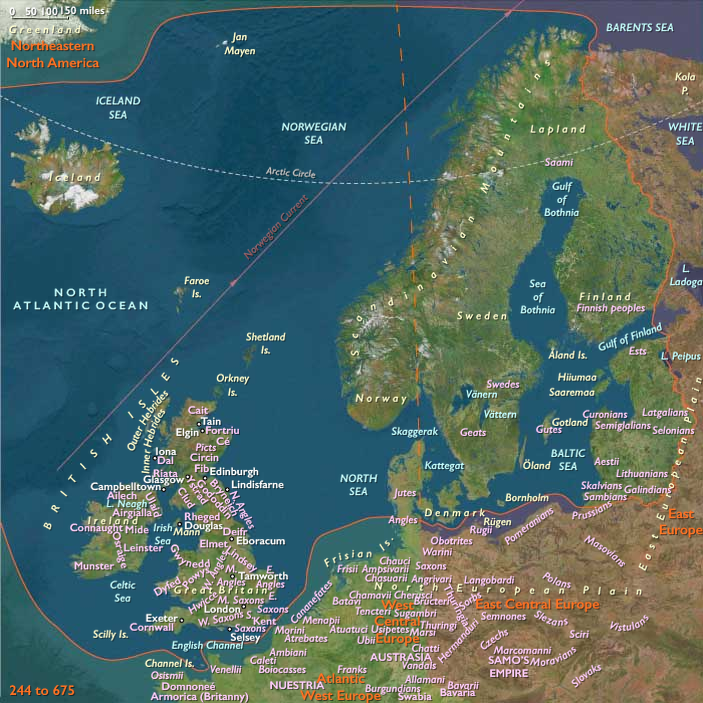
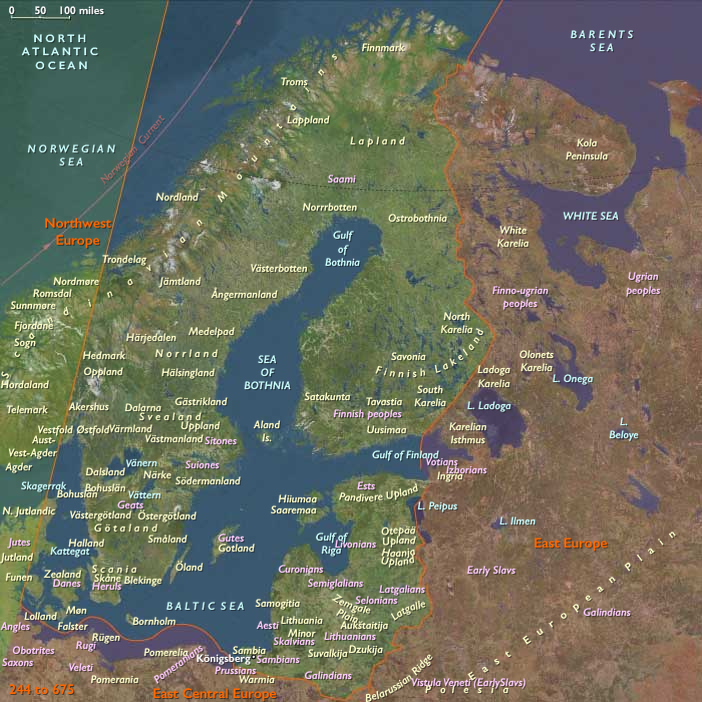
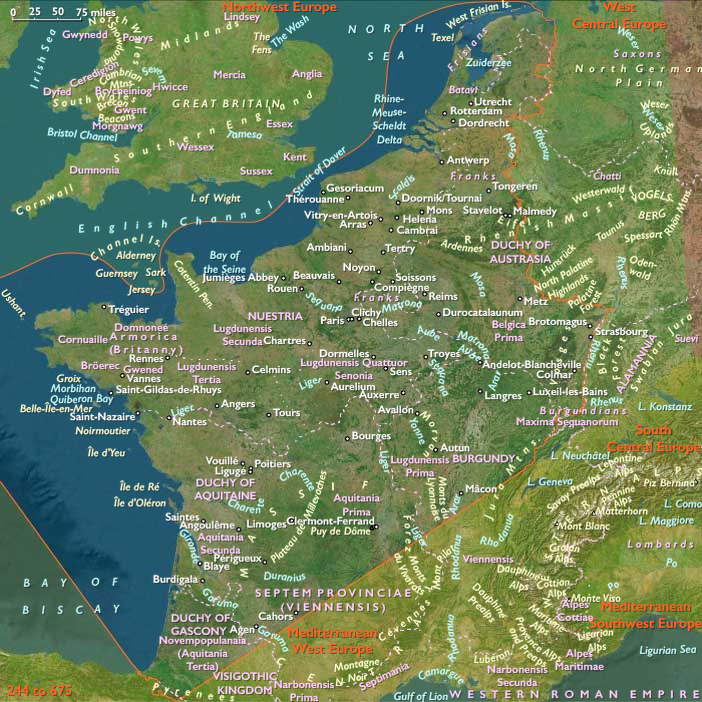
- Anglo-Saxons and Norse Expansion – Germanic peoples continue their migration into Britain, while Scandinavian societies begin their expansion into the North Atlantic and continental Europe.
2. Political Fragmentation and the Collapse of Roman Institutions
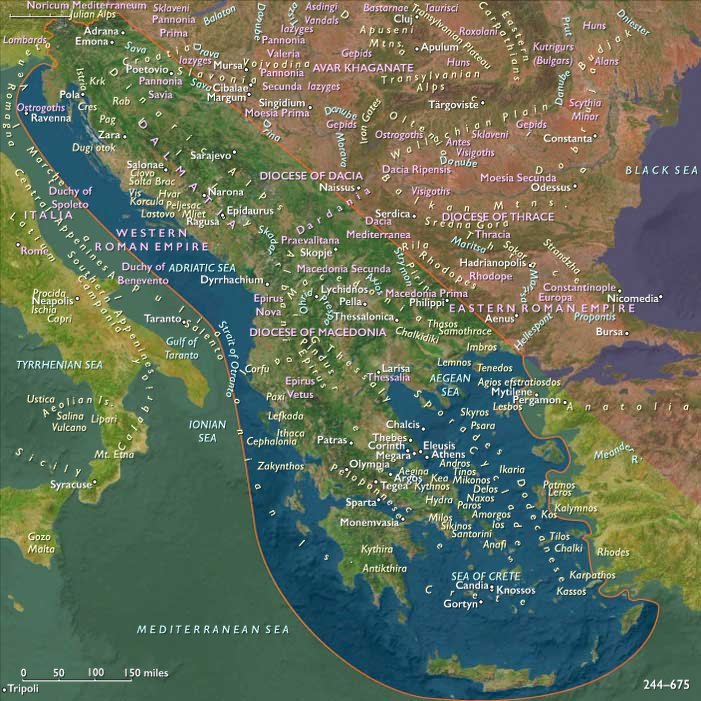
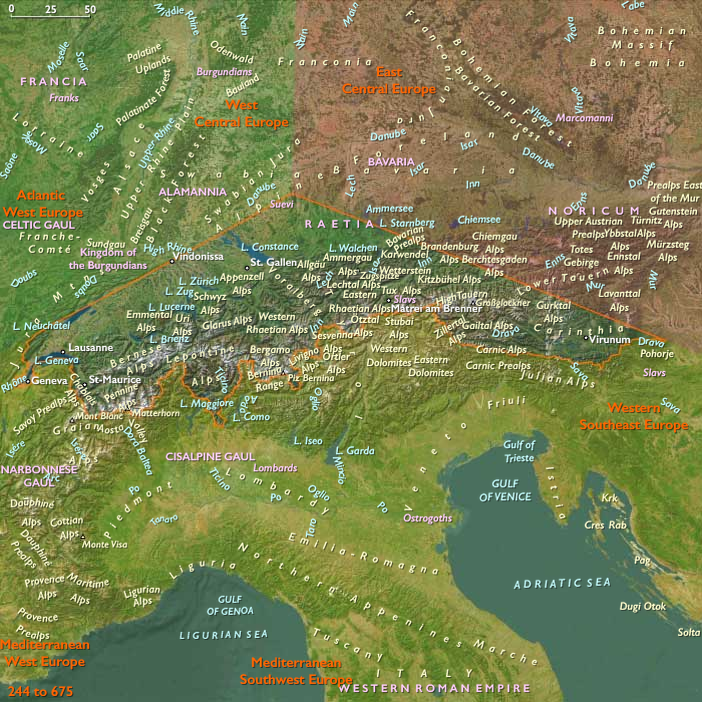
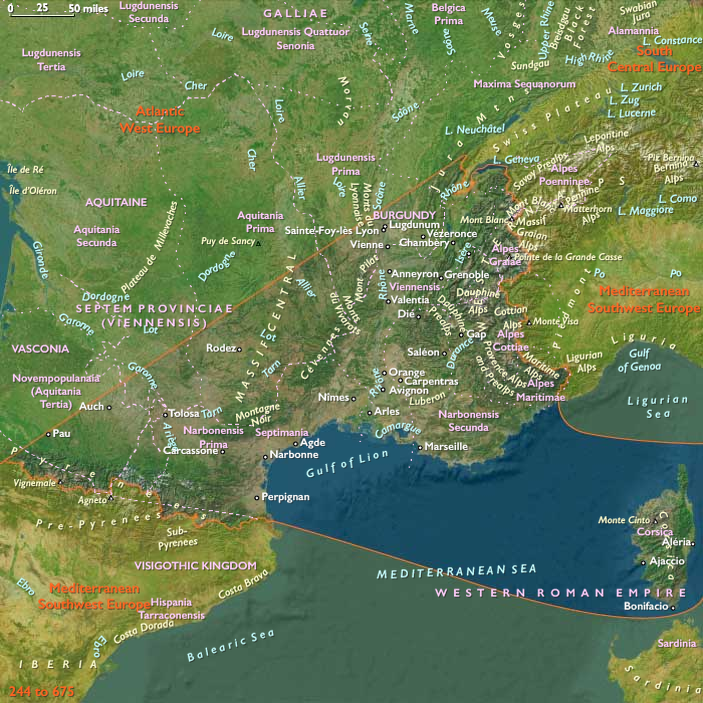
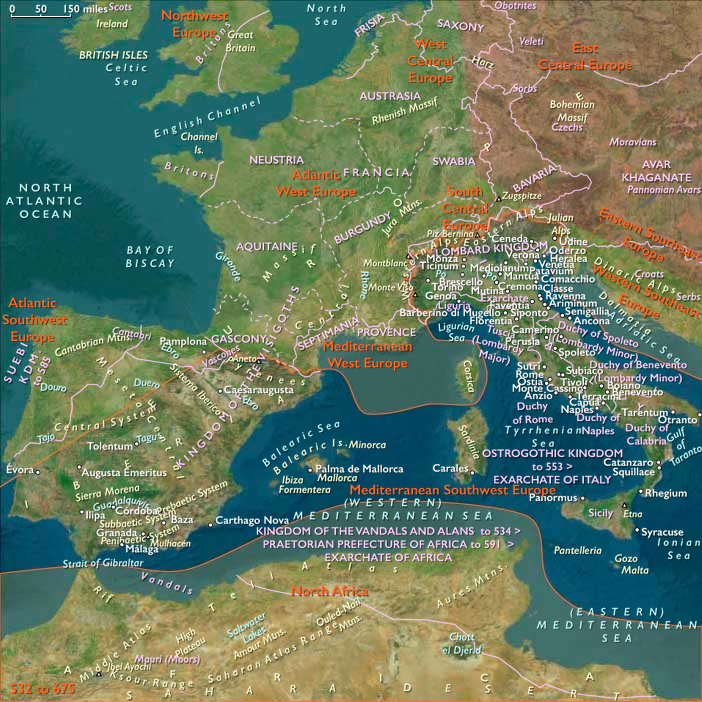
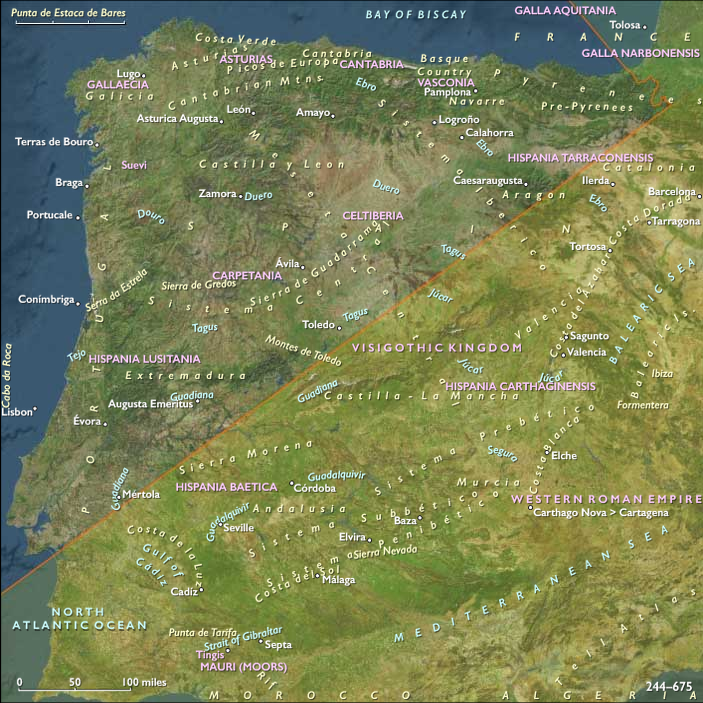
- The old Roman administrative system disintegrates, leaving behind a patchwork of barbarian kingdoms.
- Local Germanic warlords and tribal leaders take control, leading to the rise of feudal structures as power becomes decentralized.
- Former urban centers shrink, and long-distance trade collapses, leading to localized economies.
3. Cultural Decline and the Loss of Classical Knowledge
- Many classical texts are lost or destroyed, as literacy declines outside of monasteries.
- The Latin language evolves into regional dialects, giving rise to the Romance languages.
- Scientific, architectural, and artistic advancements stagnate, though some knowledge is preserved within Byzantine and Islamic civilizations.
4. The Rise of Medieval European Society
Despite the disruptions, this period also lays the foundation for medieval Europe:
- The Christian Church emerges as the dominant unifying force, preserving learning and providing stability.
- The monastic movement spreads, copying manuscripts and maintaining classical and theological knowledge.
- The transition from antiquity to feudal society begins, with local lords, knights, and manorial systems shaping medieval political structures.
Conclusion: A Period of Transition, Not Total Collapse
While this period is often seen as a "Dark Age", it is more accurately a time of transition:
- Roman civilization does not disappear entirely; rather, it evolves under Germanic, Slavic, and other influences.
- The Byzantine Empire remains a beacon of learning and stability in the East.
- The Islamic Golden Age begins, preserving and advancing much of Greek and Roman knowledge.
This second wave of migrations forces Europe into a period of political fragmentation and economic decline, but it also sets the stage for the cultural and political rebirth of the medieval world, leading to the emergence of Carolingian and feudal Europe in the centuries to come.
Topics
- Migration Period
- Vandal Raids on the Roman Empire
- Saxon Raids of 407-550
- Migration Period Pessimum
- Saxon Raids of 550-77
Subjects
Regions
Subregions
- East Europe
- Northeast Europe
- East Central Europe
- Eastern Southeast Europe
- Western Southeast Europe
- South Central Europe
- Mediterranean West Europe
- Mediterranean Southwest Europe
- Atlantic Southwest Europe
- Atlantic West Europe
- West Central Europe
Related Events
Showing 10 events out of 58080 total
Years: 532 - 675
Topics
- Migration Period
- Vandal Raids on the Roman Empire
- Saxon Raids of 407-550
- Migration Period Pessimum
- Saxon Raids of 550-77
Subjects
Regions
Subregions
- East Europe
- Northeast Europe
- East Central Europe
- Eastern Southeast Europe
- Western Southeast Europe
- South Central Europe
- Mediterranean West Europe
- Mediterranean Southwest Europe
- Atlantic Southwest Europe
- Atlantic West Europe
- West Central Europe