
The Arrival of Early Modern Humans in …
Years: 49293BCE - 29558BCE
The Arrival of Early Modern Humans in Eurasia
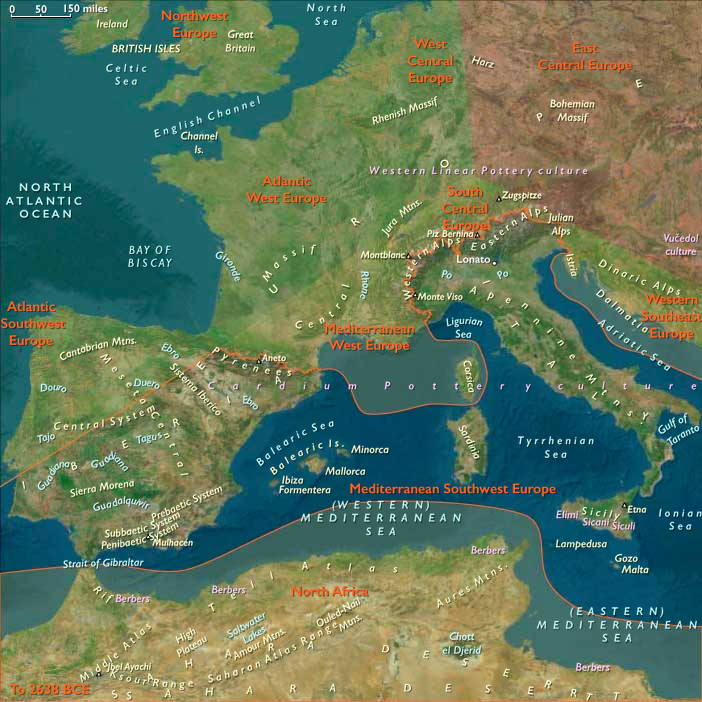
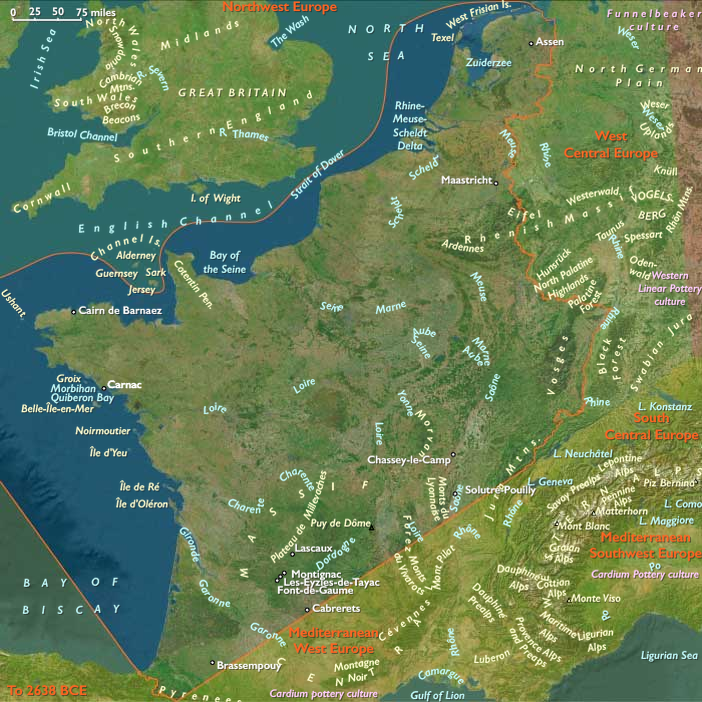
Homo sapiens sapiens, the same physical type as modern humans, appeared in various regions by at least 50,000 BCE. These Early European Modern Humans (EEMH), formerly known as Cro-Magnon peoples, represent the first anatomically modern humans in Europe.
Migration into Eurasia
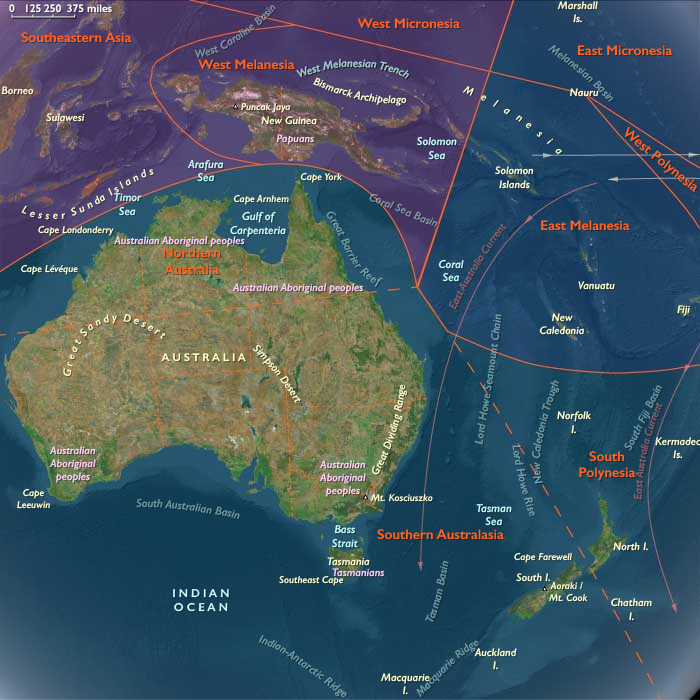
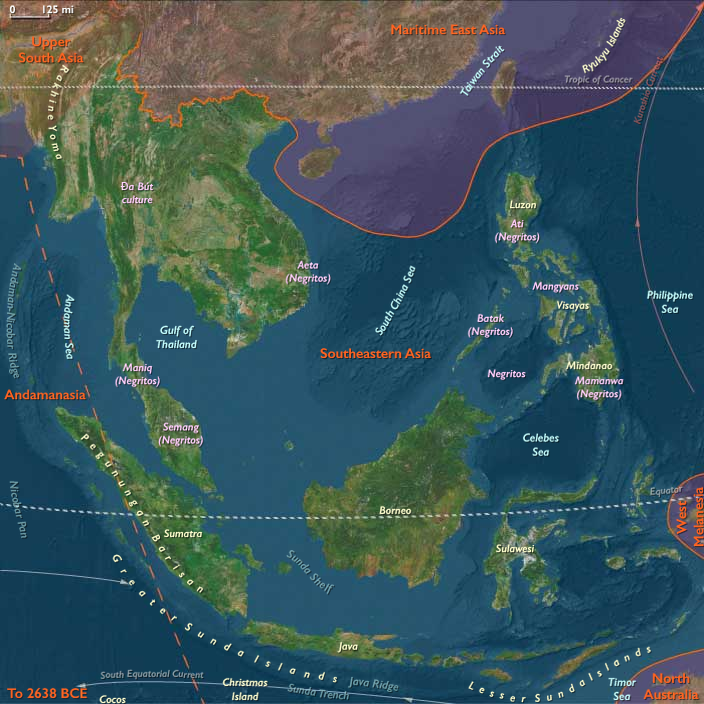
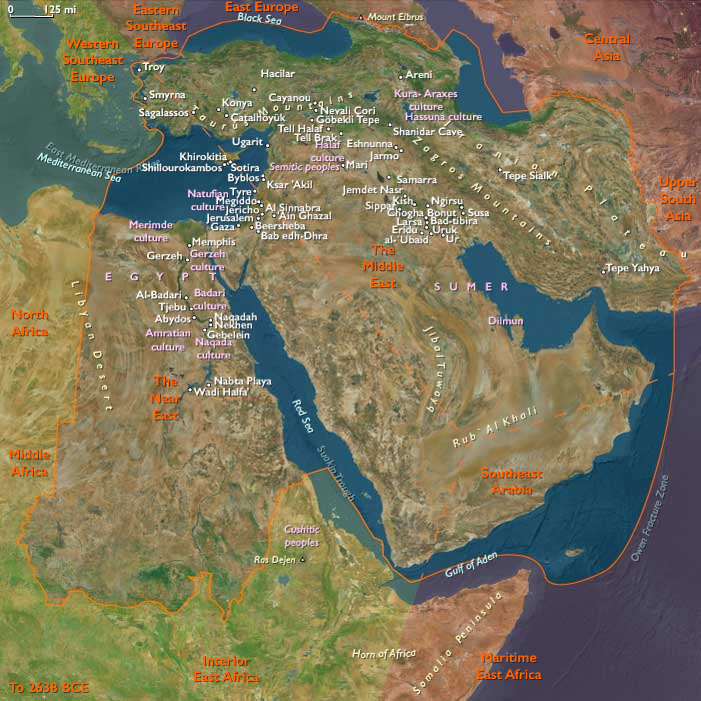
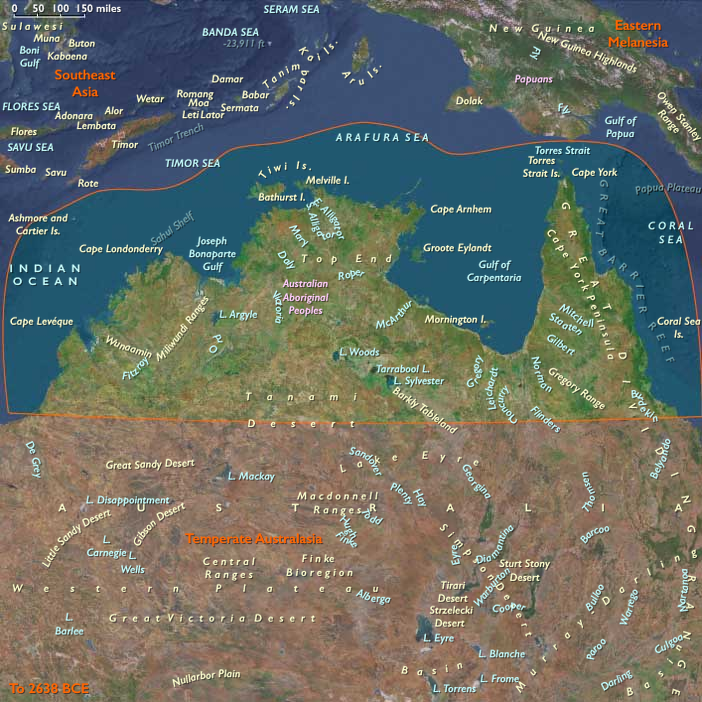
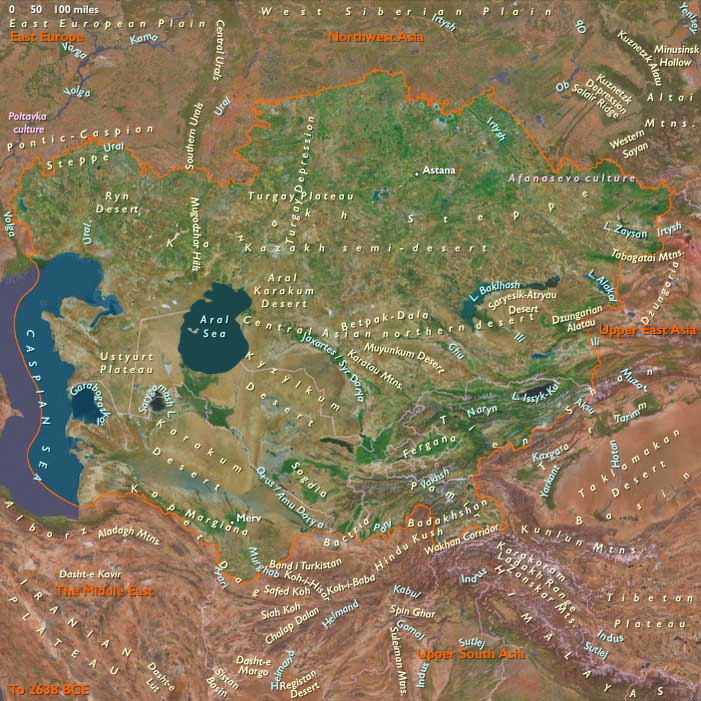
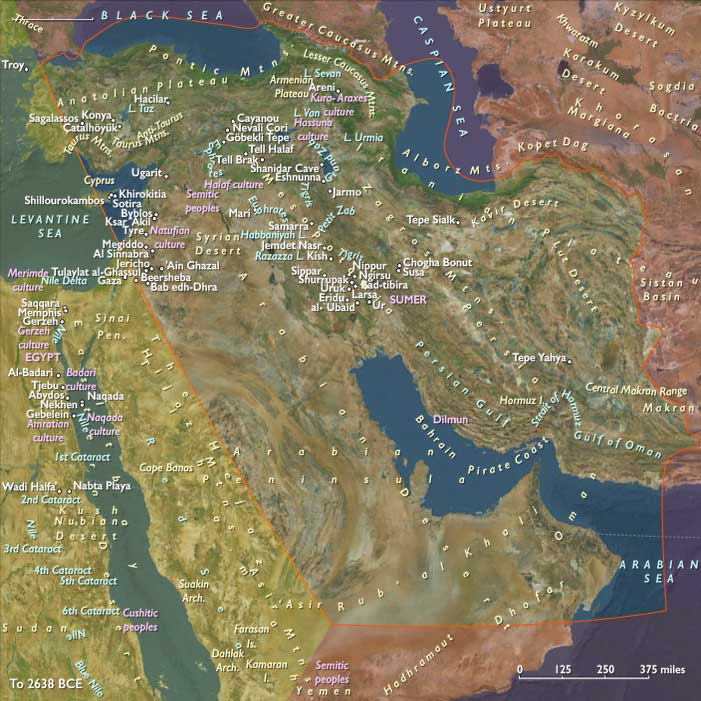
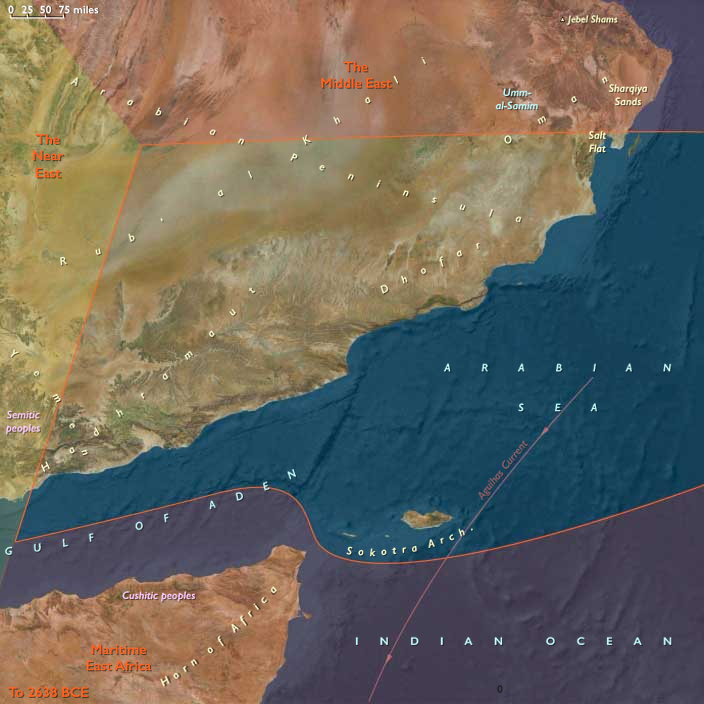
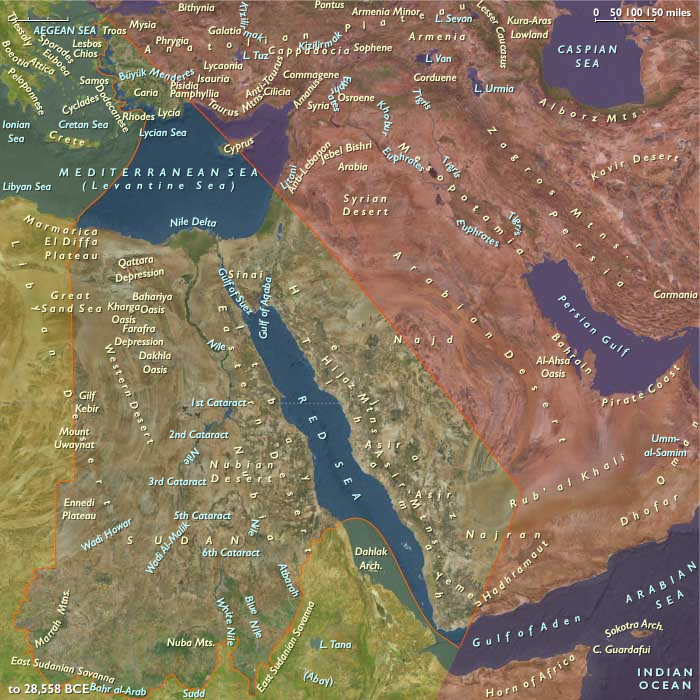
- Early modern humans entered Eurasia via the Arabian Peninsula approximately 60,000 years ago.
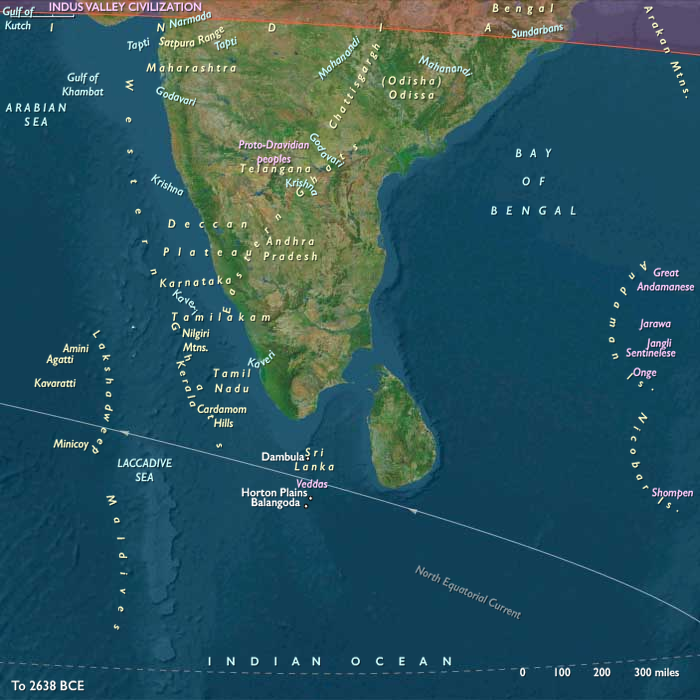
- One group rapidly settled coastal areas around the Indian Ocean, expanding into South and Southeast Asia.
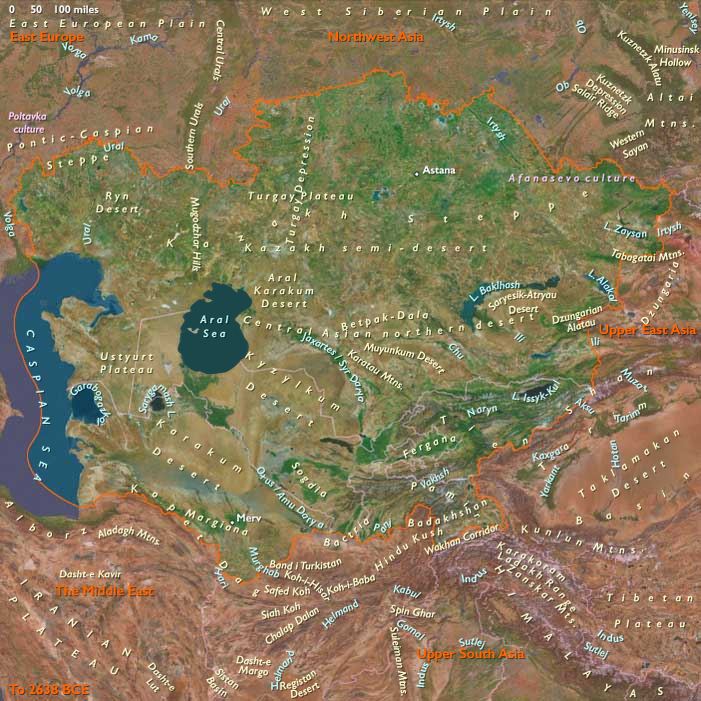
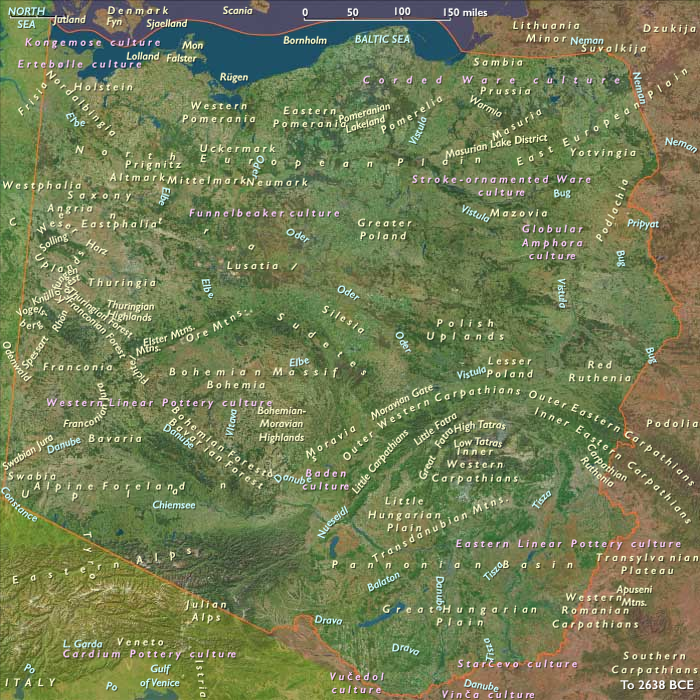
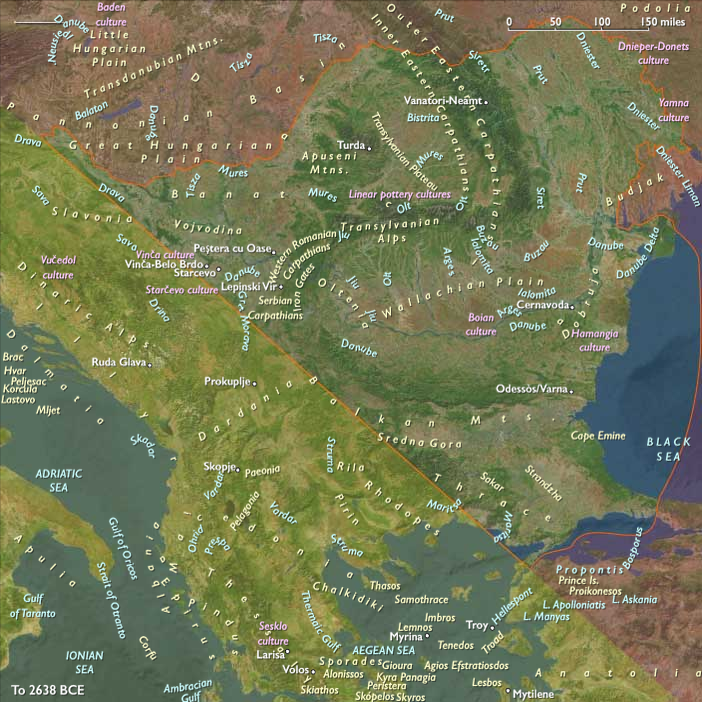
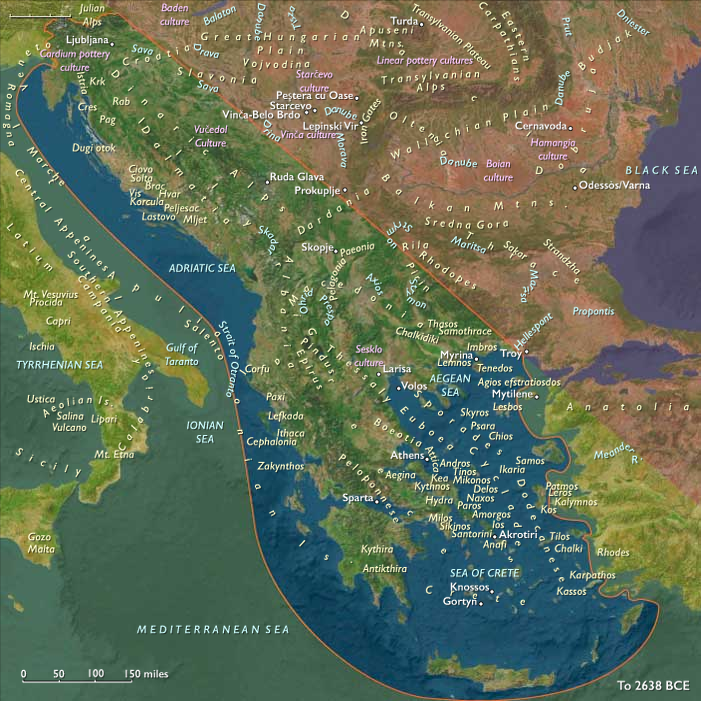
- Another group migrated north, reaching the steppes of Central Asia and eventually spreading into Europe.
Coexistence with Neanderthals
- Neanderthals and modern humans coexisted across Europe and western Asia for thousands of years.
- Evidence suggests that interactions may have been peaceful, with possible cultural exchanges.
Interbreeding and Genetic Legacy
- Genetic studies indicate that Neanderthals and modern humans interbred occasionally, with non-African populations today carrying traces of Neanderthal DNA.
- However, there is no strong evidence supporting the existence of true Neanderthal-modern hybrids as a distinct population. Instead, interbreeding events were limited, contributing only small genetic fragments to the modern human genome.
The arrival of modern humans in Eurasia marked a significant turning point, eventually leading to the replacement of Neanderthals, though traces of their genetic legacy remain in human populations today.
Groups
Topics
Subjects
Regions
- Australasia
- Southeast Asia
- Central Asia
- The Near and Middle East
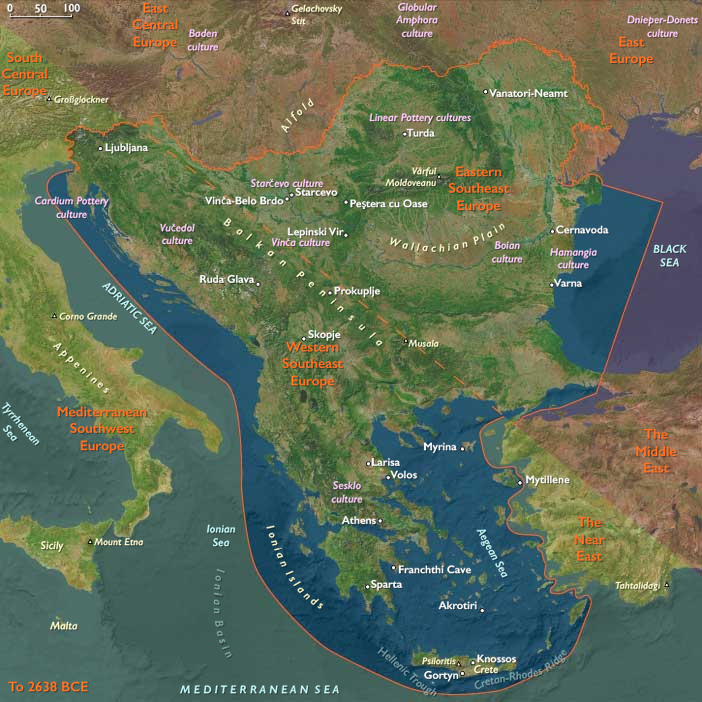
- Southeast Europe
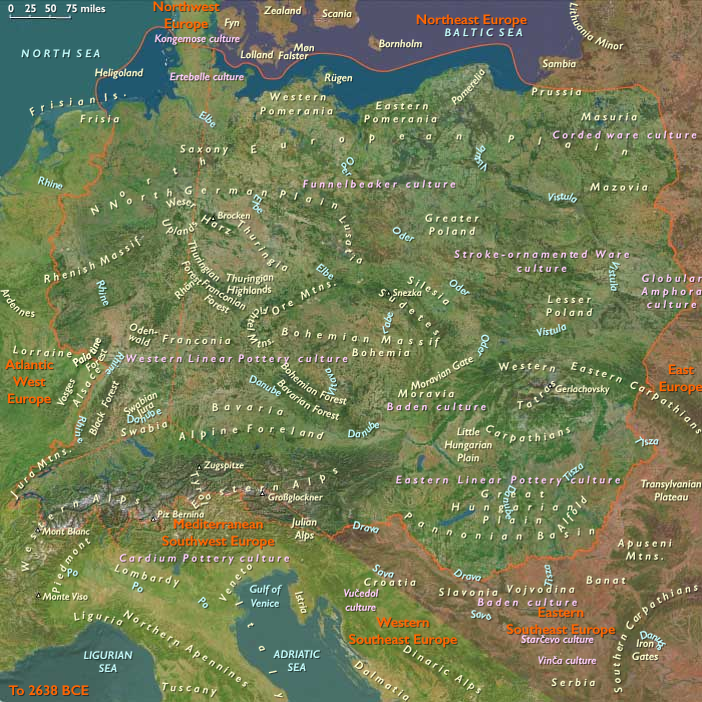
- Central Europe
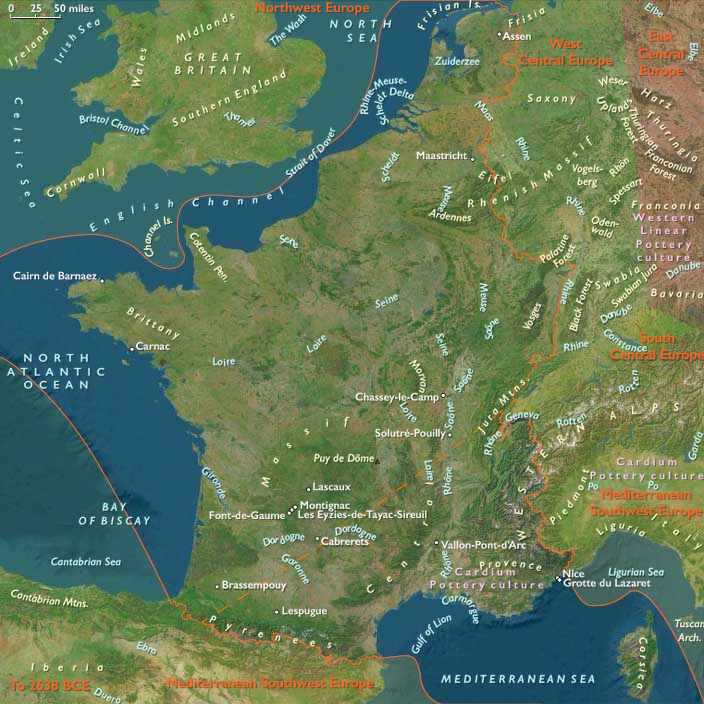
- West Europe
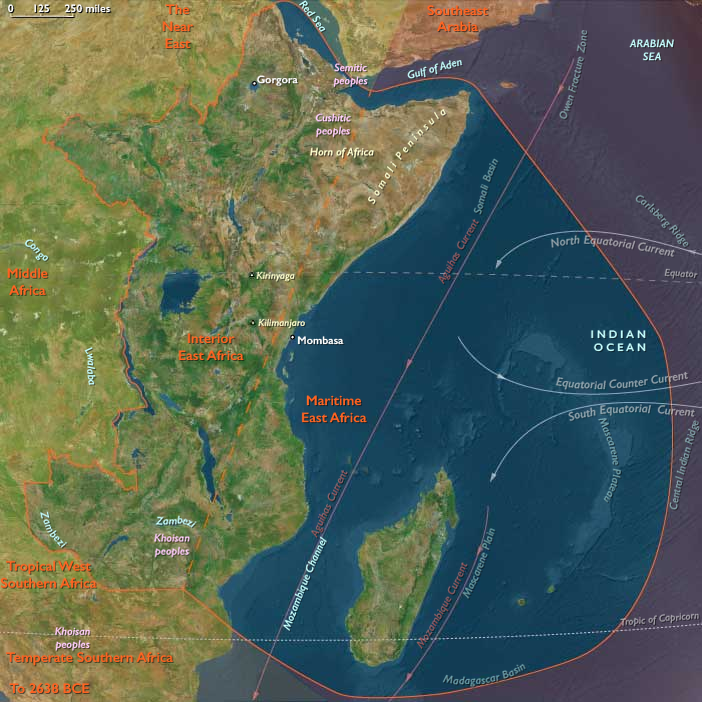
- East Africa
Subregions
- Northern Australia
- Central Asia
- East Central Europe
- Eastern Southeast Europe
- Middle East
- Maritime South Asia
- Southeast Arabia
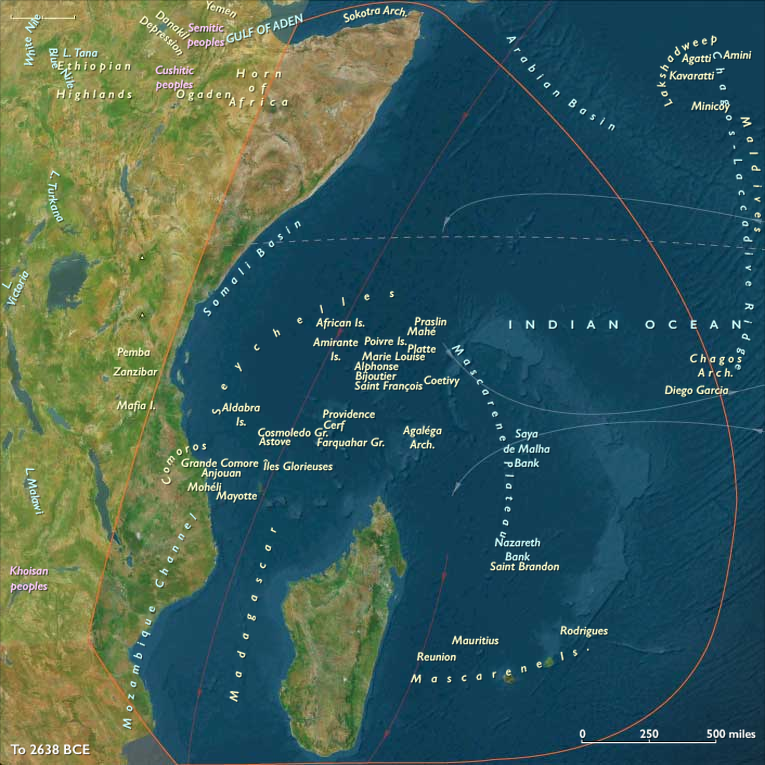
- Maritime East Africa
- Near East
- Western Southeast Europe
- South Central Europe
- Mediterranean West Europe
- Mediterranean Southwest Europe
- Atlantic West Europe
Related Events
Showing 10 events out of 69706 total
Years: 49293BCE - 29558BCE
Groups
Topics
Subjects
Regions
- Australasia
- Southeast Asia
- Central Asia
- The Near and Middle East
- Southeast Europe
- Central Europe
- West Europe
- East Africa
Subregions
- Northern Australia
- Central Asia
- East Central Europe
- Eastern Southeast Europe
- Middle East
- Maritime South Asia
- Southeast Arabia
- Maritime East Africa
- Near East
- Western Southeast Europe
- South Central Europe
- Mediterranean West Europe
- Mediterranean Southwest Europe
- Atlantic West Europe