
Monastic Orders and the Settlement of Central …
Years: 1108 - 1251
Monastic Orders and the Settlement of Central Portugal
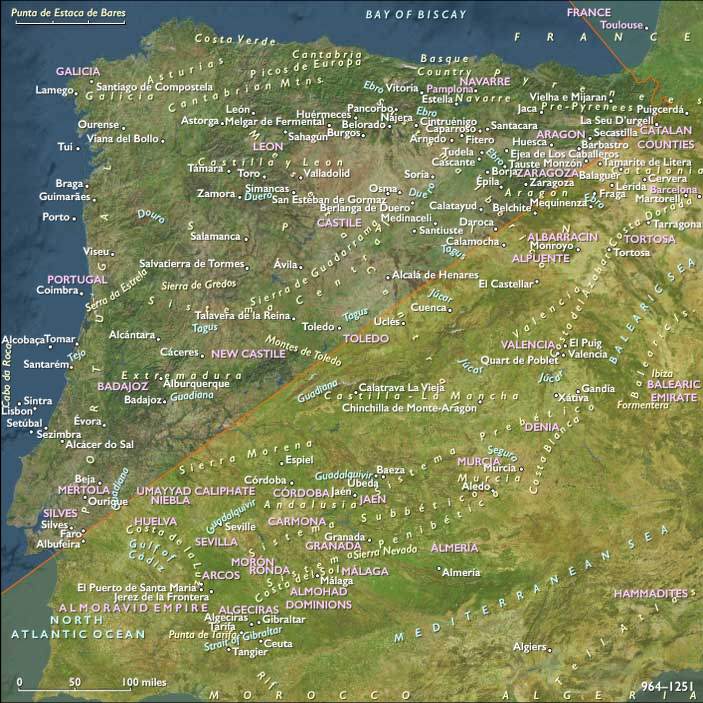
As the Christian reconquest of Portugal progresses, the vacant territory between the north and south is gradually settled, not only by nobles and warriors but also by various monastic orders, including the Franciscans, Dominicans, and Benedictines.
The Roman Catholic Church plays a crucial role in this process, granting charters to religious orders to build monasteries and cultivate surrounding lands, contributing to both spiritual and agricultural development.
The Benedictines and the Alcobaça Monastery
Among these monastic communities, the Benedictines are the most successful:
- They establish the Monastery of Alcobaça, one of the most important and enduring monasteries in Portugal.
- They cultivate the surrounding land, planting orchards that continue to thrive to this day.
Expansion and Influence of Alcobaça
The monastic domain of Alcobaça grows to include:
- A community of over 5,000 monks, making it one of the largest monastic institutions in Iberia.
- A vast territory stretching from Leiria in the north to Óbidos in the south.
- Control over the port town of Pederneira (modern-day Nazaré), reinforcing its economic and maritime influence.
The monasteries not only serve religious purposes but also contribute to the economic, cultural, and agricultural development of the newly reconquered lands, helping shape Portugal’s medieval landscape.
Locations
People
Groups
- Benedictines, or Order of St. Benedict
- Islam
- Portuguese people
- León, Kingdom of
- Burgundy, Duchy of
- Christians, Roman Catholic
- Portugal, (second) County of
- Almohad Caliphate
- Portugal, Burgundian (Alfonsine) Kingdom of
- Franciscans, or Order of St. Francis
- Dominicans, or Order of St. Dominic
Topics
Subjects
Regions
Subregions
Years: 1108 - 1251
Locations
People
Groups
- Benedictines, or Order of St. Benedict
- Islam
- Portuguese people
- León, Kingdom of
- Burgundy, Duchy of
- Christians, Roman Catholic
- Portugal, (second) County of
- Almohad Caliphate
- Portugal, Burgundian (Alfonsine) Kingdom of
- Franciscans, or Order of St. Francis
- Dominicans, or Order of St. Dominic
Topics
Subjects
Regions
Subregions