
The raid on the Neumark region is …
Years: 1326 - 1326
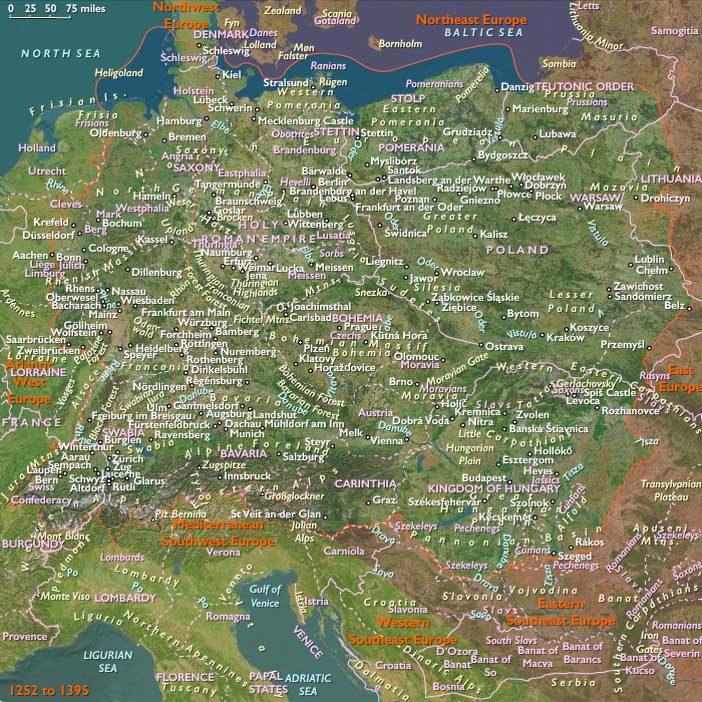
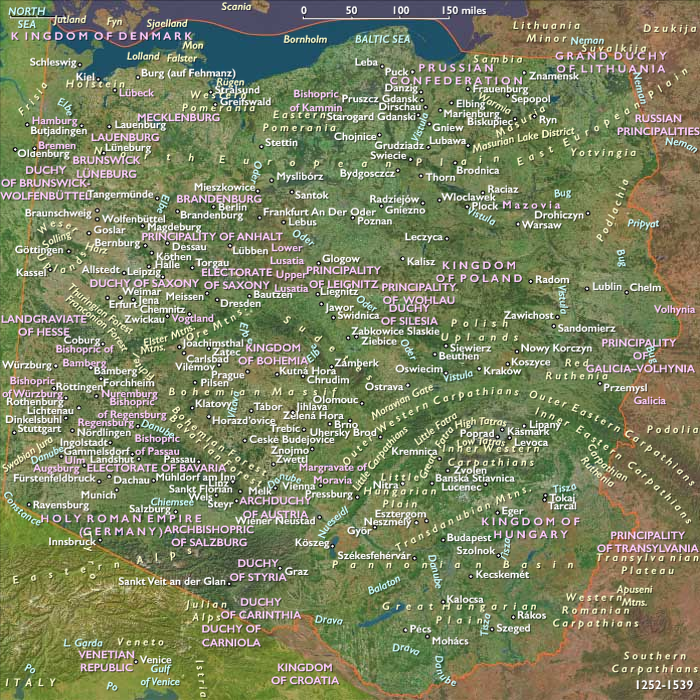
The raid on the Neumark region is a successful military campaign and brings much loot, but it is not a political success.
The raid further antagonizes Poland and the Teutonic Knights.
The tension soon turns into the Polish–Teutonic War (1326–32).
Silesian Piasts turn against Poland and recognize the suzerainty of King John of Bohemia.
The alliance between the Pope and the pagan Lithuanians, subjects of the Lithuanian Crusade, scandalizes western rulers and damaged the Pope's reputation.
Louis will succeed in 1328 in installing Antipope Nicholas V.
The Polish–Lithuanian alliance, which will survive to 1331, ruins the Lithuanian alliance with the Duchy of Masovia, which has oscillated between Poland, Lithuania, and the Teutonic Knights in attempt to maintain its independence.
Gediminas' hopes of creating a Polish–Lithuanian–Hungarian alliance against the Teutonic–Bohemian alliance do not materialize.
Instead, the raid encourages John of Bohemia to join the Lithuanian Crusade and capture Medvėgalis in 1329.
Locations
People
- Antipope Nicholas V
- Casimir III the Great
- Charles I of Hungary
- David of Hrodna
- Elizabeth of Poland
- Frederick the Fair
- Gediminas
- John of Bohemia
- Louis IV
- Pope John XXII
- Wladyslaw I the Elbow-high
Groups
- Polytheism (“paganism”)
- Lithuanians (Eastern Balts)
- Christians, Roman Catholic
- Mazovia, Duchy of
- Silesia, Duchy of
- Austria, Archduchy of
- Bohemia, Kingdom of
- Hungary, Kingdom of
- Lithuania, Grand Duchy of
- Holy Roman Empire
- Teutonic Knights of Prussia, or Monastic state of the Teutonic Knights (House of the Hospitalers of Saint Mary of the Teutons in Jerusalem)
- Poland of the later Piasts, Kingdom of
- Brandenburg, Wittelsbach
Topics
Subjects
Regions
Subregions
Years: 1326 - 1326
Locations
People
- Antipope Nicholas V
- Casimir III the Great
- Charles I of Hungary
- David of Hrodna
- Elizabeth of Poland
- Frederick the Fair
- Gediminas
- John of Bohemia
- Louis IV
- Pope John XXII
- Wladyslaw I the Elbow-high
Groups
- Polytheism (“paganism”)
- Lithuanians (Eastern Balts)
- Christians, Roman Catholic
- Mazovia, Duchy of
- Silesia, Duchy of
- Austria, Archduchy of
- Bohemia, Kingdom of
- Hungary, Kingdom of
- Lithuania, Grand Duchy of
- Holy Roman Empire
- Teutonic Knights of Prussia, or Monastic state of the Teutonic Knights (House of the Hospitalers of Saint Mary of the Teutons in Jerusalem)
- Poland of the later Piasts, Kingdom of
- Brandenburg, Wittelsbach
Topics
Subjects
Regions
Subregions