
Filters:
The Conclusion of the Quaternary Extinction Event …
Years: 9549BCE - 7822BCE
The Conclusion of the Quaternary Extinction Event (c. 8th Millennium BCE)
The Quaternary extinction event, which began in the mid-Pleistocene, reached its final phase by the start of the 8th millennium BCE. By this time, many of the iconic Ice Age megafauna had disappeared, fundamentally reshaping ecosystems across the globe.
Major Megafaunal Losses
Among the most significant species lost during this period were:
- Megatherium – The giant ground sloths of the Americas, once towering over human hunters.
- Woolly rhinoceros (Coelodonta antiquitatis) – Adapted for Ice Age steppe-tundra, but unable to survive post-glacial warming.
- Irish elk (Megaloceros giganteus) – Famous for its massive antlers, which may have been a factor in its extinction.
- Cave bear (Ursus spelaeus) – A large Ice Age omnivore, extinct by 27,000 years BP, foreshadowing later megafaunal extinctions.
- Cave lion (Panthera spelaea) – One of the largest predatory cats of prehistoric Europe and Asia.
- Saber-toothed cats (Smilodon and Homotherium) – Iconic apex predators that disappeared with declining megafaunal prey.
The Extinction of the Mammoth and Equids
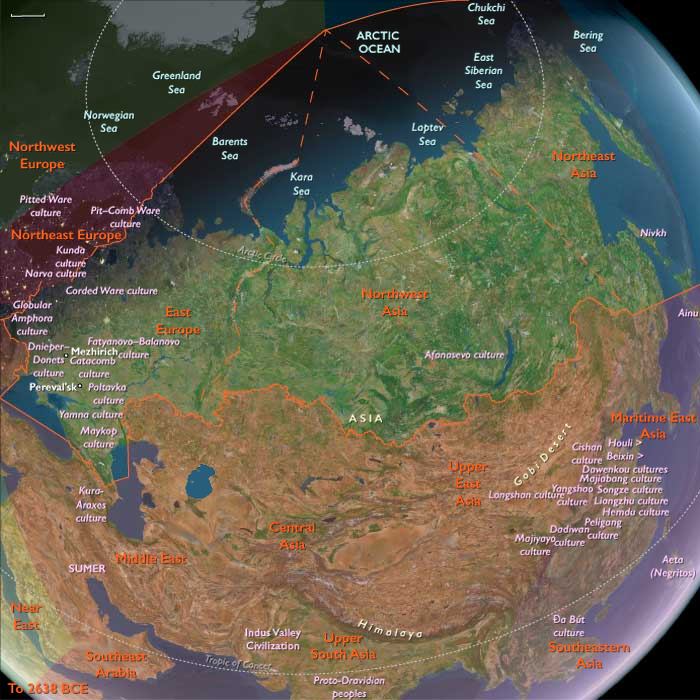
- Mammoths (Mammuthus primigenius) vanished from Eurasia and North America around this time.
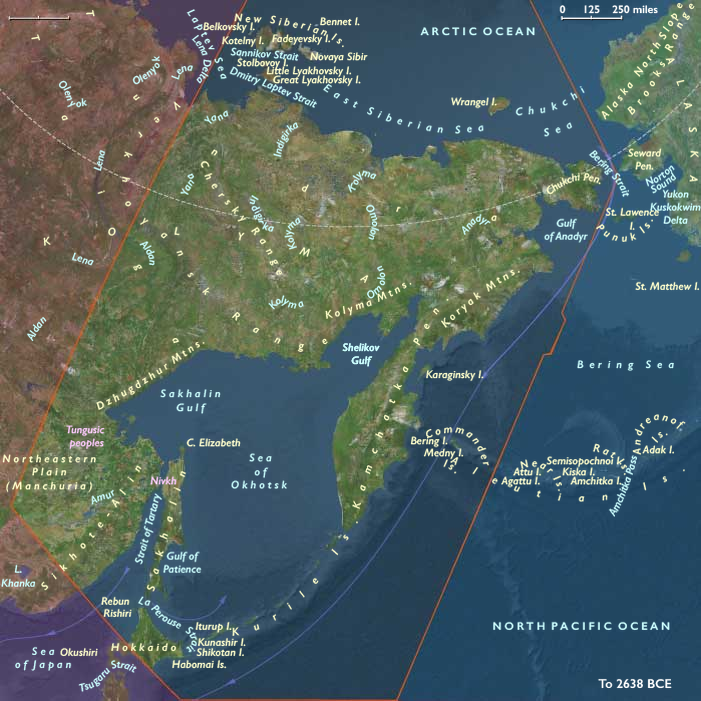
- However, isolated populations on Wrangel Island (Arctic Ocean) survived until around 1650 BCE, among the last remnants of the Ice Age giants.
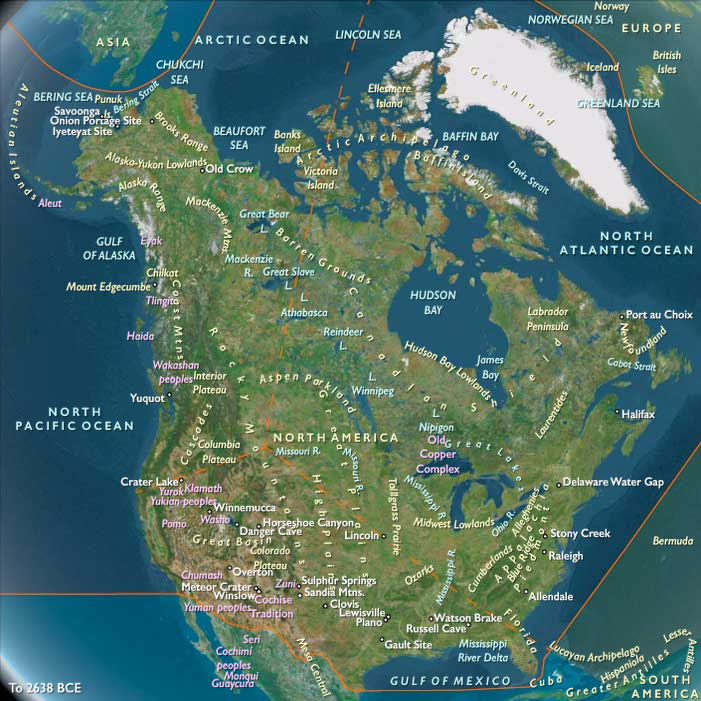
- Equidae (horses and related species) disappeared entirely from North America, where they had evolved.
- While horses, donkeys, and zebras persisted in Africa and Eurasia, wild horses in the Americas vanished, only to be reintroduced by humans in the 16th century CE.
Causes of the Final Extinctions
The final wave of Quaternary extinctions is attributed to two primary factors:
-
Climate Change
- The end of the Ice Age caused habitat shifts, reducing grazing lands for megafauna.
- Rising temperatures and changing precipitation patterns disrupted ecosystems that large herbivores depended on.
-
Human Expansion and Overhunting
- Advanced human hunting techniques (e.g., mass kills, fire-driven hunts, and spears with stone points) increased predation pressure.
- Human presence often correlated with the disappearance of large prey species, particularly in North and South America.
The Legacy of the Quaternary Extinction
- This massive loss of megafauna reshaped global ecosystems, leaving many regions without their largest herbivores and predators.
- It marked a critical turning point in Earth's biological history, influencing later human societies, as they shifted from big-game hunting toward domesticated animals and agriculture in the Holocene.
- Some species that disappeared in the wild, like the horse, would later be reintroduced and domesticated, altering human civilization forever.
The Quaternary extinction event was one of the most profound biological transitions in prehistory, signaling the end of the Pleistocene megafaunal era and the beginning of the human-dominated Holocene epoch.
Topics
- Pleistocene Epoch
- The Upper Paleolithic
- Quaternary extinction event
- Late Glacial Maximum
- Neolithic Revolution
- Preboreal Period
- Boreal Period
Commodoties
Subjects
Regions
- The Near and Middle East
- Southeast Europe
- West Europe
- North Europe
- Northeastern Eurasia
- North Africa
- Southwest Europe
- Northern North America
Subregions
- Northeast Asia
- Northwestern North America
- East Europe
- Northeast Europe
- East Central Europe
- Eastern Southeast Europe
- Near East
- Western Southeast Europe
- South Central Europe
- Mediterranean West Europe
- Mediterranean Southwest Europe
- North Africa
- Atlantic Southwest Europe
- Atlantic West Europe
- West Central Europe
- Northwest Europe
- Northeastern North America
- Gulf and Western North America
Years: 9549BCE - 7822BCE
Topics
- Pleistocene Epoch
- The Upper Paleolithic
- Quaternary extinction event
- Late Glacial Maximum
- Neolithic Revolution
- Preboreal Period
- Boreal Period
Commodoties
Subjects
Regions
- The Near and Middle East
- Southeast Europe
- West Europe
- North Europe
- Northeastern Eurasia
- North Africa
- Southwest Europe
- Northern North America
Subregions
- Northeast Asia
- Northwestern North America
- East Europe
- Northeast Europe
- East Central Europe
- Eastern Southeast Europe
- Near East
- Western Southeast Europe
- South Central Europe
- Mediterranean West Europe
- Mediterranean Southwest Europe
- North Africa
- Atlantic Southwest Europe
- Atlantic West Europe
- West Central Europe
- Northwest Europe
- Northeastern North America
- Gulf and Western North America