
The Pyramid of Cestius, built about 18–12 …
Years: 14BCE - 14BCE
The Pyramid of Cestius, built about 18–12 BCE as a funerary monument for Gaius Cestius, a magistrate and member of one of the four great religious corporations in Rome, the Septemviri Epulonum, is the first (and, for centuries to come, the only) European structure built in imitation of the pyramids of ancient Egypt.
It stands at a fork between two ancient roads, the Via Ostiensis and another road that runs west to the Tiber along the approximate line of the modern Via della Marmorata.
It is constructed of brick-faced concrete covered with slabs of white marble standing on a travertine foundation, measuring one hundred Roman feet (29.6 meters) square at the base and standing one hundred and twenty-five Roman feet (thirty-seven meters) high.
In the interior is the burial chamber, a simple barrel-vaulted rectangular cavity measuring 5.95 meters long, 4.10 meters wide and 4.80 meters high.
It stands today near the Porta San Paolo and the Protestant Cemetery.
Due to its incorporation into the city's fortifications, it is today one of the best-preserved ancient buildings in Rome.
When it was (re)discovered in 1660, the chamber was found to be decorated with frescoes, which were recorded by Pietro Santi Bartoli, but only scant traces of these now remain.
There was no trace left of any other contents in the tomb, which had been plundered in antiquity.
The tomb had been sealed when it was built, with no exterior entrance; it is not possible for visitors to access the interior, except by special permission typically only granted to scholars.
Locations
Groups
Topics
Commodoties
Subjects
- Commerce
- Writing
- Architecture
- Sculpture
- Painting and Drawing
- Environment
- Labor and Service
- Decorative arts
- Conflict
- Faith
- Government
- Technology
Regions
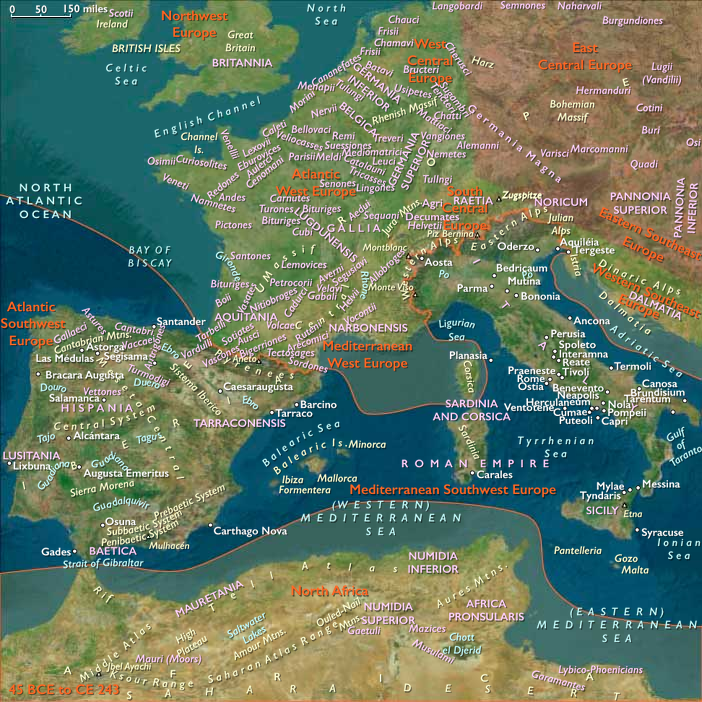
Subregions
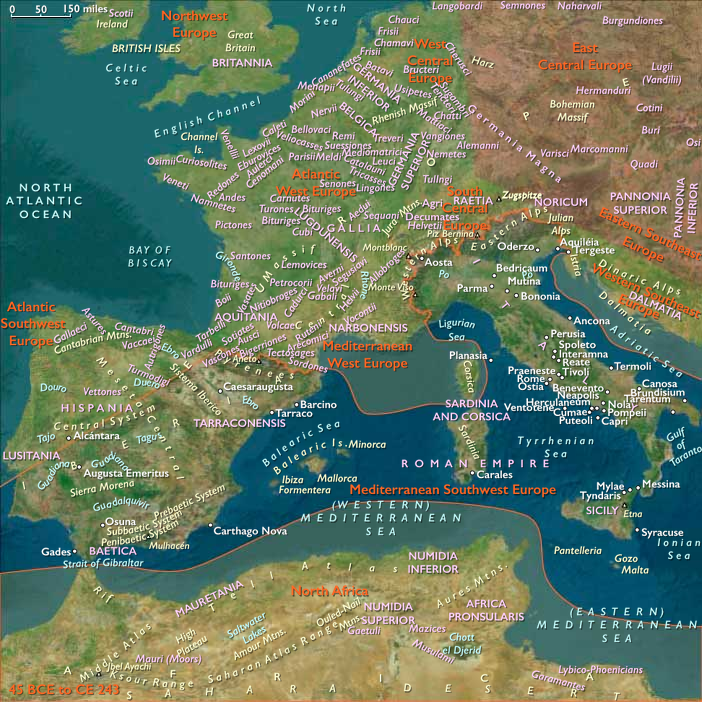
Related Events
Showing 5 events out of 5 total
Years: 14BCE - 14BCE
Locations
Groups
Topics
Commodoties
Subjects
- Commerce
- Writing
- Architecture
- Sculpture
- Painting and Drawing
- Environment
- Labor and Service
- Decorative arts
- Conflict
- Faith
- Government
- Technology
Regions
Subregions