
Danish Viking Raids and Settlements: A Lasting …
Years: 820 - 963
Danish Viking Raids and Settlements: A Lasting Impact on Medieval Europe
The Danish Vikings play a pivotal role in the raiding, conquest, and settlement of various regions across Western Europe between the 9th and 11th centuries. Their impact extends beyond plundering, as they establish lasting settlements, integrate into local societies, and contribute to the cultural and political transformation of medieval Europe.
Key Viking Settlements
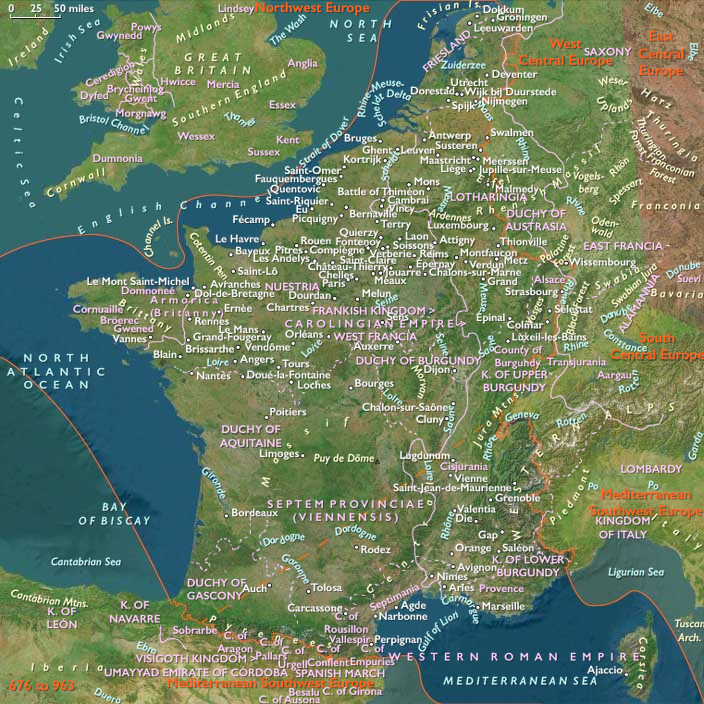
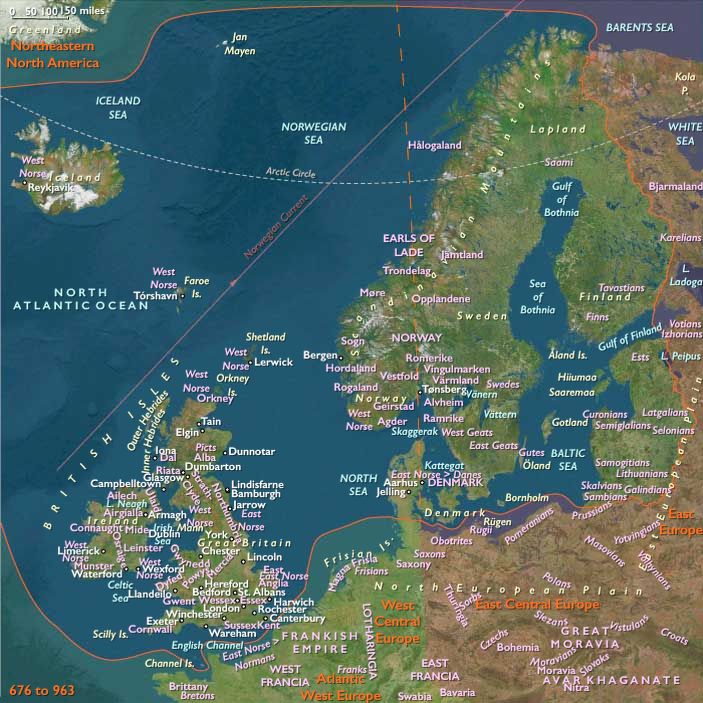
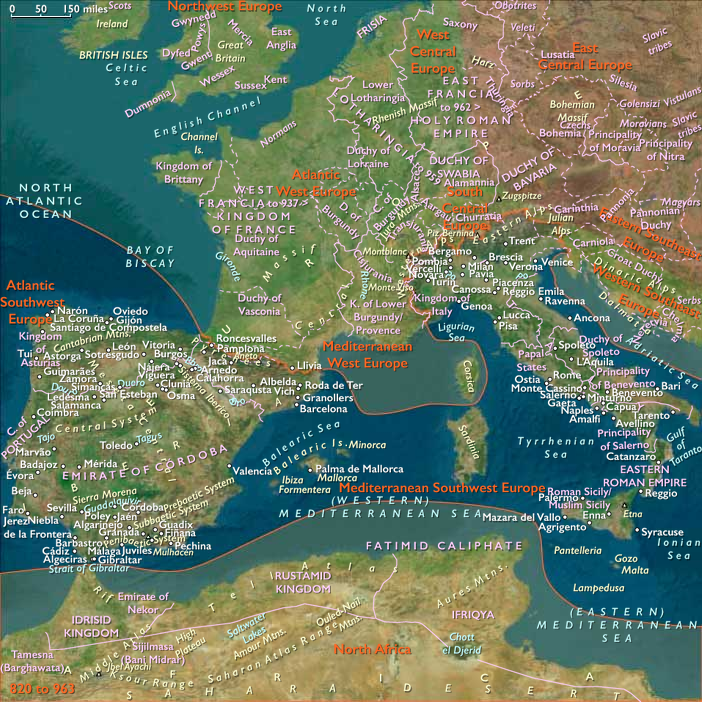
- The Danelaw (Eastern and Northern England) → Established after Alfred the Great cedes half his kingdomto Viking forces following the Treaty of Wedmore in 878 CE.
- Ireland → Viking bases such as Dublin, Waterford, Limerick, Wexford, and Cork evolve into major trading hubs and political centers.
- Normandy (France) → In 911 CE, the Viking leader Rollo is granted lands in northern France by King Charles the Simple, forming the Duchy of Normandy, which becomes a dominant force in medieval Europe.
The Danelaw and the Danegeld: Viking Influence in England
The Danelaw emerges as a Viking-controlled region in England, where Danish settlers introduce Scandinavian customs, laws, and language. Despite a temporary period of peace, Viking attacks resume, forcing English kings to pay Danegeld, a tribute used to bribe Viking armies to prevent further invasions. However, this protection moneyoften fails to stop the Norse incursions, and Viking raids continue into the 11th century.
The Broader Impact of Danish Viking Settlements
These Viking settlements and interactions with European kingdoms foster:
- Cultural Exchange → Norse settlers assimilate into local societies, influencing language, trade, and governance (e.g., Norman culture blending Norse and Frankish elements).
- Economic Integration → Viking trade networks connect Scandinavia to the Mediterranean, the Middle East, and the British Isles, fostering commerce and urban growth.
- Military and Political Conflicts → Viking conquests reshape medieval power structures, leading to Anglo-Saxon resistance, the Norman Conquest of England (1066), and Scandinavian involvement in continental politics.
By the 11th century, Danish Viking influence wanes as Christianization and state formation integrate the Norse world into the medieval European order. However, their legacy remains in place names, legal traditions, and cultural identities, particularly in regions they once ruled.
People
Groups
- Danes (North Germanic tribe)
- Britain, Medieval
- Vikings
- Ireland, medieval
- Francia Occidentalis (West Francia, or France), Kingdom of
- Iceland, pre-Commomwealth
- Normandy, Duchy of
- Icelandic Commonwealth, or Icelandic Free State
- Normans
Topics
- Viking Raids in England, Early
- Viking Raids in Ireland
- Viking Raids in France, Early
- Viking Raids
- Viking Raids in the North Sea
- Viking Raids in Russia
- Viking Raids against Alfred
- Viking Raids in France, Later
- Viking Raids in England, Later
Subjects
Regions
Subregions
- East Europe
- Northeast Europe
- Mediterranean Southwest Europe
- Atlantic Southwest Europe
- Atlantic West Europe
- Northwest Europe
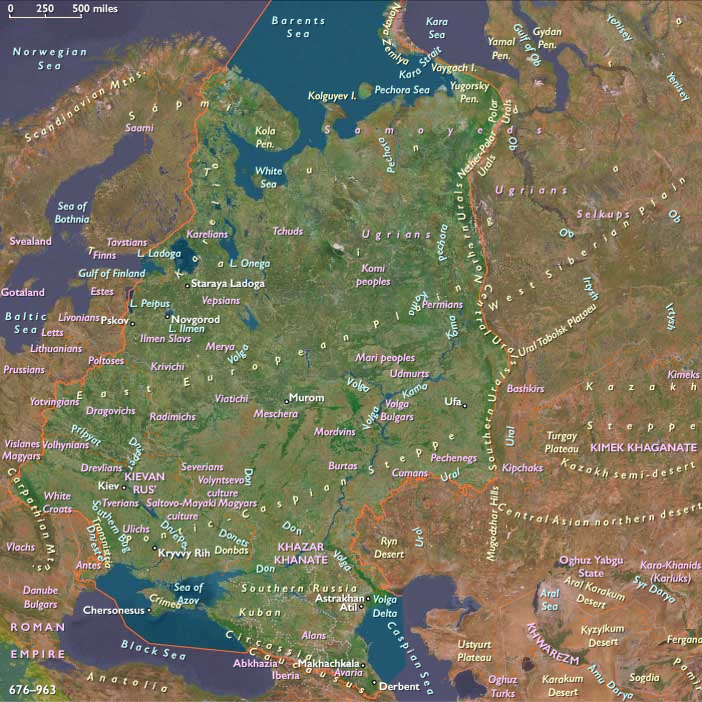
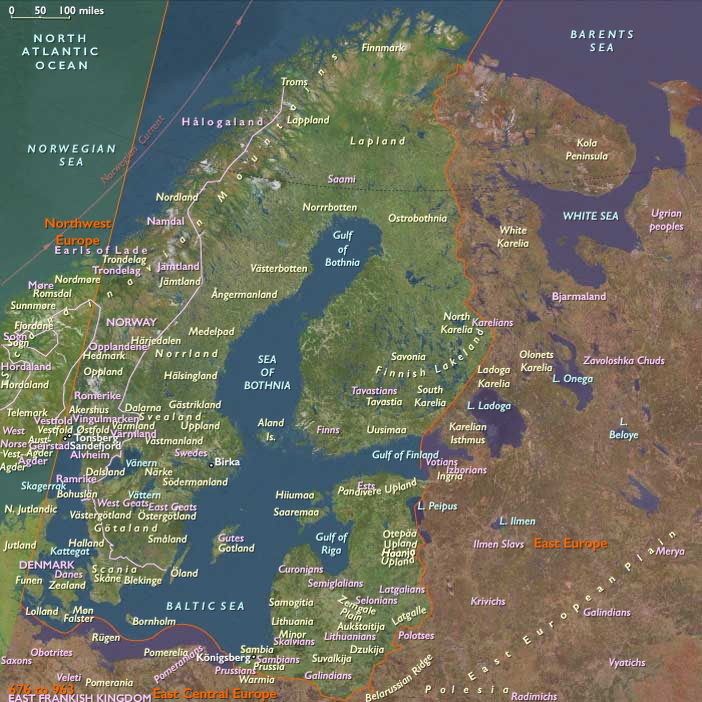
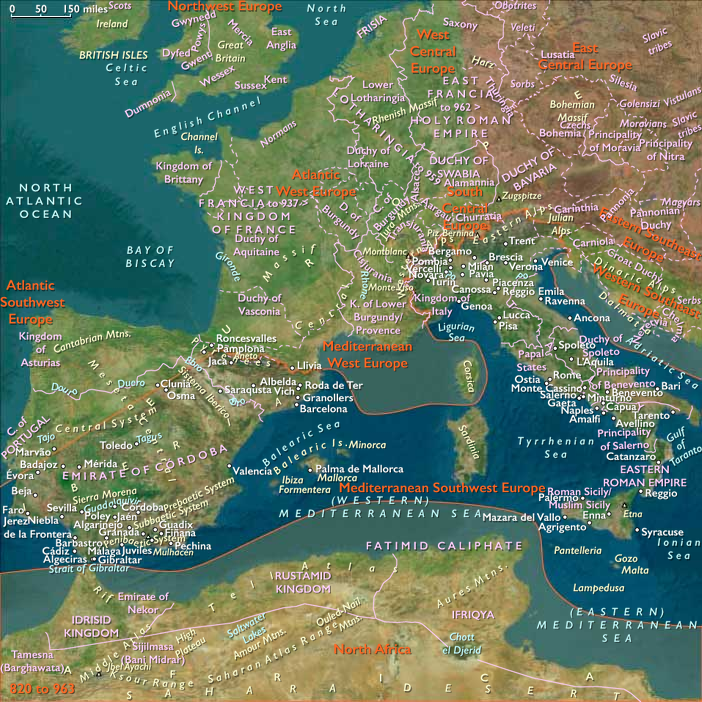


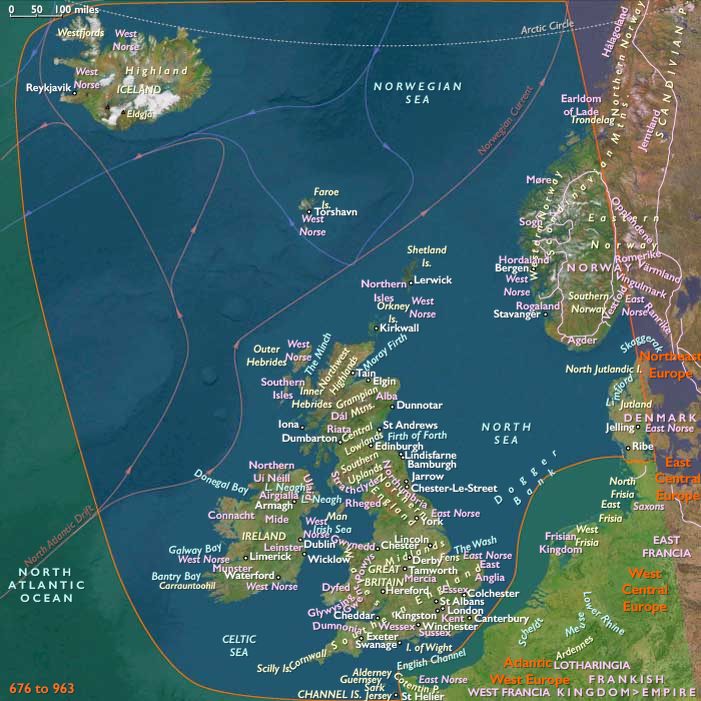
Years: 820 - 963
People
Groups
- Danes (North Germanic tribe)
- Britain, Medieval
- Vikings
- Ireland, medieval
- Francia Occidentalis (West Francia, or France), Kingdom of
- Iceland, pre-Commomwealth
- Normandy, Duchy of
- Icelandic Commonwealth, or Icelandic Free State
- Normans
Topics
- Viking Raids in England, Early
- Viking Raids in Ireland
- Viking Raids in France, Early
- Viking Raids
- Viking Raids in the North Sea
- Viking Raids in Russia
- Viking Raids against Alfred
- Viking Raids in France, Later
- Viking Raids in England, Later
Subjects
Regions
Subregions
- East Europe
- Northeast Europe
- Mediterranean Southwest Europe
- Atlantic Southwest Europe
- Atlantic West Europe
- Northwest Europe