
Filters:
The leaders of both Bohemia's German and …
Years: 1848 - 1848
June
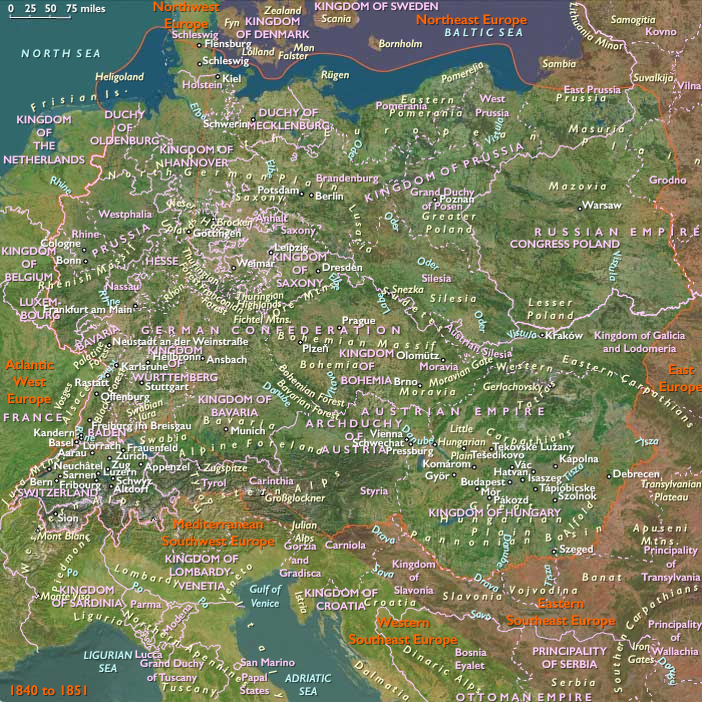
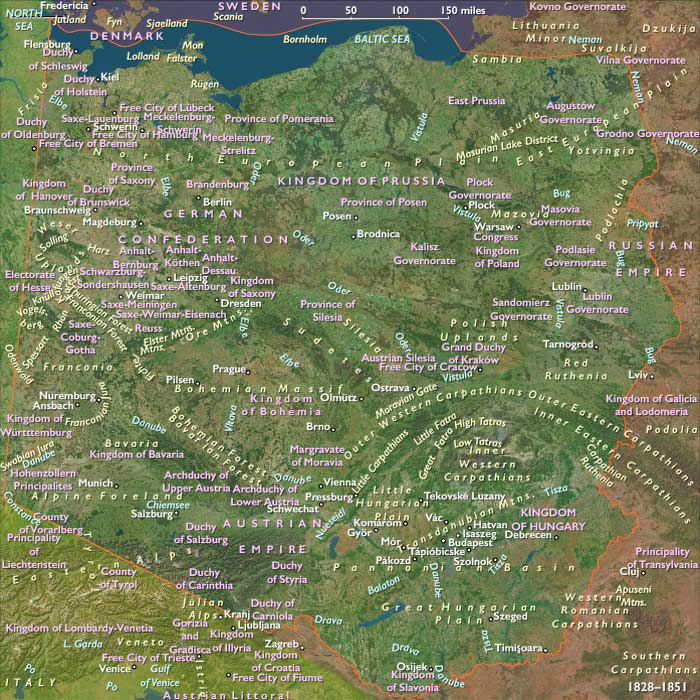
The leaders of both Bohemia's German and Czech nationalist movements are both constitutional monarchists, loyal to the Habsburg Emperor.
Only a few days after the Emperor had reconquered northern Italy, Alfred I, Prince of Windisch-Grätz, takes provocative measures in Prague to prompt street fighting.
Once the barricades go up, he leads Habsburg troops to crush the insurgents.
After having taken back the city, he imposes martial law, orders the Prague National Committee dissolved, and sends delegates to the "Pan-Slavic" Congress home.
These events are applauded by German nationalists, who fail to understand that the Habsburg military will crush their own national movement as well.
Prague is the first victory of counter-revolution in the Austrian Empire.
Only a few days after the Emperor had reconquered northern Italy, Alfred I, Prince of Windisch-Grätz, takes provocative measures in Prague to prompt street fighting.
Once the barricades go up, he leads Habsburg troops to crush the insurgents.
After having taken back the city, he imposes martial law, orders the Prague National Committee dissolved, and sends delegates to the "Pan-Slavic" Congress home.
These events are applauded by German nationalists, who fail to understand that the Habsburg military will crush their own national movement as well.
Prague is the first victory of counter-revolution in the Austrian Empire.
Locations
People
Groups
- Lithuanians (Eastern Balts)
- Germans
- Slavs, West
- Slavs, South
- Poles (West Slavs)
- Czechs [formerly Bohemians] (West Slavs)
- Slovaks (West Slavs)
- Ukrainians (East Slavs)
- Bohemia, Kingdom of
- Austrian Empire
Topics
Subjects
Regions
Subregions
Years: 1848 - 1848
June
Locations
People
Groups
- Lithuanians (Eastern Balts)
- Germans
- Slavs, West
- Slavs, South
- Poles (West Slavs)
- Czechs [formerly Bohemians] (West Slavs)
- Slovaks (West Slavs)
- Ukrainians (East Slavs)
- Bohemia, Kingdom of
- Austrian Empire
Topics
Subjects
Regions
Subregions