
The Powhatan tribe had lived before 1607 …
Years: 1742 - 1742
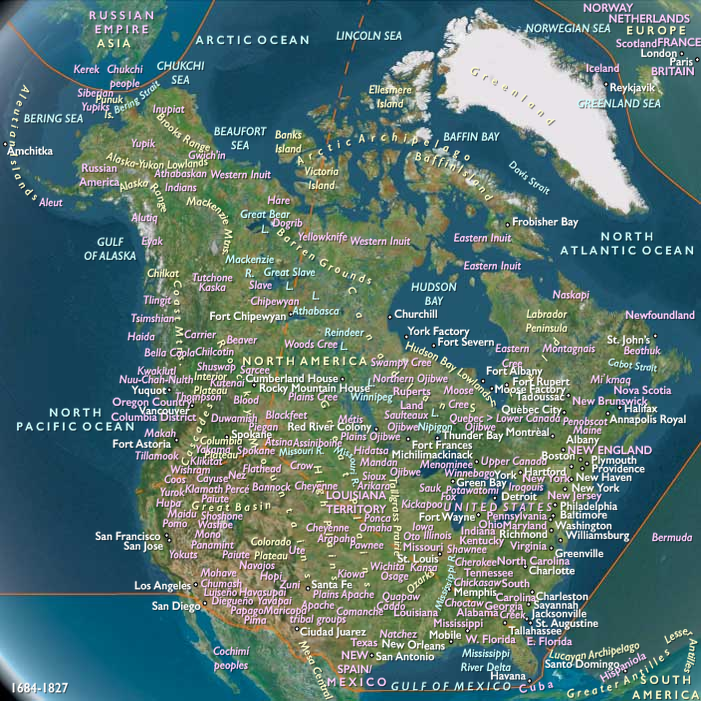
The Powhatan tribe had lived before 1607 in the region of present Richmond, Virginia, with one of their capitals there, known as Powhatan, Shocquohocan, or Shockoe.
James I had granted a royal charter to the Virginia Company of London in 1606 to settle colonists in North America.
After the first permanent English-speaking settlement was established in April 1607, at Jamestown, Captain Christopher Newport had led explorers northwest up the James River, and on May 24, 1607, erected a cross on one of the small islands in the middle of the part of the river that runs through today's downtown area.
Two attempts at English settlement were subsequently made (in 1609 and 1610), but each was abandoned, as the native inhabitants were not willing to give up their capital without a fight.
Colonist John Rolfe began in the 1610s to grow a sweeter variety of tobacco at Henricus, and it became a lucrative commodity in the tidewater region, driving further expansion.
Fort Charles was erected in 1645, at the falls of the James—the highest navigable point of the James River—as a frontier defense.
New settlers had moved in, and the community has grown into a bustling trading post for furs, hides, and tobacco.
Planter William Byrd II in 1737 had commissioned Major William Mayo to lay out the original town grid.
Byrd named the city "Richmond" after the English town of Richmond near (and now part of) London, because the view of the James River was strikingly similar to the view of the River Thames from Richmond Hill in England, where he had spent time during his youth.
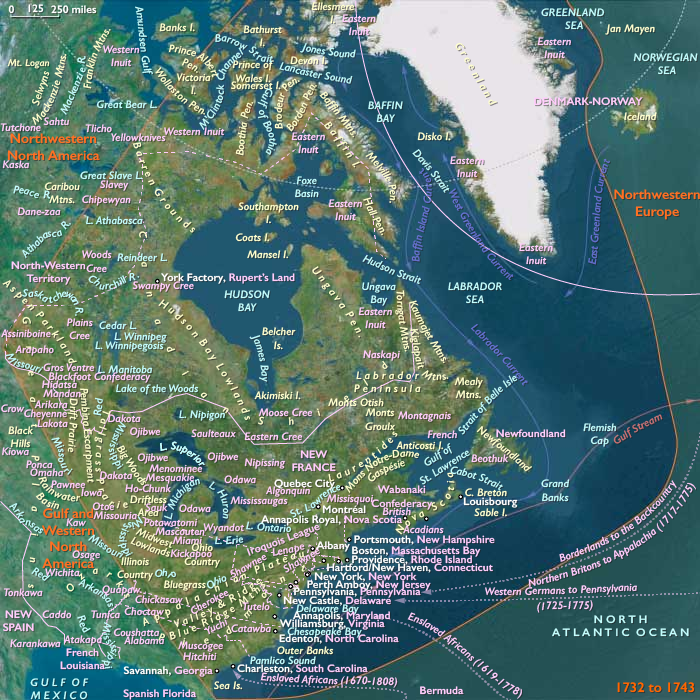
The settlement was laid out in April 1737, and is incorporated as a town in 1742.
Early trade grows rapidly, primarily in the agriculture sector, but also in the slave trade.
Enslaved Africans are imported to Richmond's Manchester docks, and are bought and sold at the same market.
Locations
Groups
Topics
Commodoties
Subjects
Regions
Subregions
Years: 1742 - 1742
Locations
Groups
Topics
Commodoties
Subjects
Regions
Subregions