
The Great Famine of 1315–1322: A Catastrophe …
Years: 1312 - 1323
The Great Famine of 1315–1322: A Catastrophe in Northern Europe
Between 1310 and 1330, Northern Europe endured some of the worst and most sustained periods of bad weatherin the entire Middle Ages. Characterized by severe winters, prolonged rainfall, and unseasonably cold summers, this climatic shift devastated agriculture, leading to widespread famine and social unrest.
The Onset and Duration of the Crisis
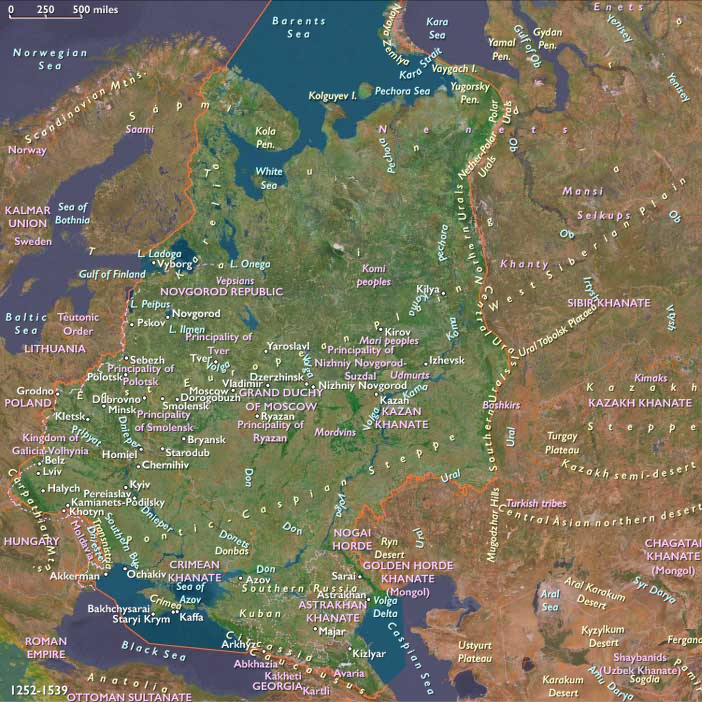
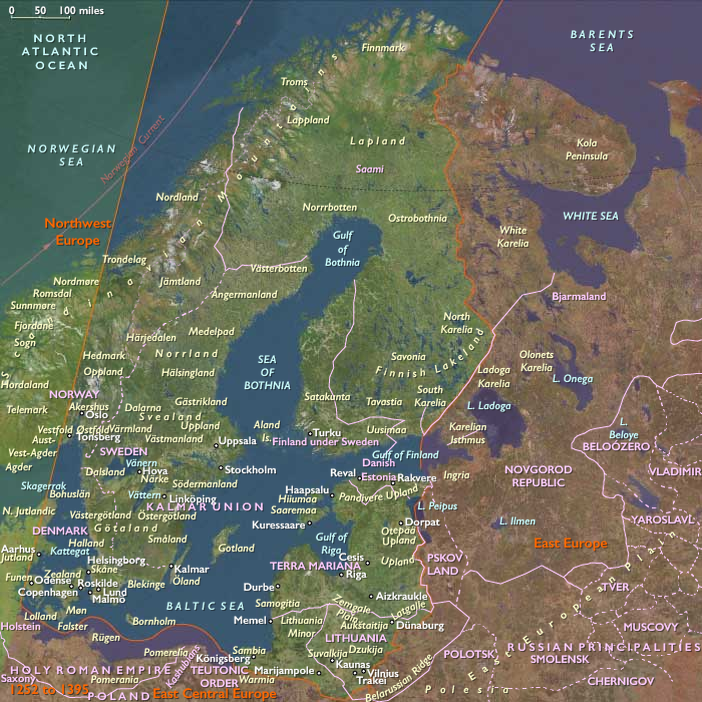
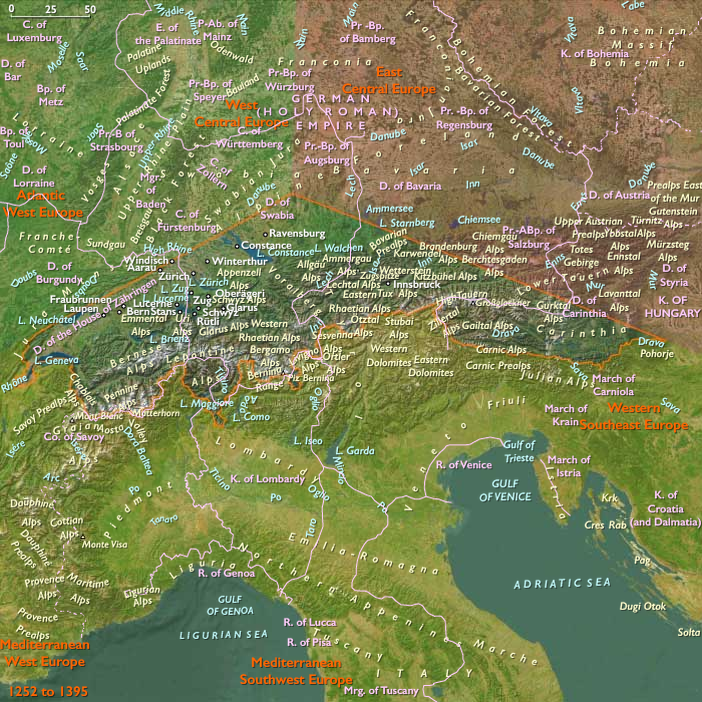
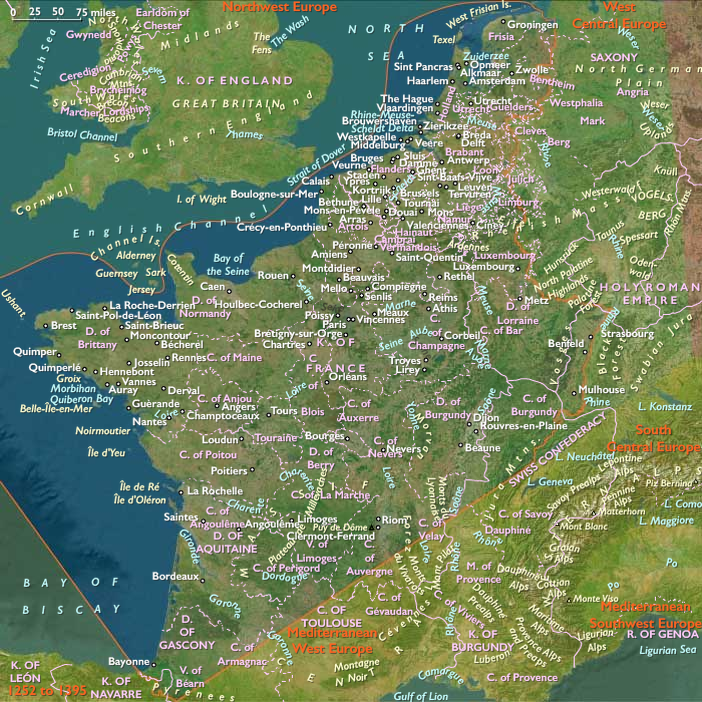
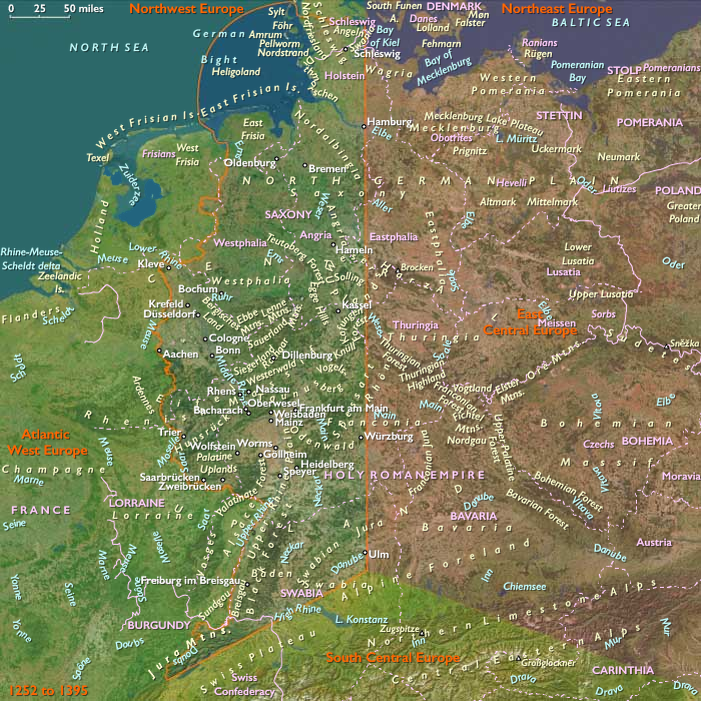
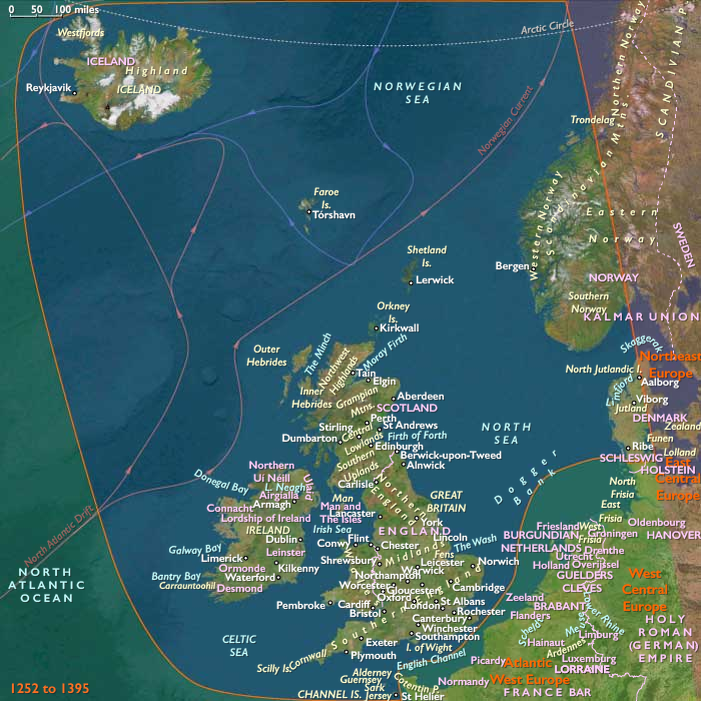
The Great Famine—which affected Northern Europe from Russia to Ireland and from Scandinavia to the Alps and Pyrenees—began with unrelenting rains in the spring of 1315. These conditions led to universal crop failures, which persisted through 1316 and only saw partial recovery by the summer of 1317. Europe, however, did not fully recover until 1322, as successive failed harvests, disease outbreaks, and economic strain prolonged the crisis.
The Consequences: Crime, Death, and Social Breakdown
The famine triggered a period of extreme hardship, marked by:
- Mass starvation, as food supplies dwindled and prices soared beyond affordability.
- Increased criminal activity, including banditry and grain theft, as desperation fueled lawlessness.
- Outbreaks of disease, exacerbated by malnutrition and weakened immune systems.
- Infanticide and cannibalism, recorded in both chronicles and legal accounts as the most extreme expressions of human suffering.
Long-Term Impact on Church, State, and Society
The Great Famine shook the foundations of medieval European society, undermining faith in both secular and ecclesiastical leadership:
- The Church’s moral authority was weakened, as its prayers and processions failed to alleviate the crisis, leading to growing disillusionment and religious anxieties.
- Monarchical and feudal governments struggled to maintain order, as taxes, grain requisitions, and failed relief efforts deepened popular resentment.
- Demographic decline and economic stagnation weakened labor markets, trade networks, and feudal obligations.
A Prelude to Greater Calamities
The famine’s lasting effects primed Europe for future disasters in the 14th century. With a weakened population and economy, societies were left more vulnerable to subsequent crises, including the Black Death (1347–1351), which would further transform medieval Europe’s social and economic landscape.
Groups
Topics
Commodoties
Subjects
Regions
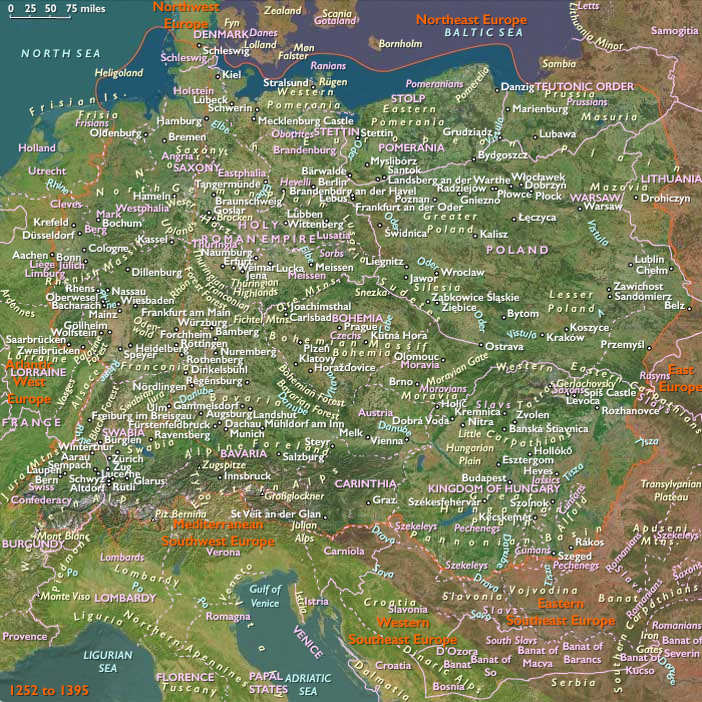
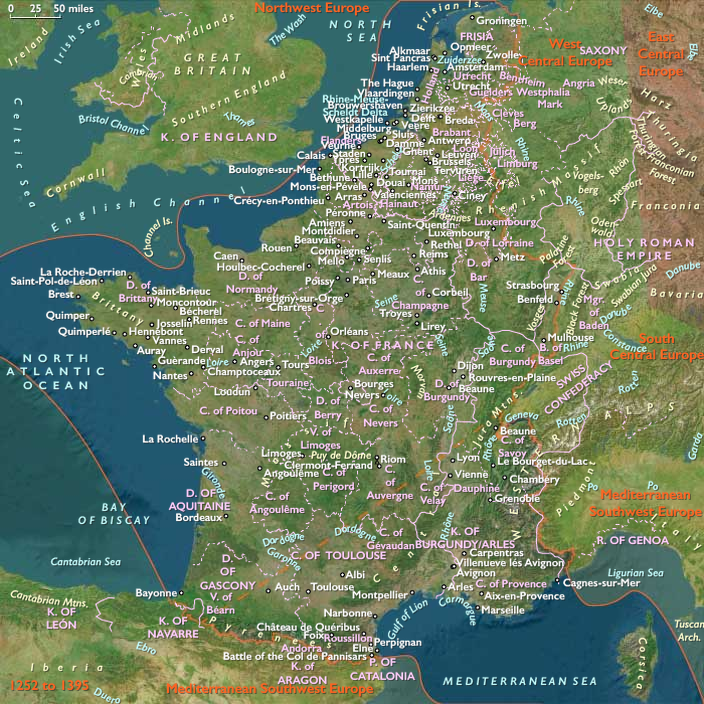
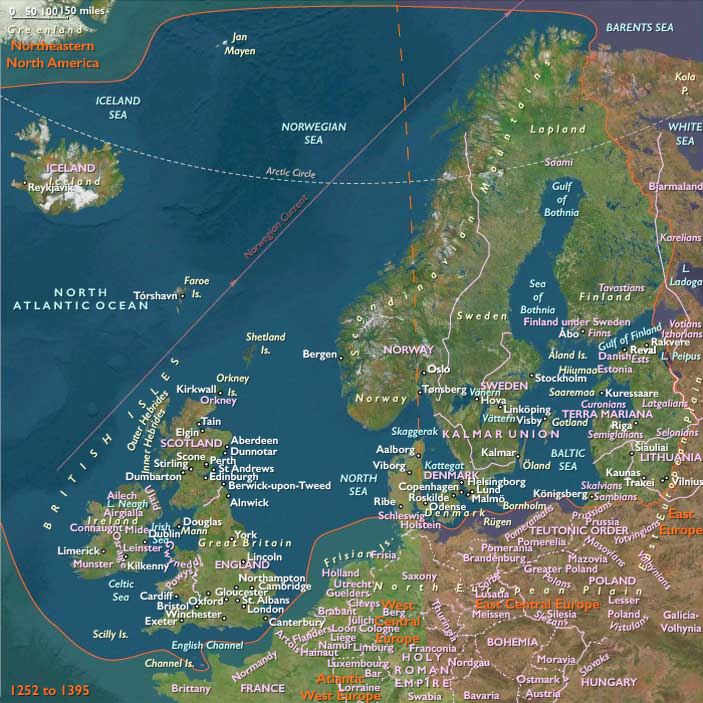
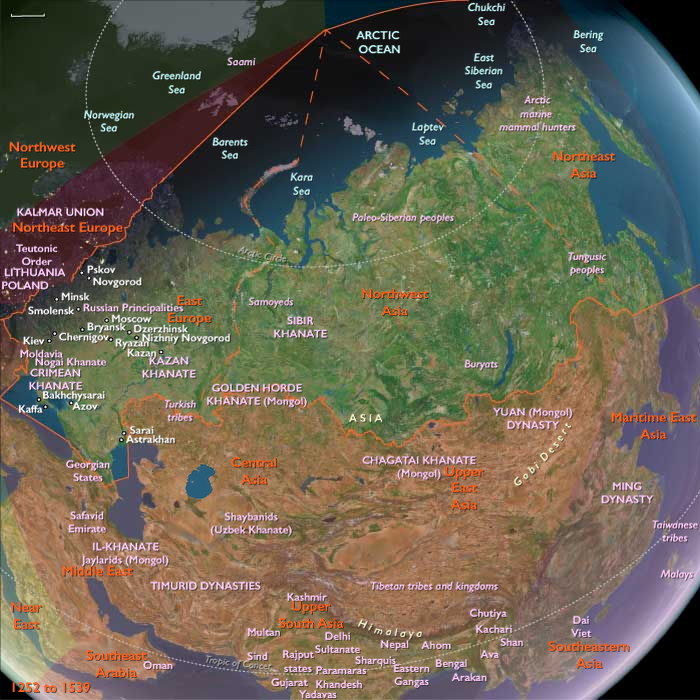
Subregions
- East Europe
- Northeast Europe
- South Central Europe
- Atlantic West Europe
- West Central Europe
- Northwest Europe
Years: 1312 - 1323
Groups
Topics
Commodoties
Subjects
Regions
Subregions
- East Europe
- Northeast Europe
- South Central Europe
- Atlantic West Europe
- West Central Europe
- Northwest Europe