
The Polish-Ottoman War of 1672-16 has showed …
Years: 1677 - 1677
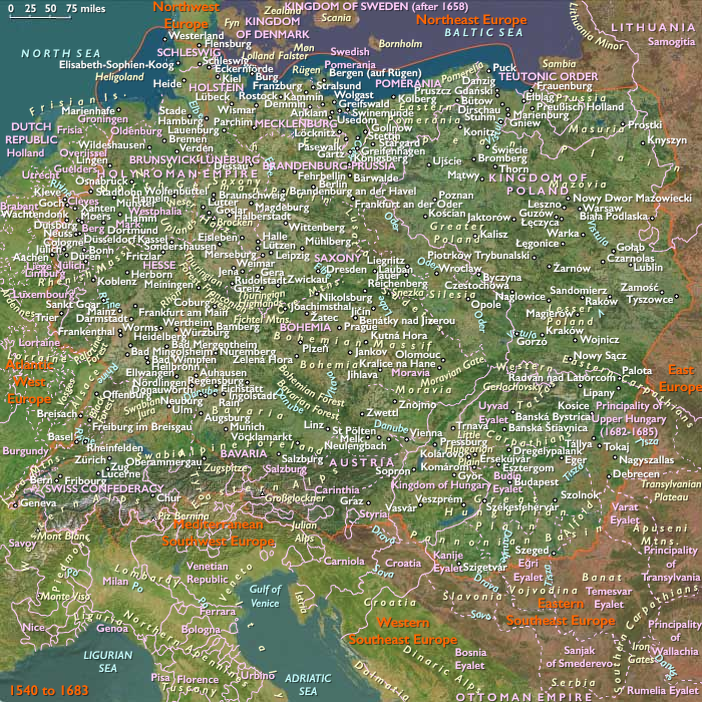
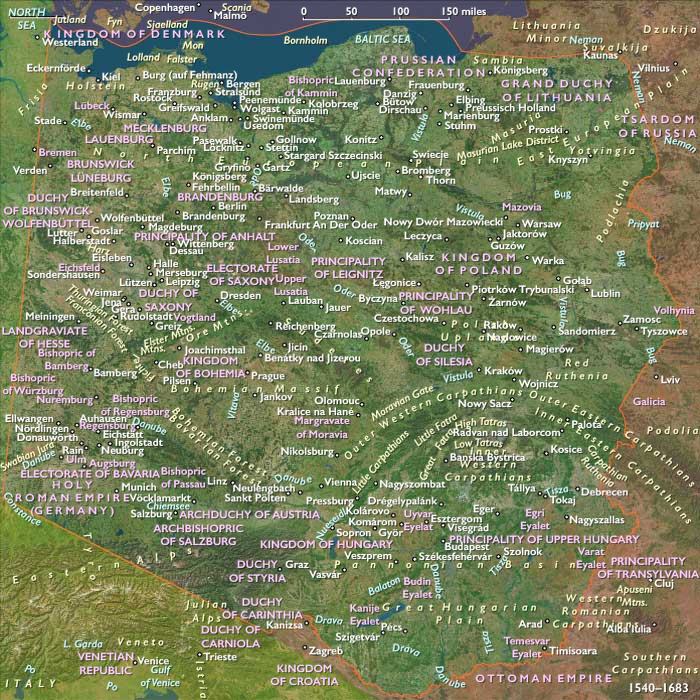
The Polish-Ottoman War of 1672-16 has showed the increasing weakness and disorder of the Commonwealth, which by the second half of the seventeenth century had started the gradual decline that is to culminate a century later in the partitions of Poland.
The unruly Sejm, paralyzed by liberum veto and foreign bribery, is dominated by politicians who think in short term gains only and constantly refuse the funds to raise an army, as it appears that most of the Commonwealth will not be ravaged by the Ottoman armies.
Even after the unfavorable Buczacz treaty, which had persuaded the Sejm to raise the taxes, once initial successes were achieved, the majority of the Sejm again couldn't be convinced to keep up the pressure on the enemy; soldiers are left unpaid and desertions on a mass scale negatively affect the Polish cause.
This apparent inability to defend itself, also seen in the other recent and future conflicts involving the Commonwealth, increasingly invites foreign forces to prey on the country.
Locations
People
- Charles V, Duke of Lorraine
- John III Sobieski
- Köprülü Fazıl Ahmed
- Leopold I
- Mehmed IV Acvi
- Michael Korybut Wiśniowiecki
Groups
- Crimean Khanate
- Ottoman Empire
- Cossacks, Zaporozhian
- Polish-Lithuanian Commonwealth (Commonwealth of the Two Nations)
- France, (Bourbon) Kingdom of
- Habsburg Monarchy, or Empire
Topics
Commodoties
Subjects
Regions
Subregions
Years: 1677 - 1677
Locations
People
- Charles V, Duke of Lorraine
- John III Sobieski
- Köprülü Fazıl Ahmed
- Leopold I
- Mehmed IV Acvi
- Michael Korybut Wiśniowiecki
Groups
- Crimean Khanate
- Ottoman Empire
- Cossacks, Zaporozhian
- Polish-Lithuanian Commonwealth (Commonwealth of the Two Nations)
- France, (Bourbon) Kingdom of
- Habsburg Monarchy, or Empire
Topics
Commodoties
Subjects
Regions
Subregions