
The Fall of the Gallic Empire (268–274 …
Years: 268 - 279
The Fall of the Gallic Empire (268–274 CE)
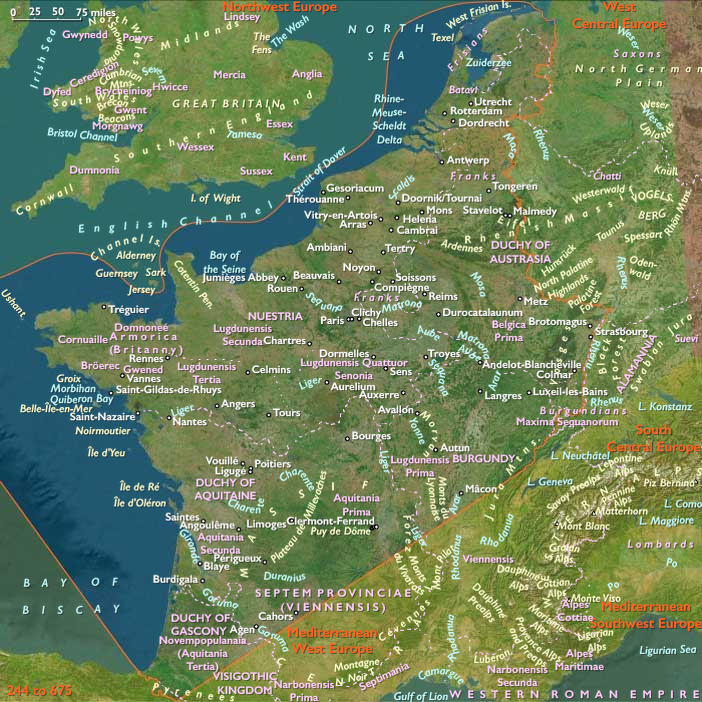
The Gallic Empire (260–274 CE), a breakaway state that emerged during the Crisis of the Third Century, began to unravel following the assassination of its founding emperor, Postumus, in 268 CE. Despite losing much of its territory, the Gallic Empire persisted under various emperors and usurpers until it was reabsorbed into the Roman Empire by Emperor Aurelian in 274 CE after the Battle of Châlons.
The Decline of the Gallic Empire (268–273 CE)
-
The Assassination of Postumus (268 CE) and Loss of Territory
- Postumus (r. 260–268 CE) had established the Gallic Empire, ruling over Gaul, Britain, and parts of Hispania.
- He was assassinated by his own troops in 268 CE, reportedly for refusing to let them sack the city of Mainz after a rebellion.
- His successor, Marius, reigned for only a few days or months before being killed by Victorinus, who then took power.
-
Victorinus (268–270 CE) and Continued Decline
- Victorinus struggled to maintain control, facing internal revolts and the loss of Hispania, which returned to Roman loyalty.
- He was murdered in 270 CE, possibly as part of a political conspiracy.
-
Tetricus I (270–274 CE) and the Final Years
- Tetricus I took over as the last emperor of the Gallic Empire, ruling alongside his son, Tetricus II.
- He faced continued instability and pressure from both internal enemies and the renewed power of the central Roman Empire under Aurelian.
The Battle of Châlons and Aurelian’s Reconquest (274 CE)
- Emperor Aurelian (r. 270–275 CE) launched a campaign to restore the unity of the empire, defeating the Palmyrene Empire in the East before turning his attention to Gaul.
- Tetricus I, realizing his weak position, may have secretly negotiated with Aurelian, as suggested by later sources.
- At the Battle of Châlons (274 CE), the Gallic forces were decisively defeated.
- Tetricus I and his son surrendered, and the Gallic Empire was formally reintegrated into Rome.
Significance and Aftermath
- The fall of the Gallic Empire marked the beginning of the end of the Crisis of the Third Century.
- Aurelian’s victories reunified the empire, reinforcing Roman military and political stability.
- However, the regional instability that led to the formation of the Gallic Empire would persist, setting the stage for later fractures of the Western Roman Empire in the 5th century.
Though the Gallic Empire ultimately failed, it was a precursor to the later breakdown of imperial unity, demonstrating the growing power of regional military leaders and the weakening of central Roman authority.
People
Groups
Topics
- Crisis of the Third Century (Roman Civil “War” of 235-84)
- Aurelian's War against Tetricus
- Chalons, Battle of
Subjects
Regions
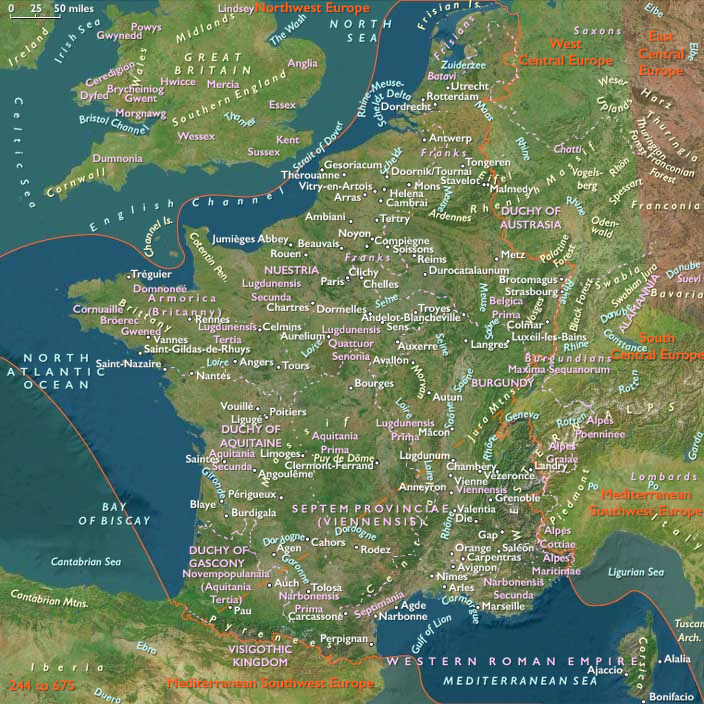
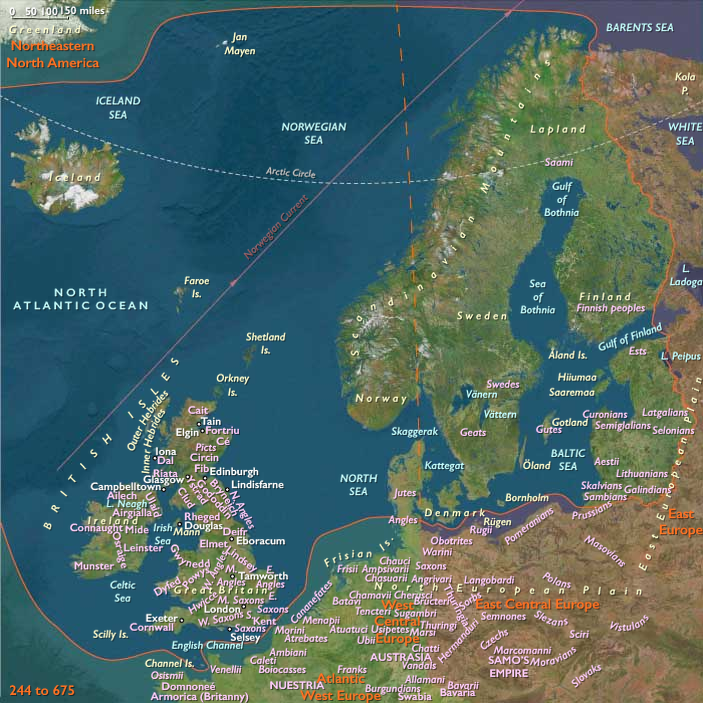
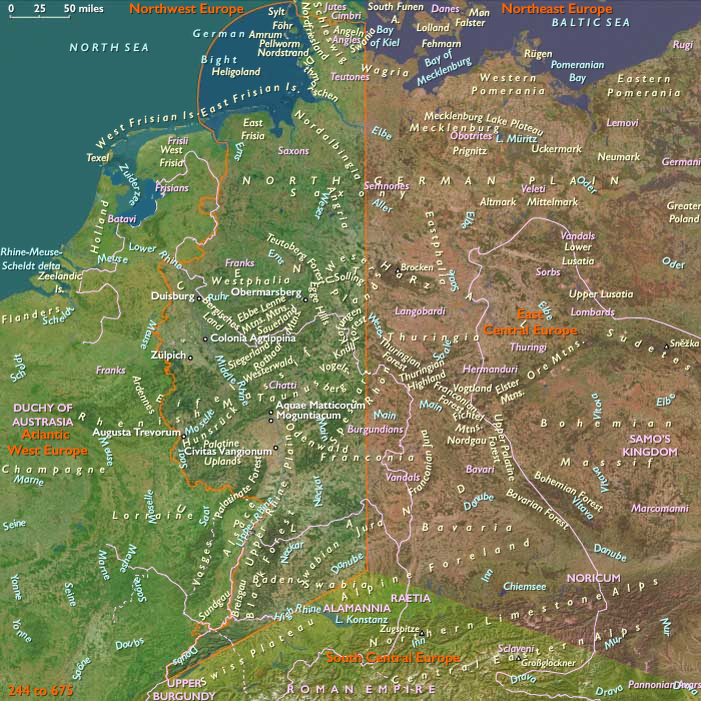
Subregions
Related Events
Showing 10 events out of 60280 total
Years: 268 - 279
People
Groups
Topics
- Crisis of the Third Century (Roman Civil “War” of 235-84)
- Aurelian's War against Tetricus
- Chalons, Battle of
Subjects
Regions
Subregions