
The Plague of Cyprian (c. 249–270 CE): …
Years: 244 - 255
The Plague of Cyprian (c. 249–270 CE): A Devastating Pandemic in the Roman Empire
The Plague of Cyprian, which struck the Roman Empire between 249 and 270 CE, was one of the most severe epidemics of antiquity, comparable in scale to the Antonine Plague of 165–180 CE. Though considered a separate outbreak, it was likely caused by a similar pathogen, with modern theories suggesting smallpox or measles as the probable culprits.
Symptoms and Saint Cyprian’s Account
- Saint Cyprian, bishop of Carthage, provided the most vivid eyewitness description of the disease.
- According to his writings, symptoms included:
- Severe dysentery
- Loss of motor skills
- High fever
- Unlike the Antonine Plague, Cyprian does not mention skin rashes or swelling, which distinguishes it from bubonic plague.
The disease spread rapidly due to skin contact, exacerbated by the densely populated cities of the Roman Empire.
Origins and Geographic Spread
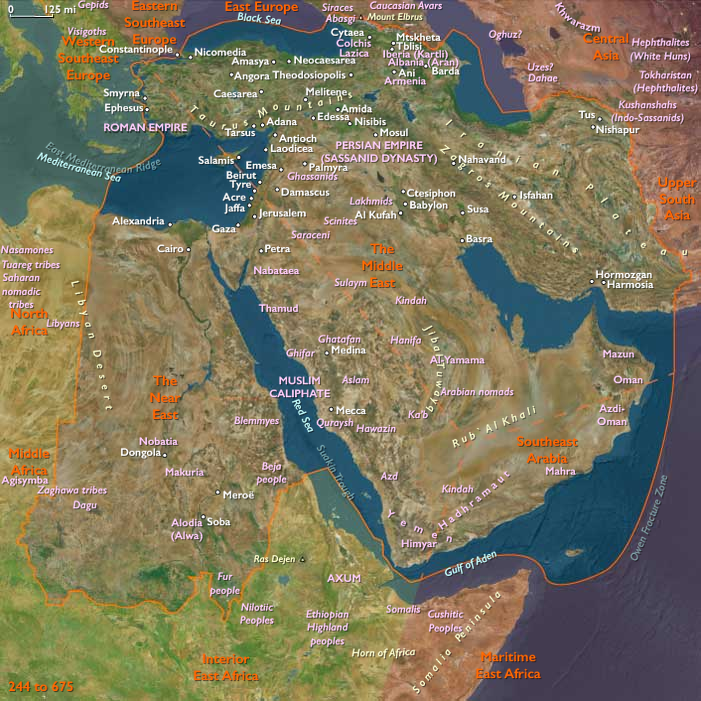
- The plague may have originated in Ethiopia, following a pattern similar to other historical pandemics.
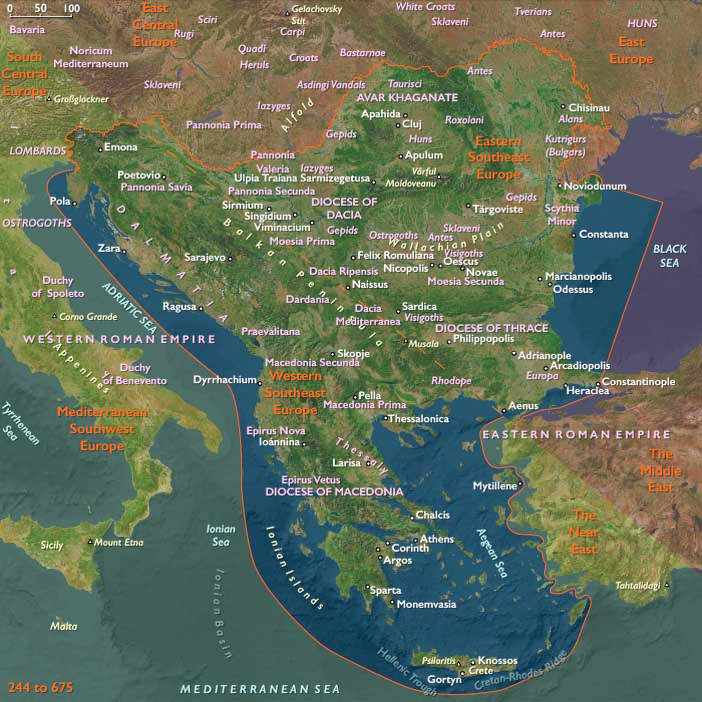
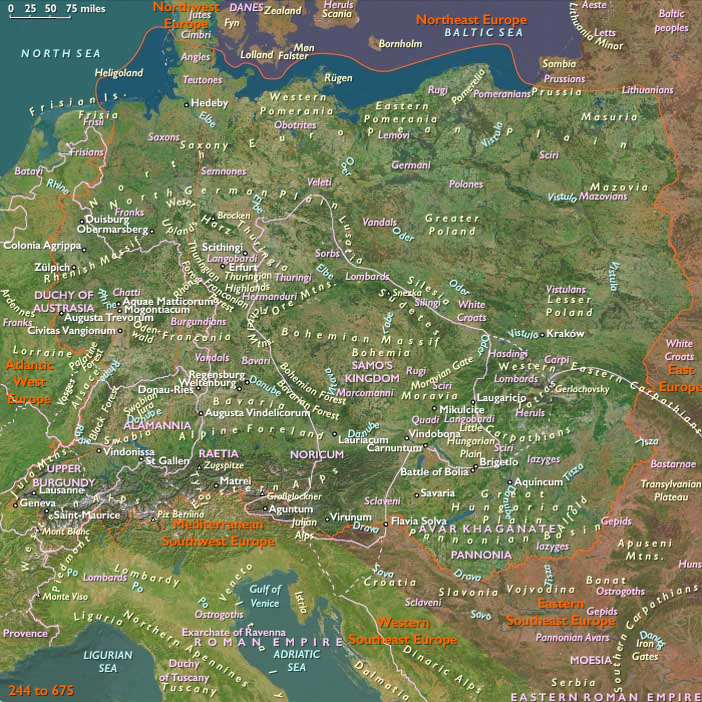
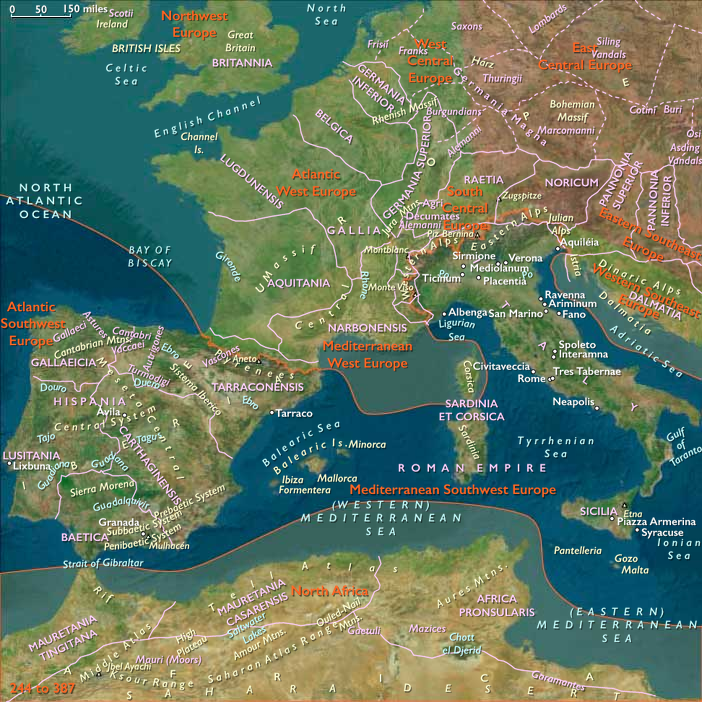
- From Africa, it spread across Egypt and the Roman provinces, reaching as far as Scotland.
- The extensive Roman road and maritime trade networks facilitated the rapid transmission of the diseaseacross the empire.
Impact on the Roman Empire
- Massive Death Toll: The death toll was staggering, with thousands dying daily in Rome alone.
- Military Weakness:
- The Roman army was severely affected, with soldiers dying in large numbers.
- This weakened Rome’s ability to defend its frontiers, leaving it vulnerable to barbarian invasions.
- Economic and Social Collapse:
- The plague disrupted agriculture and trade, leading to food shortages and inflation.
- The empire’s population shrunk drastically, further destabilizing urban centers.
Religious and Cultural Impact
- Christianity Gains Strength:
- The plague increased Christian conversions, as Christians were seen caring for the sick while pagans often abandoned the infected.
- Some linked the epidemic to divine punishment, fueling both Christian persecution and its eventual resilience.
- Persecution of Christians:
- Emperor Decius (r. 249–251 CE) blamed the Christians for angering the gods, leading to one of the most severe Christian persecutions of the 3rd century.
Long-Term Consequences
- The Plague of Cyprian severely weakened the Roman Empire, accelerating the Crisis of the Third Century (235–284 CE).
- The combination of disease, military defeats, and economic collapse nearly led to the empire’s disintegration.
- Rome would eventually recover, but the plague set the stage for the empire’s long-term decline, demonstrating the devastating impact of pandemics on ancient civilizations.
The Plague of Cyprian was one of the defining disasters of Late Antiquity, contributing to profound social, political, and religious transformations within the Roman world.
Groups
Topics
Subjects
Regions


Subregions
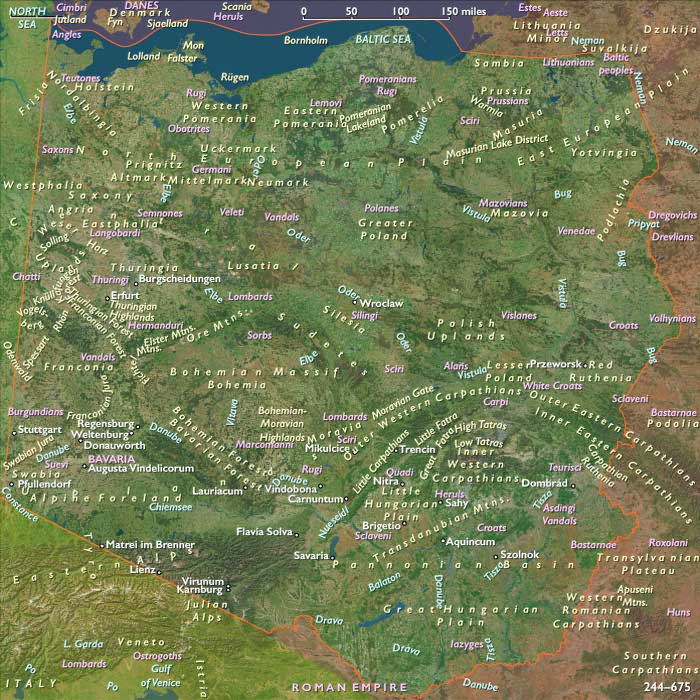
- East Central Europe
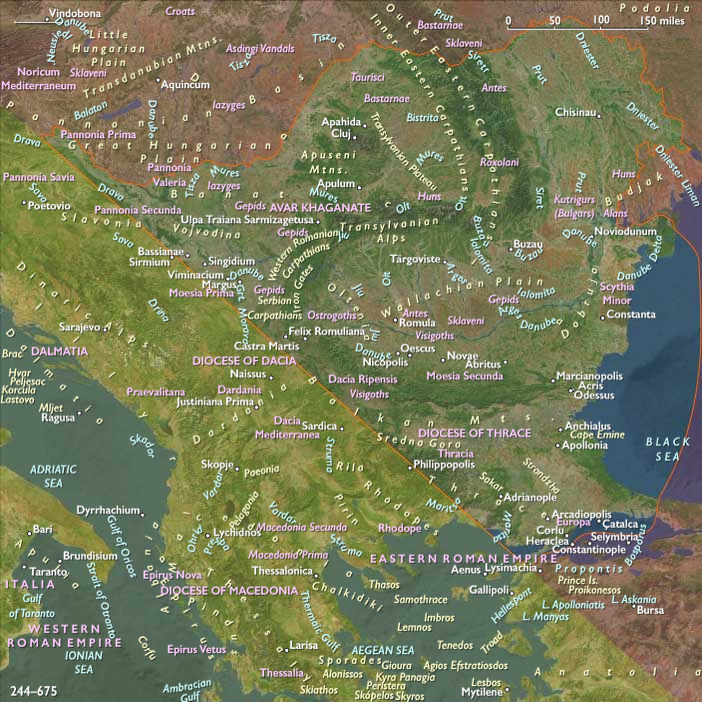
- Eastern Southeast Europe
- Middle East
- Western Southeast Europe
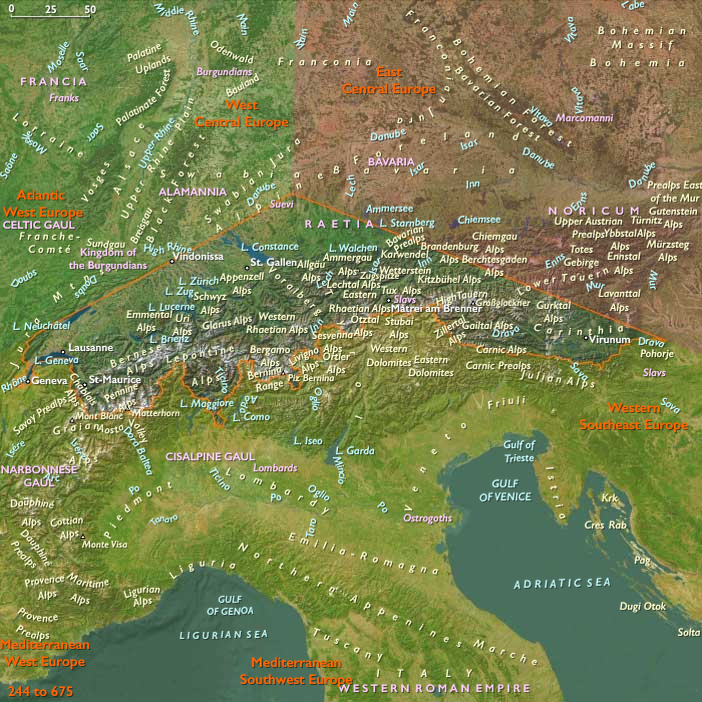
- South Central Europe
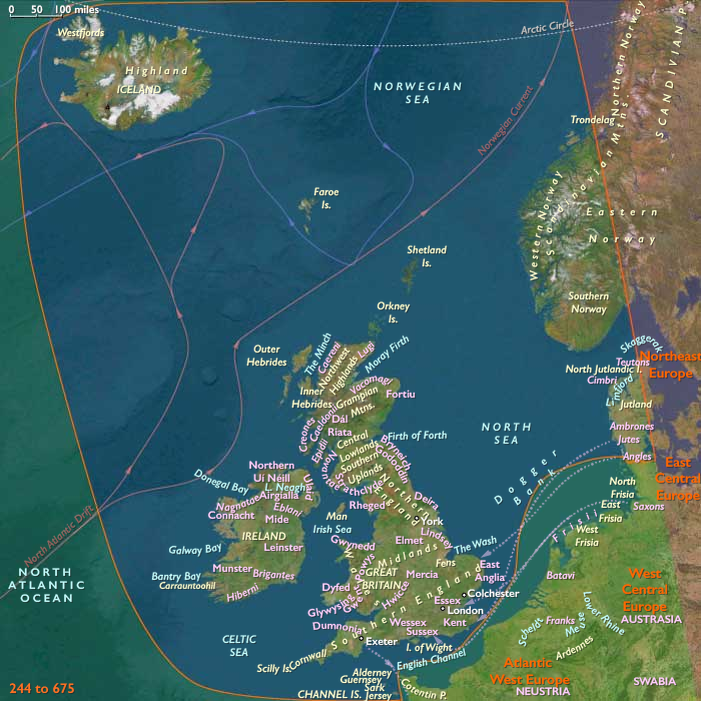
- Atlantic West Europe
- West Central Europe
- Northwest Europe




Related Events
Showing 10 events out of 60511 total
Years: 244 - 255
Groups
Topics
Subjects
Regions
Subregions
- East Central Europe
- Eastern Southeast Europe
- Middle East
- Western Southeast Europe
- South Central Europe
- Atlantic West Europe
- West Central Europe
- Northwest Europe