
Filters:
The Piora Oscillation: A Sudden Cold and …
Years: 3213BCE - 3070BCE
The Piora Oscillation: A Sudden Cold and Wet Event in the Holocene (c. 3200–2900 BCE)
The Piora Oscillation was an abrupt cold and wet climatic event occurring between c. 3200 BCE and 2900 BCE, marking one of the most significant climate disruptions of the late Neolithic and early Bronze Age.
Discovery and Alpine Evidence
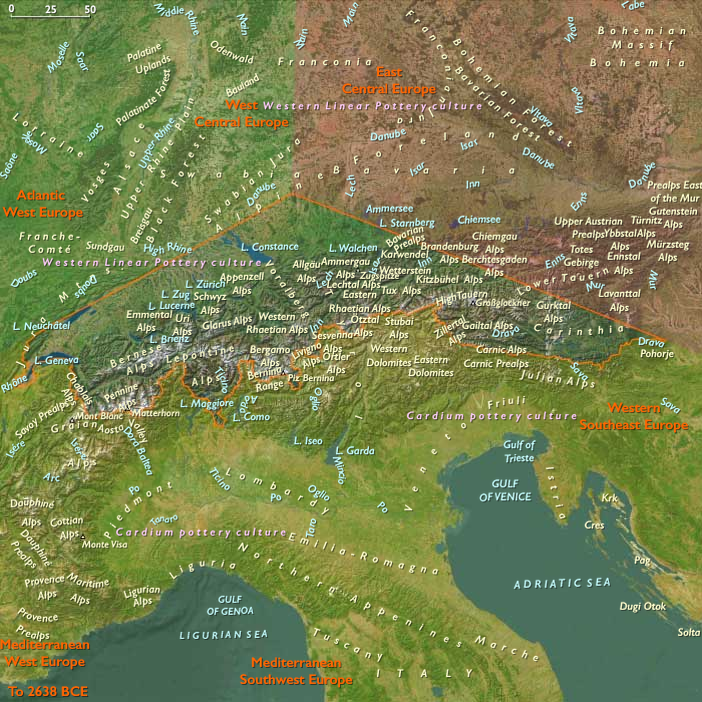
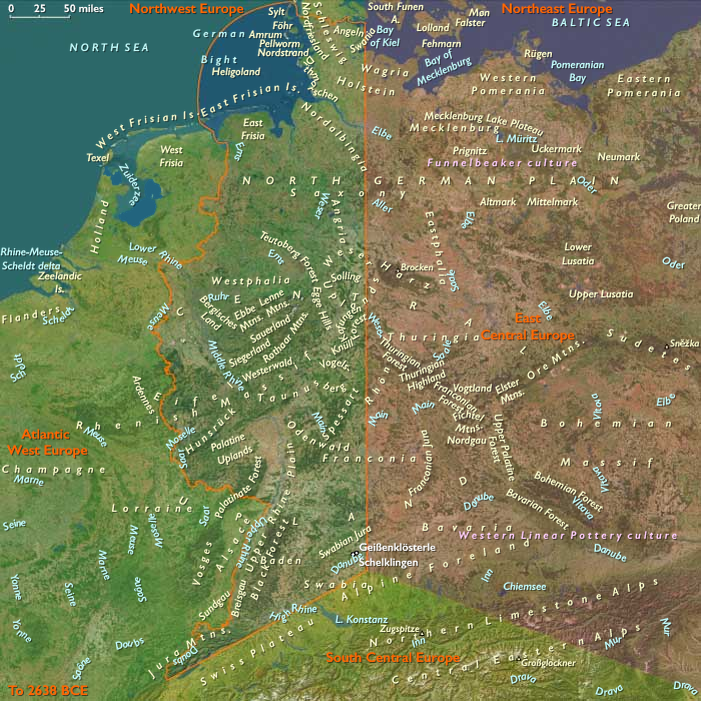
- Named after Val Piora (Piora Valley) in Switzerland, where it was first detected.
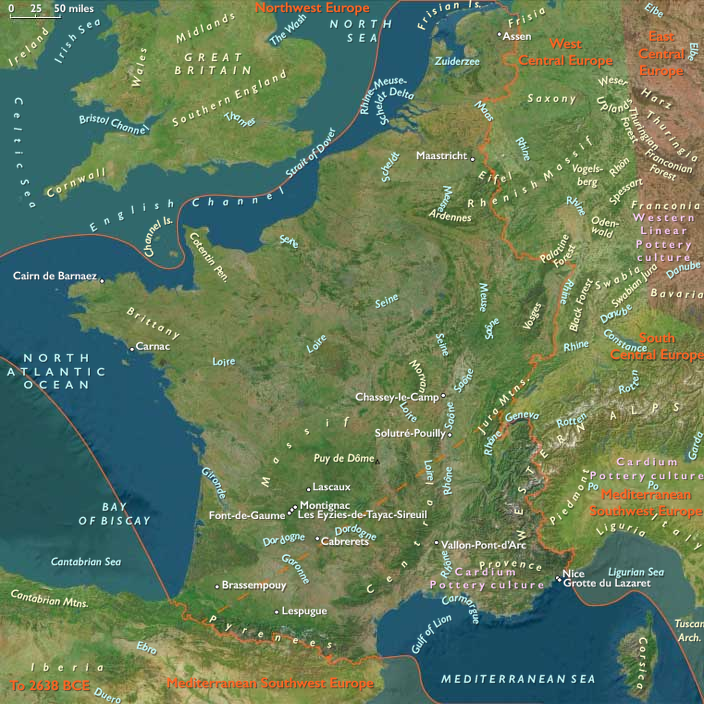
- Some of the most dramatic evidence comes from the Alps, where:
- Glaciers advanced for the first time since the Holocene Climatic Optimum.
- The Alpine tree line dropped by 100 meters, signaling a shift to colder conditions.
Global Climatic Impact
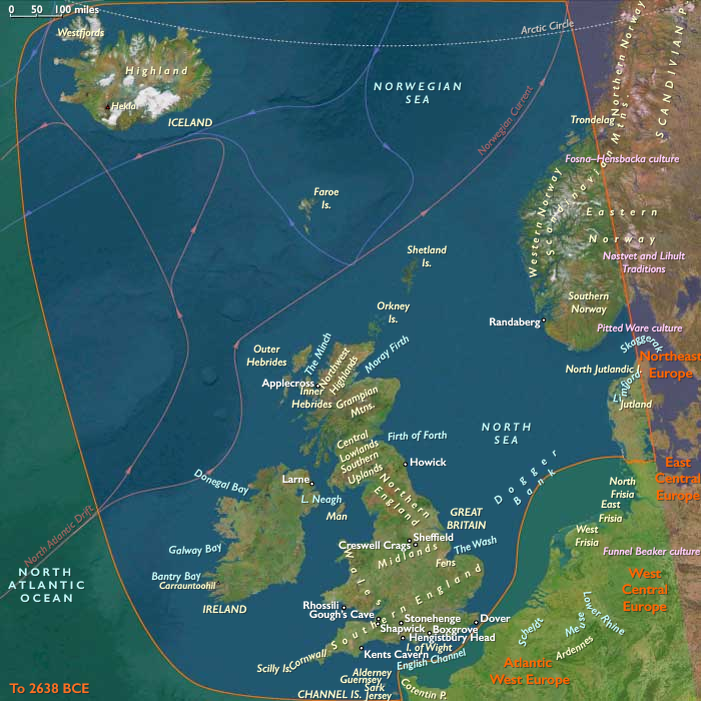
The Piora Oscillation was not confined to Europe—it had far-reaching consequences across multiple continents:
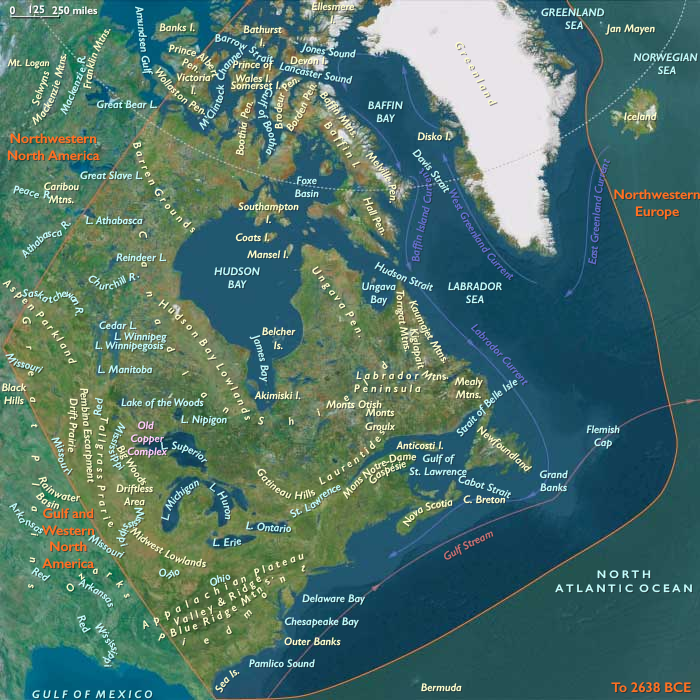
- North America:
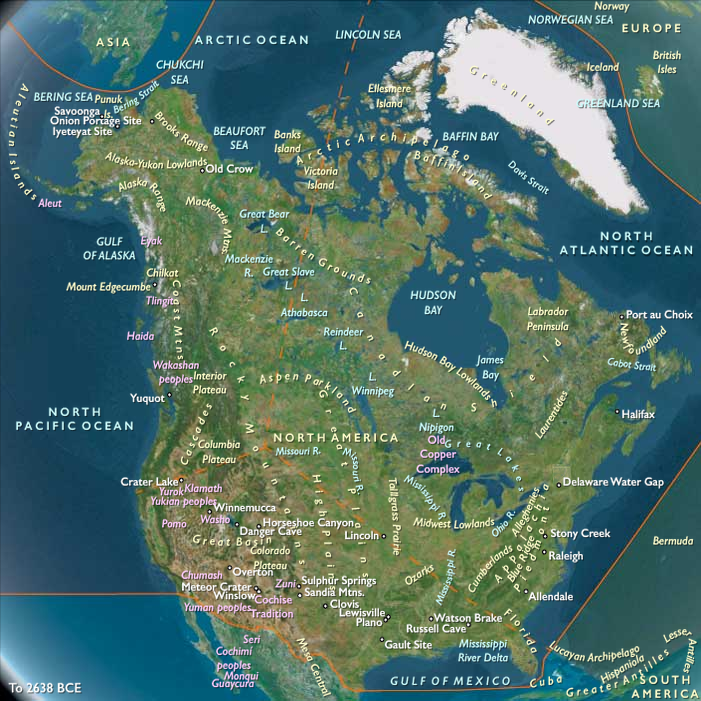
- The New England region saw a dramatic decline in hemlock and elm trees, suggesting environmental stress.
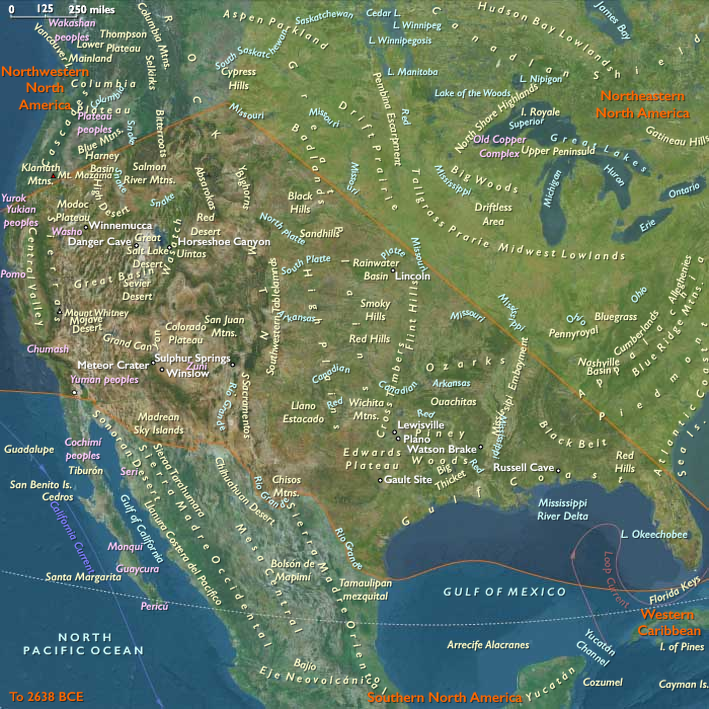
- California and Other Regions:
- Similar changes in flora occurred, with some shifts proving permanent.
- Near East:
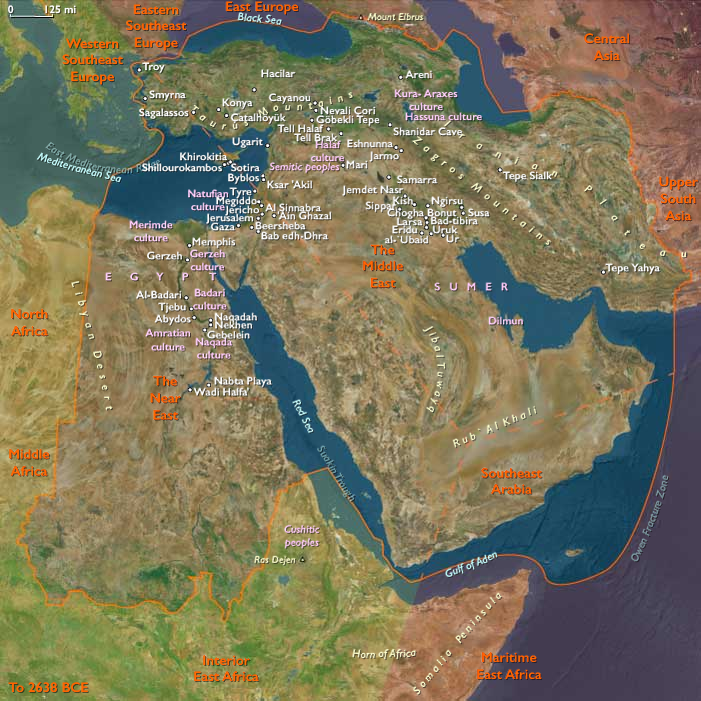
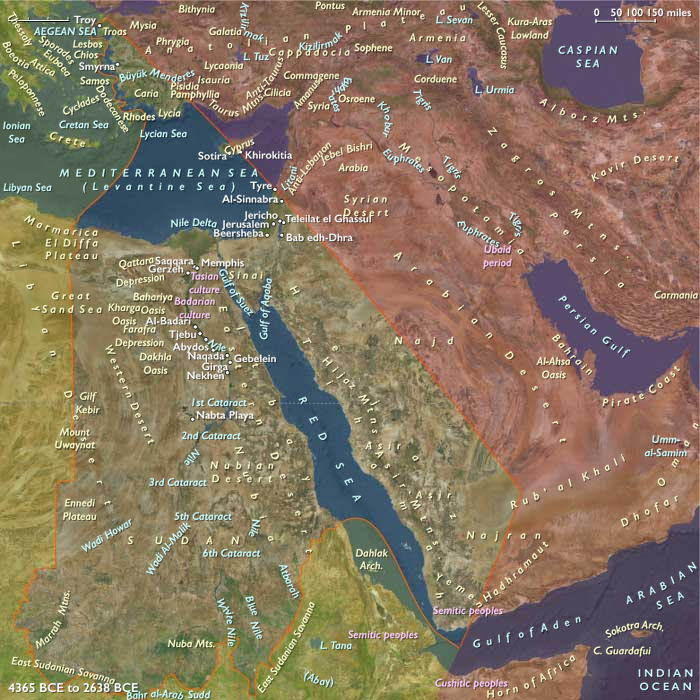
- The Dead Sea’s water level rose by nearly 100 meters (300 feet) before receding to a more usual level, indicating major hydrological fluctuations in the region.
Potential Effects on Human Societies
- Agricultural Disruptions – Cooler, wetter conditions may have affected early farming communities, altering crop yields and settlement patterns.
- Migration and Cultural Shifts – The climate instability may have triggered human migrations or cultural adaptations, particularly in early Bronze Age societies.
- Flooding and Hydrological Changes – Rising water levels in key regions could have influenced river-based civilizations, such as those in Mesopotamia and the Levant.
The Piora Oscillation serves as an example of how abrupt climate change events have historically shaped human and environmental development, demonstrating the complex interplay between climate, ecosystems, and civilization.
Topics
- Subboreal Period during the Neolithic Subpluvial
- Early Bronze Age I (Near and Middle East)
- Piora Oscillation ending the Neolithic Subpluvial
- Subboreal Period
Subjects
Regions
Subregions
- Near East
- South Central Europe
- Mediterranean West Europe
- Atlantic West Europe
- West Central Europe
- Northwest Europe
- Northeastern North America
- Gulf and Western North America
Years: 3213BCE - 3070BCE
Topics
- Subboreal Period during the Neolithic Subpluvial
- Early Bronze Age I (Near and Middle East)
- Piora Oscillation ending the Neolithic Subpluvial
- Subboreal Period
Subjects
Regions
Subregions
- Near East
- South Central Europe
- Mediterranean West Europe
- Atlantic West Europe
- West Central Europe
- Northwest Europe
- Northeastern North America
- Gulf and Western North America