
The Flemish Peasant Revolt (1323–1328): A Prolonged …
Years: 1324 - 1335
The Flemish Peasant Revolt (1323–1328): A Prolonged Uprising Against Feudal Authority
The Flemish Peasant Revolt, which erupted in late 1323, began as a series of scattered rural riots but quickly escalated into a full-scale rebellion that dominated public affairs in Flanders for nearly five years. Rooted in economic hardship, feudal oppression, and heavy taxation, the revolt reflected widespread discontent among the rural population and urban guilds, who opposed the pro-French policies of the Count of Flanders, Louis I of Nevers.
Causes of the Revolt
Several factors fueled the uprising:
- Heavy taxation imposed to fund the Count’s obligations to Philip VI of France, exacerbating economic hardship.
- Onerous feudal dues that burdened peasants and landowners alike.
- Trade disruptions caused by Anglo-French tensions, which harmed Flanders’ wool-based economy.
- Resentment against French influence, as many Flemings saw the Count as a French puppet rather than an autonomous ruler.
The Course of the Rebellion
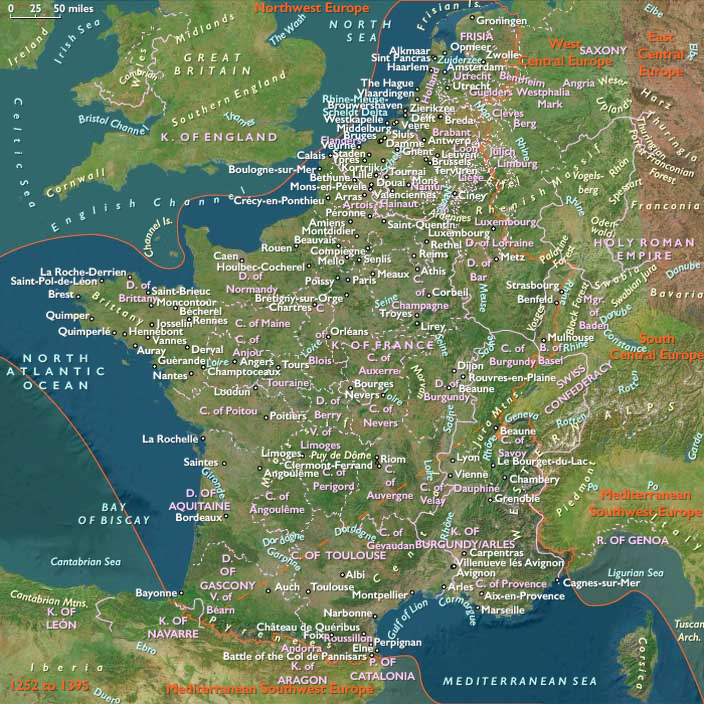
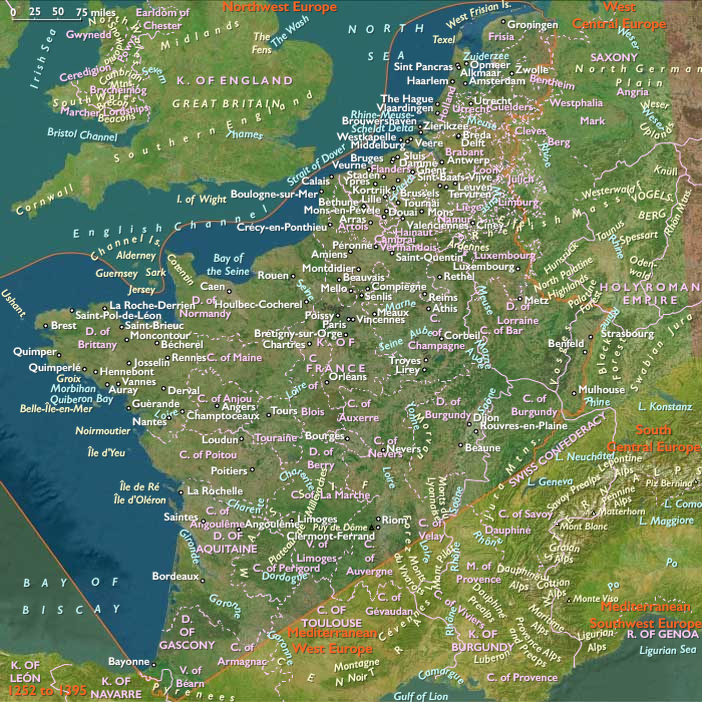
By 1325, the movement had spread across Flanders, drawing support from disaffected burghers, landowners, and rural insurgents. Rebel forces, led by figures such as Niklaas Zannekin, seized key towns, including Bruges, Ypres, and Courtrai, and established a popular government, effectively expelling the Count from much of his domain.
Despite their initial successes, the rebels lacked a unified strategy and soon faced the military intervention of France. In 1328, Philip VI of France, responding to Count Louis’ plea for assistance, launched a royal expedition into Flanders. The rebellion was crushed at the Battle of Cassel (August 23, 1328), where the peasant forces, despite their numbers, were decisively defeated by French knights.
Aftermath and Consequences
The defeat at Cassel led to the execution of rebel leaders, including Zannekin, and the restoration of Count Louis’ authority. However, the revolt left lasting tensions between the Flemish population and the French-aligned nobility, foreshadowing further conflicts in the Hundred Years’ War.
While ultimately unsuccessful, the Flemish Peasant Revolt underscored the growing fragility of feudal structures, as popular uprisings and economic resistance increasingly challenged traditional aristocratic rule in 14th-century Europe.
People
Groups
Topics
Subjects
Regions
Subregions
Years: 1324 - 1335
People
Groups
Topics
Subjects
Regions
Subregions