
Filters:
The Julio-Claudian and Flavian Dynasties: Rome’s First …
Years: 45BCE - 99
The Julio-Claudian and Flavian Dynasties: Rome’s First Imperial Families (27 BCE – 96 CE)
The Julio-Claudian dynasty was the first imperial dynasty of Rome, consisting of Augustus, Tiberius, Caligula (Gaius), Claudius, and Nero. It ruled the Roman Empire from its founding in 27 BCE until 68 CE, when Nero’s suicide plunged Rome into civil war.
The Fall of the Julio-Claudians and the Year of the Four Emperors (69 CE)
- Nero’s reign (54–68 CE) ended in rebellion, loss of support from the Senate and the Praetorian Guard, and his forced suicide in 68 CE.
- His death left no clear successor, triggering the Year of the Four Emperors (69 CE)—a chaotic struggle for power.
- Four emperors—Galba, Otho, Vitellius, and Vespasian—each ruled briefly, until Vespasian emerged victorious, establishing the Flavian dynasty.
The Flavian Dynasty (69–96 CE)
The Flavian dynasty consisted of:
- Vespasian (69–79 CE) – Restored stability after the civil war, reformed the economy, and initiated major building projects, including the Colosseum.
- Titus (79–81 CE) – Best known for the destruction of Pompeii (79 CE) during Vesuvius' eruption and completing the Colosseum.
- Domitian (81–96 CE) – A strong but autocratic ruler, assassinated in 96 CE due to Senatorial opposition.
The Rise of Nerva and the Adoption of Trajan
- After Domitian’s assassination, the Senate appointed Nerva (96–98 CE), an elderly, childless senator, as emperor.
- However, his lack of military support led to unrest, and in 97 CE, a revolt by the Praetorian Guard forced him to adopt Trajan, a widely respected general, as his heir.
- This marked the beginning of the adoptive succession system, leading to the "Five Good Emperors" period (96–180 CE).
Significance of the Dynastic Transition
- The Julio-Claudian dynasty established the principle of imperial rule, but ended in instability and civil war.
- The Flavian dynasty restored order and prosperity, strengthening the empire after the chaos of 69 CE.
- Nerva’s adoption of Trajan set a new precedent for choosing capable successors, ushering in one of Rome’s most prosperous eras.
The transition from Julio-Claudians to Flavians and eventually to Nerva and Trajan demonstrates Rome’s ability to survive dynastic crises, ensuring the continued strength of the empire.
People
Groups
- Roman Republic
- Roman Principate (Rome)
- Roman Empire (Rome): Julio-Claudian dynasty
- Roman Empire (Rome): Flavian dynasty
- Roman Empire (Rome): Nerva-Antonine dynasty
Topics
Subjects
Regions
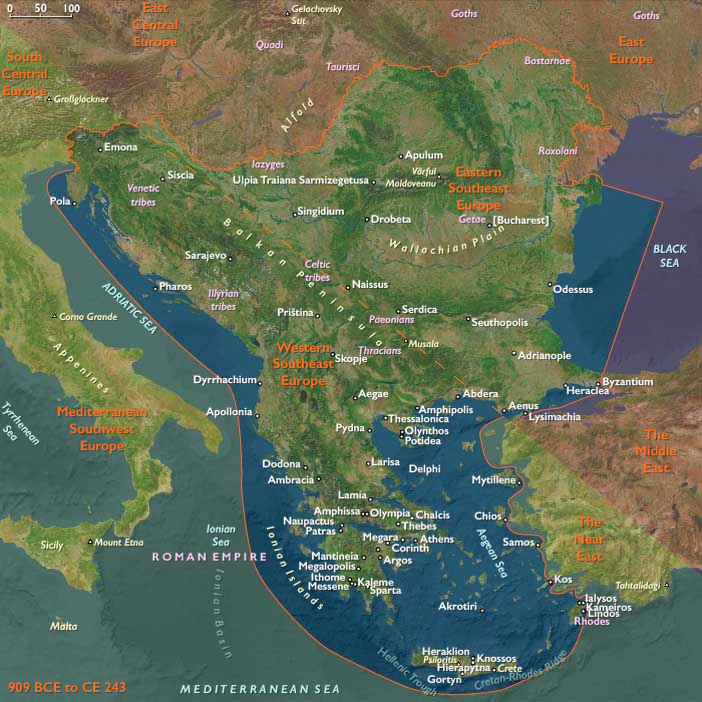

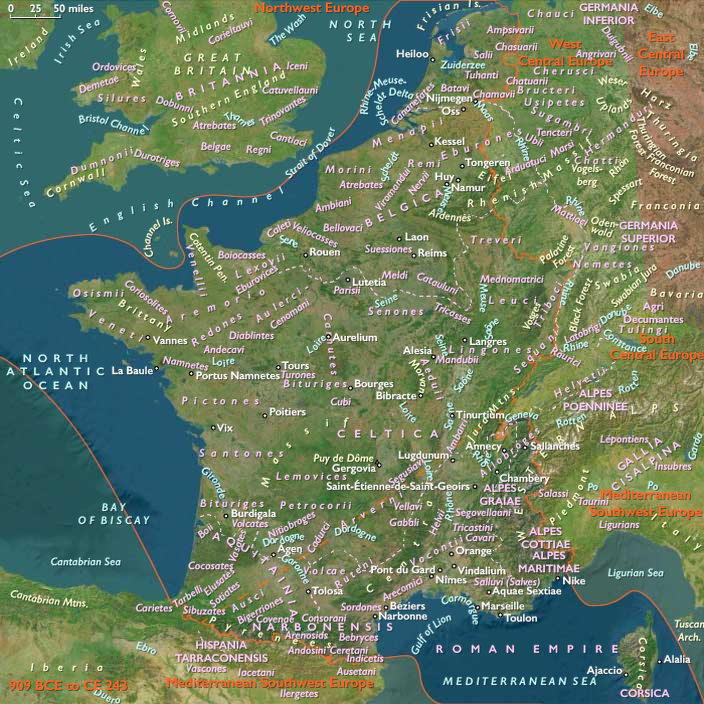
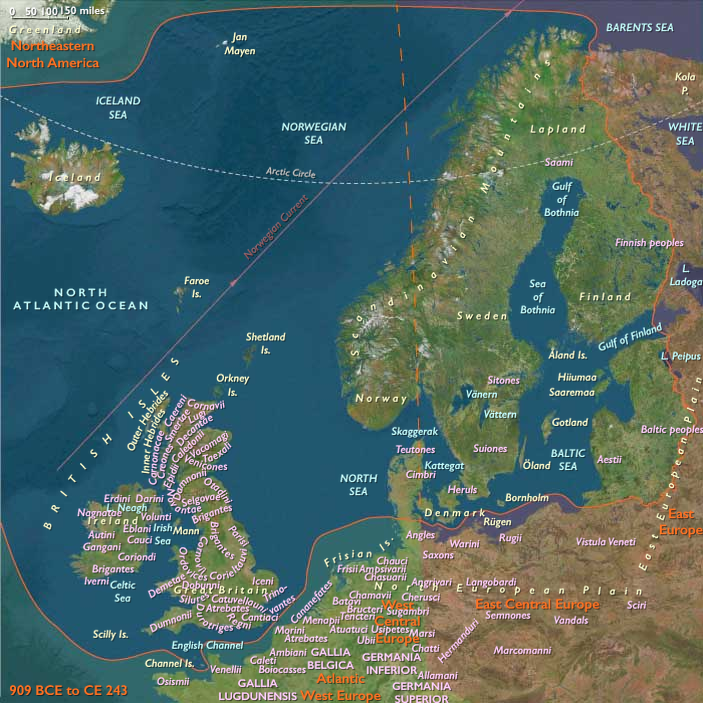
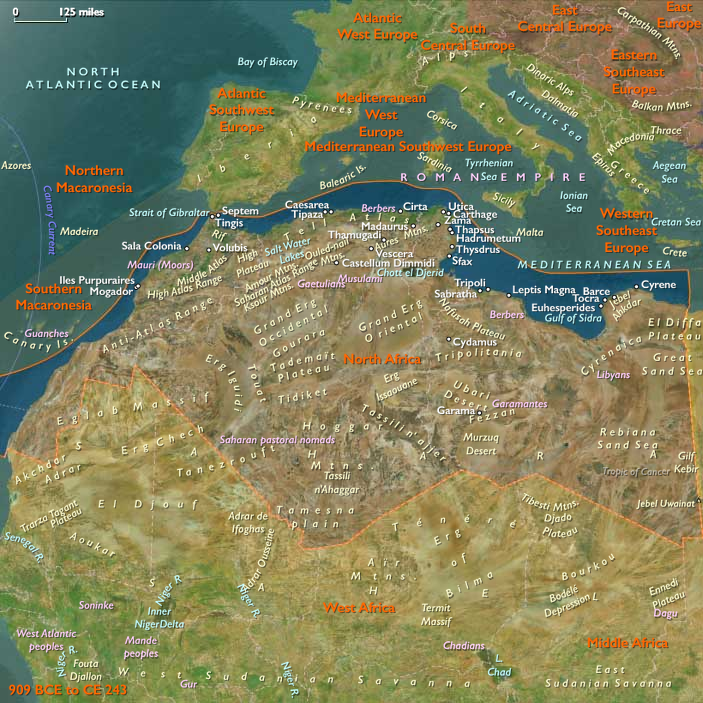
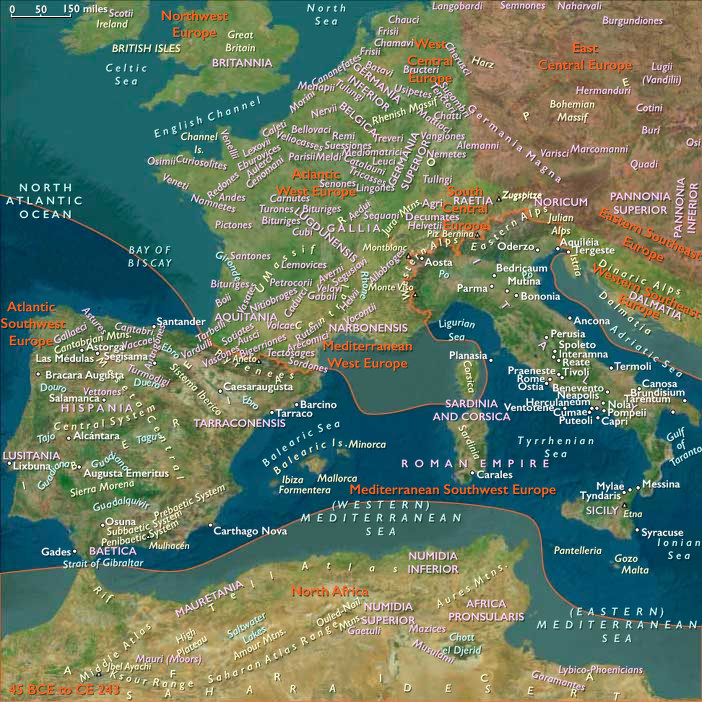
Subregions
- East Central Europe
- Eastern Southeast Europe
- Middle East
- Near East
- Western Southeast Europe
- South Central Europe
- Mediterranean West Europe
- Mediterranean Southwest Europe
- North Africa
- Atlantic Southwest Europe
- Atlantic West Europe
- West Central Europe
- Northwest Europe
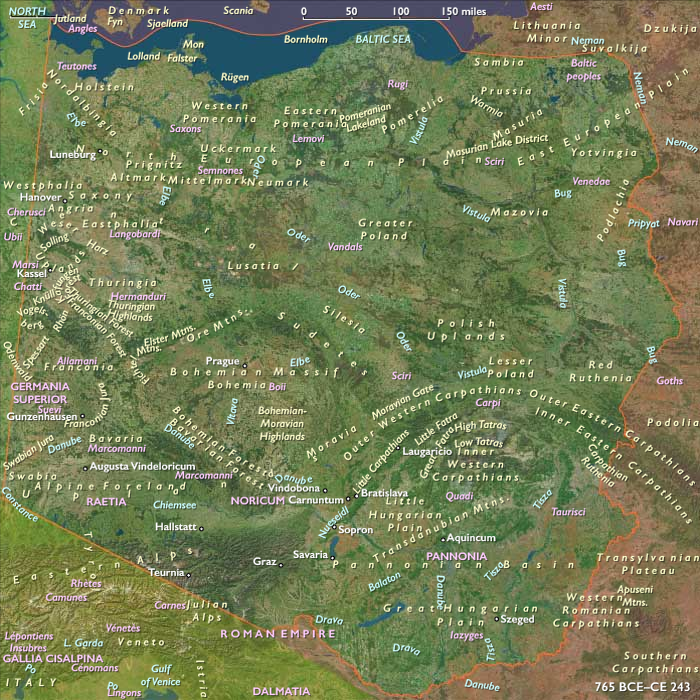
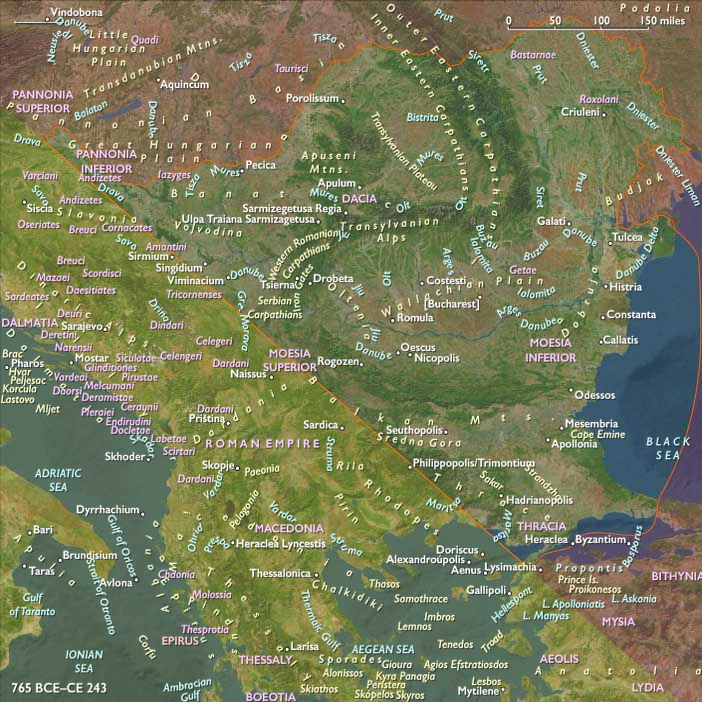
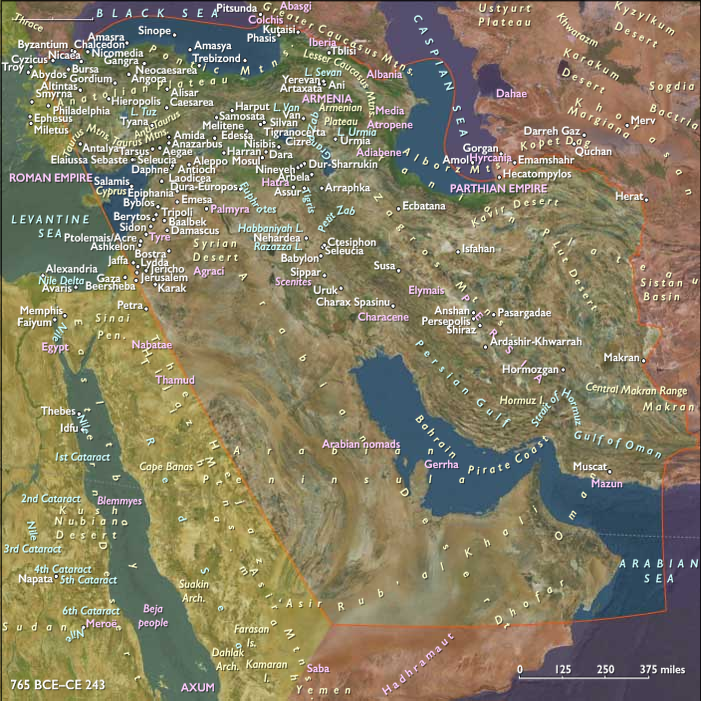



Related Events
Showing 10 events out of 54 total
Years: 45BCE - 99
People
Groups
- Roman Republic
- Roman Principate (Rome)
- Roman Empire (Rome): Julio-Claudian dynasty
- Roman Empire (Rome): Flavian dynasty
- Roman Empire (Rome): Nerva-Antonine dynasty
Topics
Subjects
Regions
Subregions
- East Central Europe
- Eastern Southeast Europe
- Middle East
- Near East
- Western Southeast Europe
- South Central Europe
- Mediterranean West Europe
- Mediterranean Southwest Europe
- North Africa
- Atlantic Southwest Europe
- Atlantic West Europe
- West Central Europe
- Northwest Europe