
Resolution and Outcome: The Convention of Gramido …
Years: 1847 - 1847
June
Resolution and Outcome: The Convention of Gramido (June 1847)
-
The conflict ended with the Convention of Gramido (signed June 29, 1847), brokered by Britain and Spain, which imposed a negotiated peace:
-
Costa Cabral’s resignation from power was a key condition.
-
A general amnesty for most rebels was granted.
-
Authority was restored to a more moderate and inclusive government in Lisbon, balancing regional interests more carefully.
-
-
Although the rebels failed to achieve all of their demands—particularly extensive decentralization—the conflict weakened centralized authoritarianism and set Portugal on a slightly more balanced political course, acknowledging regional and popular concerns.
Legacy and Significance
-
Political Balance:
The Patuleia marked a significant turning point, moderating central authority, tempering extreme liberal factions, and highlighting the importance of regional interests in national governance. -
Regional Empowerment and Identity:
The revolt underscored northern Portugal’s distinct political identity, emphasizing regional autonomy, economic concerns, and local governance. -
Influence on Future Portuguese Politics:
The event set an important precedent for future political compromises, highlighting the delicate interplay between centralized government power and regional interests, a theme recurring throughout nineteenth-century Portuguese politics.
Ultimately, the Patuleia Revolt illustrated the profound complexity of liberal politics in Portugal, the deeply rooted nature of regional grievances, and the critical role played by popular participation in shaping the country's political trajectory.
Locations
People
- António Bernardo da Costa Cabral, 1st Marquis of Tomar
- João Carlos de Saldanha Daun, 1st Duke of Saldanha
- Maria II of Portugal
Groups
- Portugal, Bragança Kingdom of
- Britain (United Kingdom of Great Britain and Ireland)
- France, constitutional monarchy of
- Brazilian Empire
Topics
Subjects
Regions
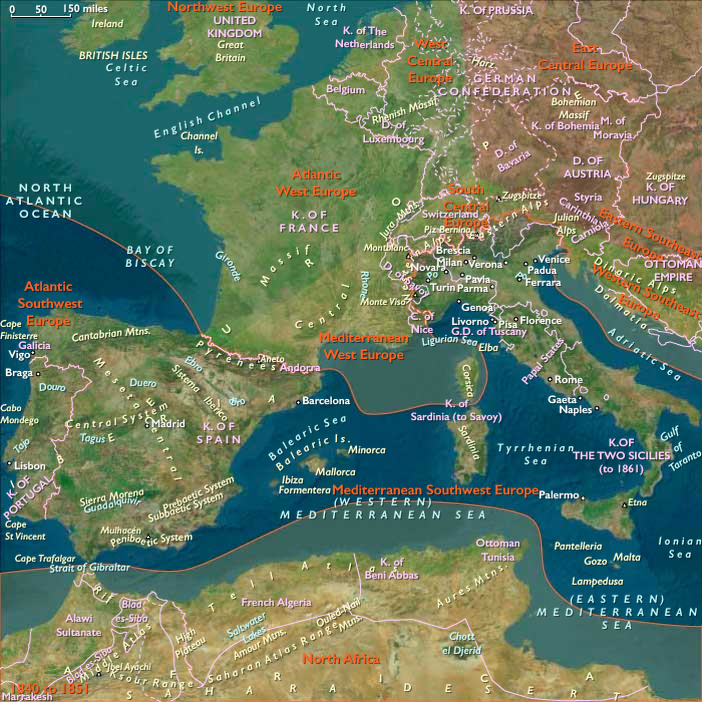
Subregions
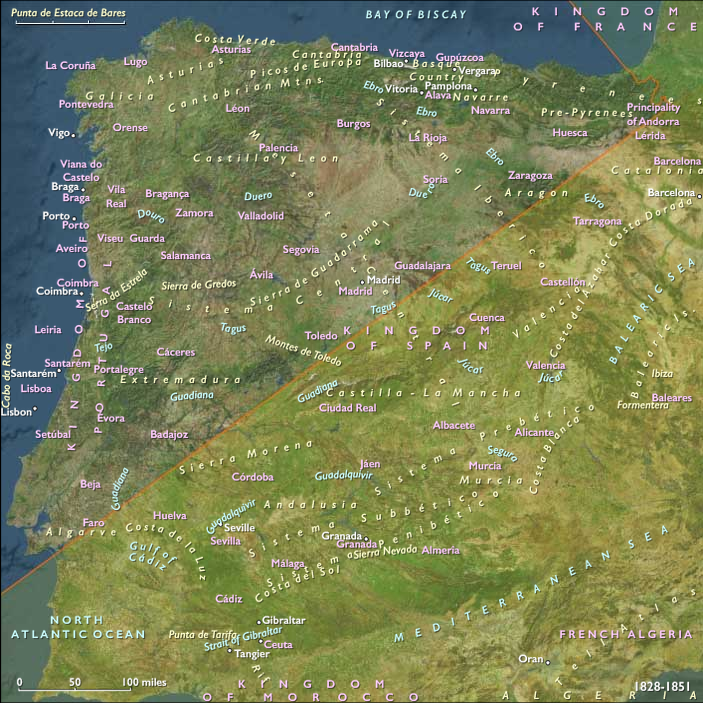
Related Events
Showing 10 events out of 16926 total
Years: 1847 - 1847
June
Locations
People
- António Bernardo da Costa Cabral, 1st Marquis of Tomar
- João Carlos de Saldanha Daun, 1st Duke of Saldanha
- Maria II of Portugal
Groups
- Portugal, Bragança Kingdom of
- Britain (United Kingdom of Great Britain and Ireland)
- France, constitutional monarchy of
- Brazilian Empire
Topics
Subjects
Regions
Subregions