
Filters:
The partial collapse of Acre’s walls on …
Years: 1191 - 1191
January
The partial collapse of Acre’s walls on January 6, 1191, leads to many Christian attempts at overrunning the Muslim garrisons.
Saladin’s army is now so large that it is impossible for any more Crusaders to arrive by land, and winter means that no more supplies or reinforcements can arrive by sea.
In the Christian camp, the leaders have begun to succumb to the epidemics.
Theobald of Blois and Stephen of Sancerre have died, and Frederick of Swabia also dies, on January 20, 1191.
Henry of Champagne struggles with sickness for many weeks before recovering.
Patriarch Eraclius also dies during the siege, but the date is unknown.
Locations
People
- Amalric II of Jerusalem
- Conrad of Montferrat
- Eleanor of Aquitaine
- Frederick I, Holy Roman Emperor
- Frederick VI
- Guy of Lusignan
- Henry II, Count of Champagne
- Humphrey IV of Toron
- Isaac II Angelos
- Isaac Komnenos of Cyprus
- Isabella I of Jerusalem
- Richard I of England
- Saladin
- Sibylla
Groups
- Arab people
- Armenian people
- Kurdish people
- Germans
- Christians, Miaphysite (Oriental Orthodox)
- Frisians
- Greeks, Medieval (Byzantines)
- Muslims, Sunni
- Muslims, Shi'a
- Syrian people
- Danes (Scandinavians)
- Flemish people
- Flanders, County of
- Abbasid Caliphate (Baghdad)
- Holy Roman Empire
- Cyprus, East Roman (Byzantine)
- French people (Latins)
- France, (Capetian) Kingdom of
- Pisa, (first) Republic of
- Christians, Roman Catholic
- Christians, Eastern Orthodox
- Armenia, Baronry of Little, or Lesser
- Roman Empire, Eastern: Komnenos dynasty, restored
- Antioch, Principality of
- Jerusalem, Latin Kingdom of
- Palestine, Frankish (Outremer)
- English people
- Italians (Latins)
- Tripoli, County of
- Hospitallers of St. John of Jerusalem
- Templar, Knights (Poor Knights of Christ and of the Temple of Solomon)
- Sicily, Kingdom of
- Jaffa and Ascalon, County of
- England, (Plantagenet, Angevin) Kingdom of
- Egypt, Ayyubid Sultanate of
- Teutonic Knights of Acre (House of the Hospitalers of Saint Mary of the Teutons in Jerusalem)
Topics
Commodoties
Subjects
Regions
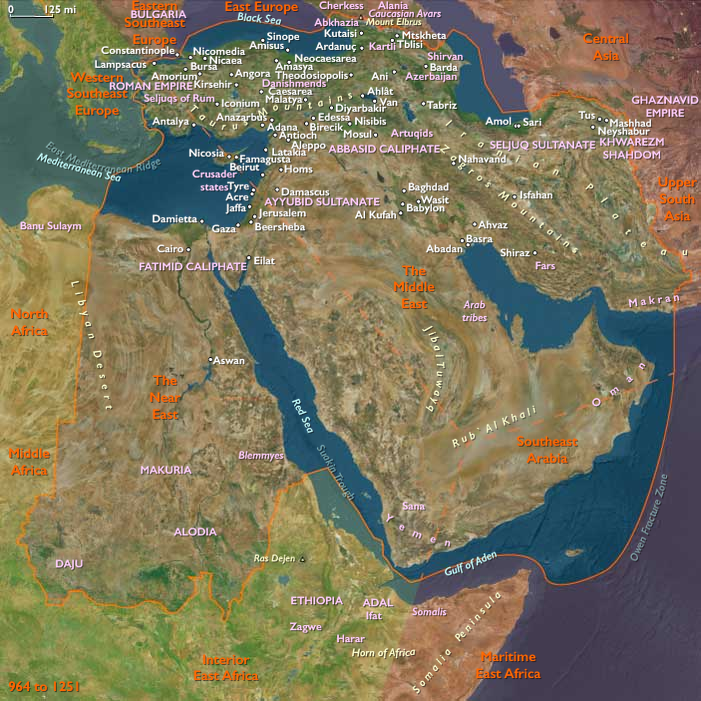
Subregions
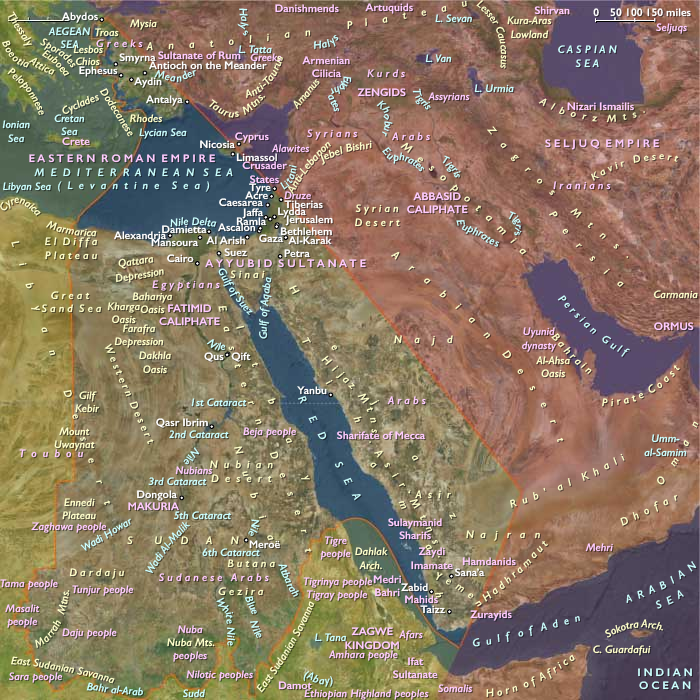
Years: 1191 - 1191
January
Locations
People
- Amalric II of Jerusalem
- Conrad of Montferrat
- Eleanor of Aquitaine
- Frederick I, Holy Roman Emperor
- Frederick VI
- Guy of Lusignan
- Henry II, Count of Champagne
- Humphrey IV of Toron
- Isaac II Angelos
- Isaac Komnenos of Cyprus
- Isabella I of Jerusalem
- Richard I of England
- Saladin
- Sibylla
Groups
- Arab people
- Armenian people
- Kurdish people
- Germans
- Christians, Miaphysite (Oriental Orthodox)
- Frisians
- Greeks, Medieval (Byzantines)
- Muslims, Sunni
- Muslims, Shi'a
- Syrian people
- Danes (Scandinavians)
- Flemish people
- Flanders, County of
- Abbasid Caliphate (Baghdad)
- Holy Roman Empire
- Cyprus, East Roman (Byzantine)
- French people (Latins)
- France, (Capetian) Kingdom of
- Pisa, (first) Republic of
- Christians, Roman Catholic
- Christians, Eastern Orthodox
- Armenia, Baronry of Little, or Lesser
- Roman Empire, Eastern: Komnenos dynasty, restored
- Antioch, Principality of
- Jerusalem, Latin Kingdom of
- Palestine, Frankish (Outremer)
- English people
- Italians (Latins)
- Tripoli, County of
- Hospitallers of St. John of Jerusalem
- Templar, Knights (Poor Knights of Christ and of the Temple of Solomon)
- Sicily, Kingdom of
- Jaffa and Ascalon, County of
- England, (Plantagenet, Angevin) Kingdom of
- Egypt, Ayyubid Sultanate of
- Teutonic Knights of Acre (House of the Hospitalers of Saint Mary of the Teutons in Jerusalem)
Topics
Commodoties
Subjects
Regions
Subregions