
The Ottonian dynasty, which has ruled Germany …
Years: 1024 - 1024
September
The Ottonian dynasty, which has ruled Germany since 919, had ended with the death of the childless Emperor Henry II.
Without a clear successor as King of Germany, Henry's widow Cunigunde of Luxembourg serves as regent while the German dukes gather to elect a new king.
Cunigunde is assisted by her brothers Duke Henry V of Bavaria and Dietrich II of Luxembourg, Bishop of Metz.
Archbiship Aribo of Mainz, the Primate of Germany, also assists Cunigunde.
The German princes gather on September 4, 1024, at Kamba, an historical name for an area on the east banks of the river Rhine River opposite the German town Oppenheim, Archbishop Aribo serving as the assembly's president.
Conrad represents him before the assembly as a candidate for election, as does his younger cousin Conrad the Younger.
Both are descendants from Emperor Otto I by their common grandfather Otto of Worms from his mother Liutgarde, one of Otto's daughters.
Although other extended members of the Ottonian dynasty exist, none are seriously considered for election.
The chronicler Wipo of Burgundy, who is Conrad's chaplain and attending the meeting, records the election.
The Duchy of Saxony adopts a neutral strategy while the Duchy of Lorraine favors the younger Conrad, but a majority of the assembled princes favor the elder Conrad, whose seven-year old son ensures a stable dynasty for the kingdom.
As president of the assembly, Archbishop Aribo casts the first vote and supports Conrad; he is joined in this vote by the other clergy.
The secular dukes then cast their votes for Conrad as well.
Only Archbishop Pilgrim of Cologne, Duke Gothelo I of Lower Lorraine, and Duke Frederick II of Upper Lorraine refuse to support him.
Locations
People
- Aribo
- Conrad II
- Conrad II
- Cunigunde of Luxembourg
- Frederick II, Duke of Upper Lorraine
- Gisela of Swabia
- Gothelo I
- Henry II, Holy Roman Emperor
- Henry V
- Pilgrim
Groups
- Christianity, Chalcedonian
- Mainz, Electoral Archbishopric of
- Saxony, Duchy of
- Swabia, Duchy of
- Bavaria, Ottonian Duchy of
- Cologne, Electorate of
- Lorraine (Lothier), Upper, Duchy of
- Lorraine (Lotharingia), Lower, (first) Duchy of
- German, or Ottonian (Roman) Empire
- Luxembourg, County of
Subjects
Regions
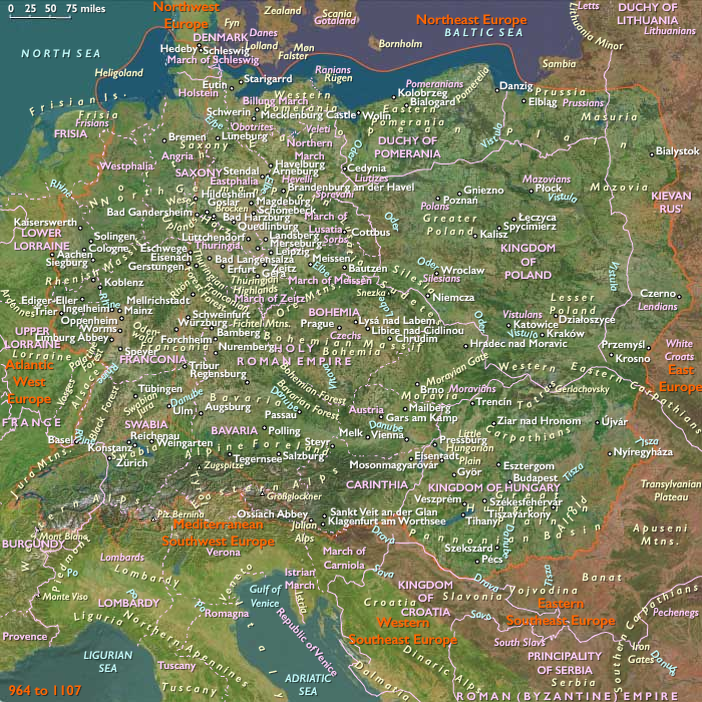
Subregions
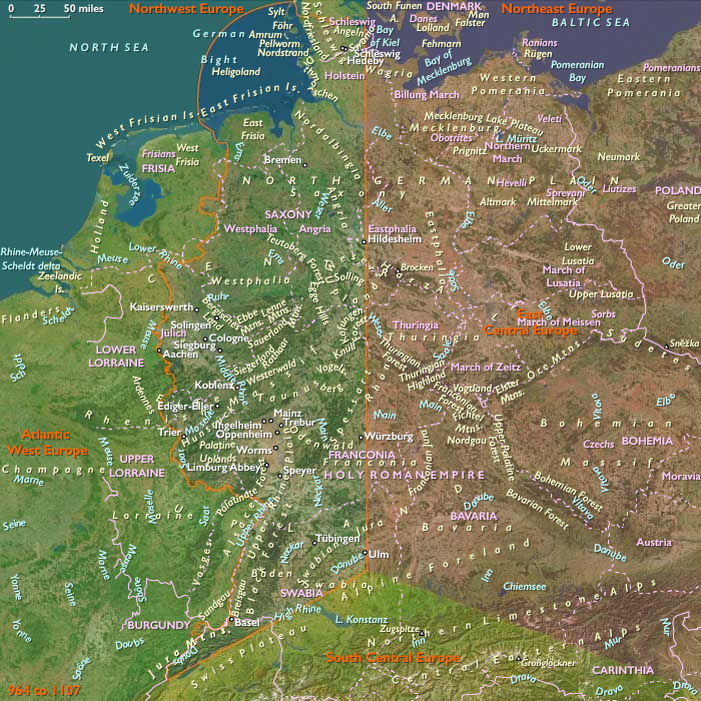
Years: 1024 - 1024
September
Locations
People
- Aribo
- Conrad II
- Conrad II
- Cunigunde of Luxembourg
- Frederick II, Duke of Upper Lorraine
- Gisela of Swabia
- Gothelo I
- Henry II, Holy Roman Emperor
- Henry V
- Pilgrim
Groups
- Christianity, Chalcedonian
- Mainz, Electoral Archbishopric of
- Saxony, Duchy of
- Swabia, Duchy of
- Bavaria, Ottonian Duchy of
- Cologne, Electorate of
- Lorraine (Lothier), Upper, Duchy of
- Lorraine (Lotharingia), Lower, (first) Duchy of
- German, or Ottonian (Roman) Empire
- Luxembourg, County of
Subjects
Regions
Subregions