
The Origins of Brussels: From Marshland Hamlet …
Years: 979 - 979
The Origins of Brussels: From Marshland Hamlet to Medieval Stronghold
The name Brussels is commonly believed to derive from the Old Dutch term Broeksel, meaning "home in the marsh"(broek meaning marsh, sel meaning dwelling). This etymology reflects the city's origins in the low-lying, waterlogged terrain of the Senne River valley.
Early Beginnings: The Chapel of Saint Gaugericus (c. 580)
The earliest recorded settlement in the Brussels area dates back to c. 580, when Saint Gaugericus, a Frankish bishop, constructed a chapel on an island in the Senne River. This island, strategically located along trade routes, would later serve as the nucleus of the city.
By 695, the settlement was known as Brosella, as recorded by Saint Vindicianus, the Bishop of Cambrai. At this point, it remained a modest hamlet, overshadowed by larger urban centers in Lower Lotharingia.
The Official Founding: Duke Charles of Lower Lotharingia (979)
Brussels' emergence as a fortified town is traditionally traced to 979, when Duke Charles of Lower Lotharingia made a decisive act of religious and political significance:
- He transferred the relics of Saint Gudula from Moorsel to the Chapel of Saint Gaugericus, elevating the settlement’s status as a religious center.
- Around the same time, Charles constructed the first permanent fortification on the Senne island, marking the beginnings of Brussels as a defensible urban center.
The Foundation for Growth
The establishment of a fortified nucleus in Brussels ensured its strategic importance in the evolving political landscape of Lotharingia. Over the coming centuries, its position along trade routes, combined with its religious and military significance, would lay the groundwork for Brussels’ rise as one of the most influential cities in the Low Countries.
Locations
People
Groups
Commodoties
Subjects
Regions
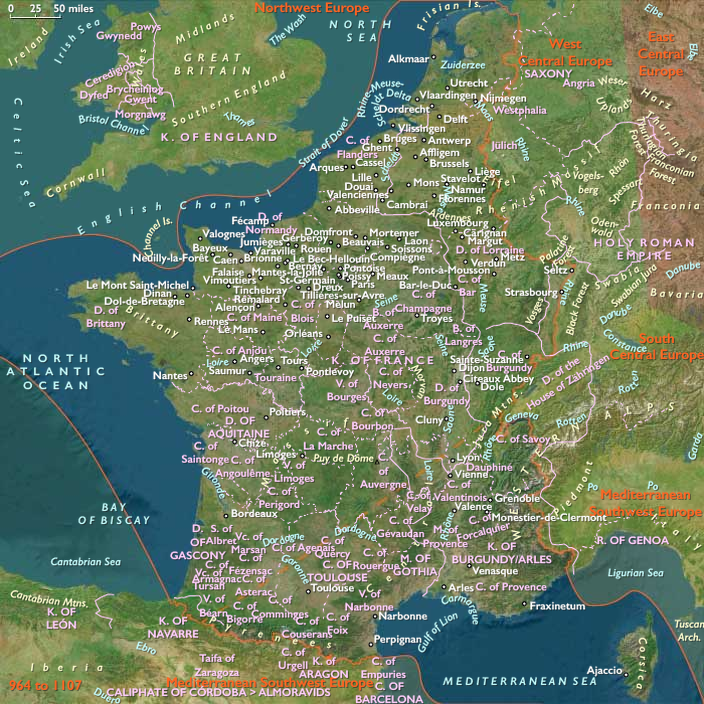
Subregions
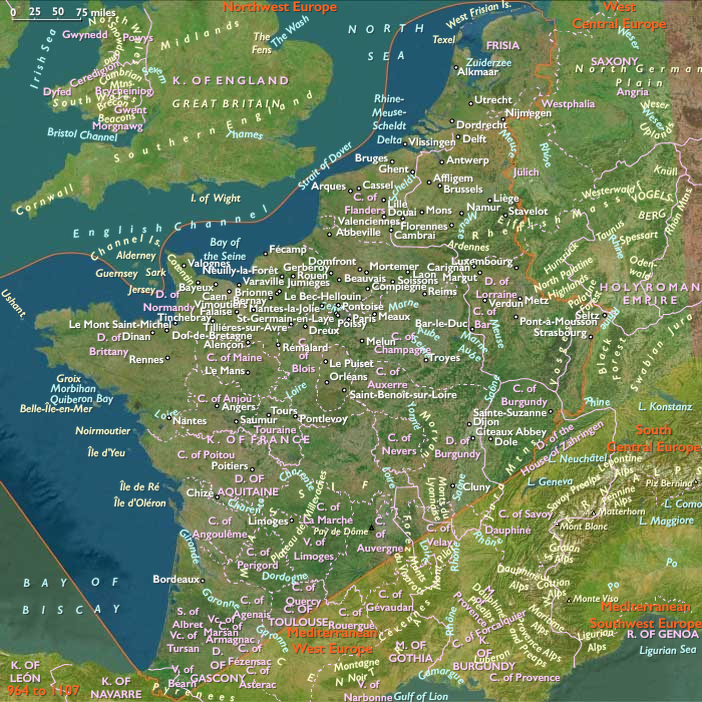
Years: 979 - 979
Locations
People
Groups
Commodoties
Subjects
Regions
Subregions