
The Revolt of Bernard of Italy and …
Years: 818 - 818
April
The Revolt of Bernard of Italy and His Surrender (817)
In 817, Louis the Pious issues the Ordinatio Imperii, a decree intended to regulate the succession of the Frankish Empire and prevent dynastic fragmentation. The ordinance formally designates Lothair I, Louis’ eldest son, as co-emperor, while his younger sons Pepin and Louis the German receive Aquitaine and Bavaria as subordinate kingdoms.
However, the Ordinatio Imperii places Bernard of Italy, Charlemagne’s illegitimate grandson and ruler of the Kingdom of Italy, in an uncertain and subordinate position. Though still nominally King of Italy, Bernard is now clearly subordinate to Lothair I, threatening his autonomy. Upon learning of this development, Bernard begins plotting for independence, fearing the gradual absorption of his kingdom into the empire.
Louis the Pious’ Swift Response
Louis, learning of Bernard’s discontent and suspected rebellion, acts decisively. Instead of allowing time for Bernard to gather support, Louis mobilizes his army immediately and marches toward Italy. By moving swiftly, he prevents Bernard from organizing an effective resistance.
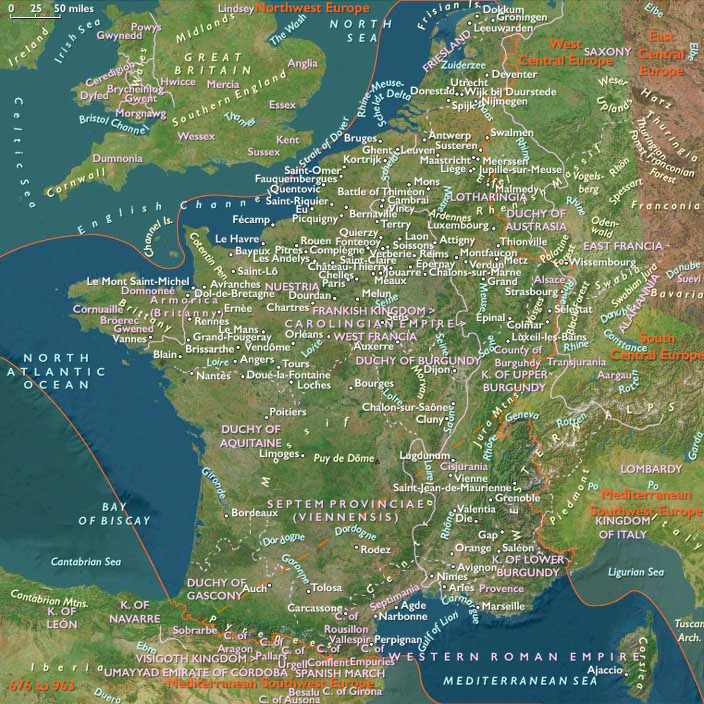
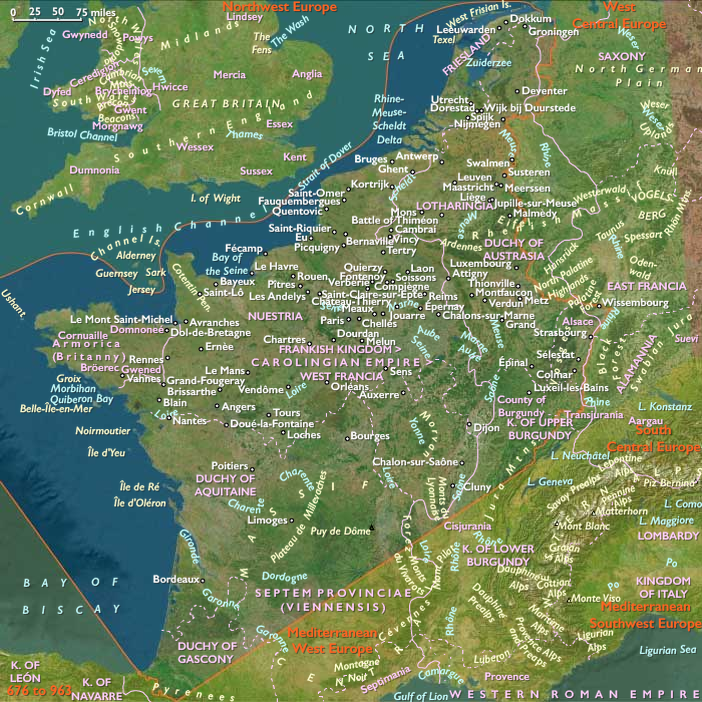
Stopping at Chalon-sur-Saône, Louis sends an invitation to Bernard, offering him a meeting. Realizing he is outmatched and unprepared for war, Bernard, intimidated by the emperor’s rapid action, has no choice but to surrender at Chalon.
This surrender, however, will not save him from Louis' wrath, as the emperor seeks to eliminate any potential challenge to his authority. What follows is one of the most tragic episodes of Louis the Pious' reign.
Locations
People
Groups
- Franks
- Alamannia
- Christianity, Chalcedonian
- Papal States (Republic of St. Peter)
- Italy, Carolingian Kingdom of
- Aquitaine, (Carolingian) Kingdom of
- Bavaria, Carolingian Duchy of
- Frankish, or Carolingian (Roman) Empire
- Saxony, Duchy of
- Roman Empire, Eastern: Non-dynastic
Topics
Subjects
Regions
Subregions
Related Events
Showing 6 events out of 6 total
Years: 818 - 818
April
Locations
People
Groups
- Franks
- Alamannia
- Christianity, Chalcedonian
- Papal States (Republic of St. Peter)
- Italy, Carolingian Kingdom of
- Aquitaine, (Carolingian) Kingdom of
- Bavaria, Carolingian Duchy of
- Frankish, or Carolingian (Roman) Empire
- Saxony, Duchy of
- Roman Empire, Eastern: Non-dynastic
Topics
Subjects
Regions
Subregions