
The Great Famine of 1146: Relentless Rainfall …
Years: 1144 - 1155
The Great Famine of 1146: Relentless Rainfall and Widespread Food Shortages
The year 1146 was marked by relentless rainfall across Europe, leading to severe crop failures and one of the worst famines of the 12th century. The combination of adverse weather, economic strain, and social disruption plunged towns and rural communities alike into widespread hunger and hardship.
Causes of the 1146 Famine
-
Excessive Rainfall and Crop Failure
- Unseasonably heavy and prolonged rains devastated grain harvests, particularly wheat, barley, and rye, which were the primary food staples.
- Waterlogged fields led to rot, fungal infections (such as ergot), and failed harvests, crippling local and regional food supplies.
- The wet conditions also harmed livestock, causing disease outbreaks that further reduced available food sources.
-
Economic Consequences and Social Strain
- With grain yields at critically low levels, the price of bread and basic foodstuffs skyrocketed, making survival increasingly difficult for the lower classes.
- Hoarding and speculation by merchants further exacerbated food shortages, leading to outbreaks of social unrest.
- Peasants and laborers suffered the most, as lords and monasteries controlled dwindling grain reserves and often rationed supplies unequally.
-
Mass Starvation, Migration, and Charity Relief
- As food became increasingly scarce, entire villages were abandoned, with many people migrating to cities and monastic centers in search of relief.
- Monasteries, churches, and noble households provided charitable food distribution, but their resources were often overwhelmed by the sheer number of starving people.
- Bands of desperate peasants and displaced persons roamed the countryside, leading to increased crime and social instability.
Impact of the 1146 Famine
- Increased Mortality Rates – Starvation, disease, and weakened immunity led to widespread deaths, particularly among the poor and rural populations.
- Weakening of the Economy – The agricultural collapse led to a decline in productivity, disrupting feudal economies and slowing trade and commerce.
- Religious Responses and Superstition – Many people interpreted the famine as divine punishment, leading to an increase in penitential processions, pilgrimages, and religious fervor.
- Political and Social Instability – The scarcity of food intensified existing tensions between peasants, lords, and the clergy, fueling local conflicts and uprisings.
Conclusion
The famine of 1146 was a catastrophic event that deeply impacted medieval European society, revealing the fragility of agricultural economies and the dependence of populations on stable harvests. Though eventual recovery came with improved weather and new planting cycles, the crisis left a lasting mark on communities, reinforcing the importance of charitable relief, improved food storage, and economic resilience.
Topics
Commodoties
Subjects
Regions
Subregions
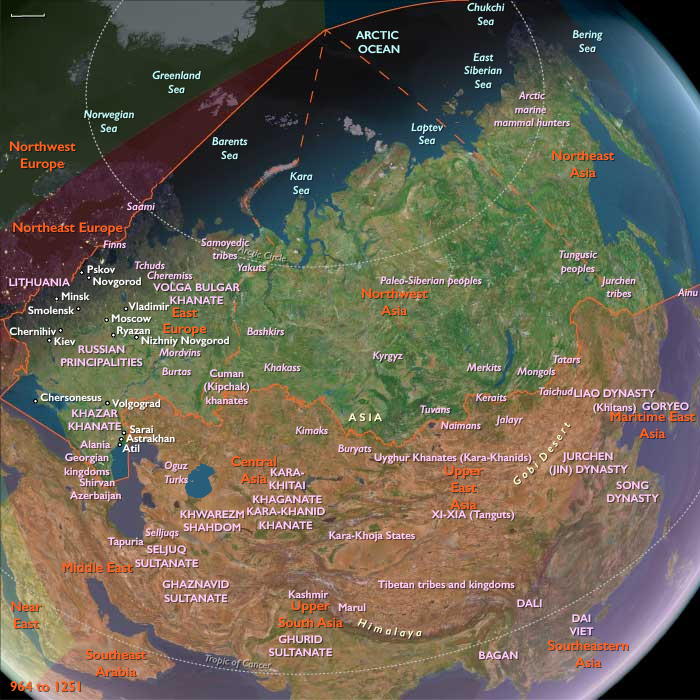
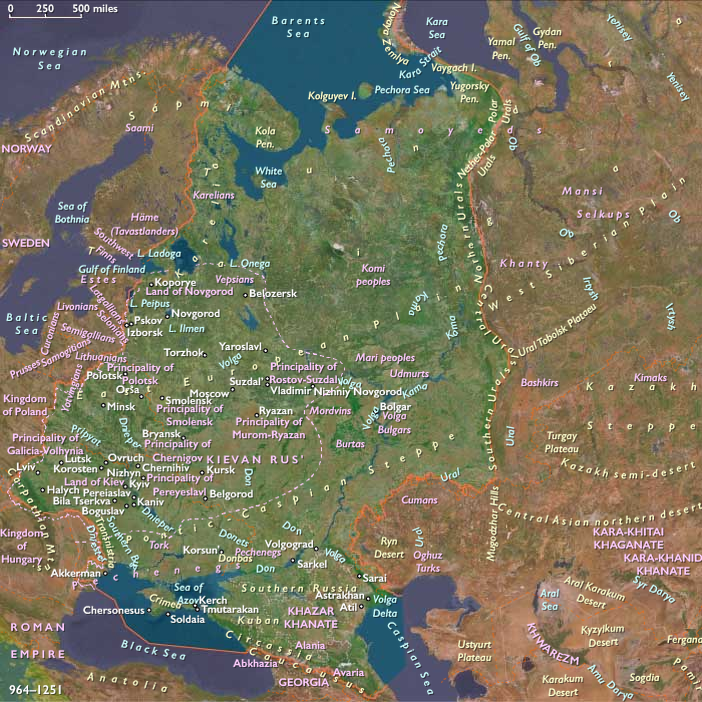
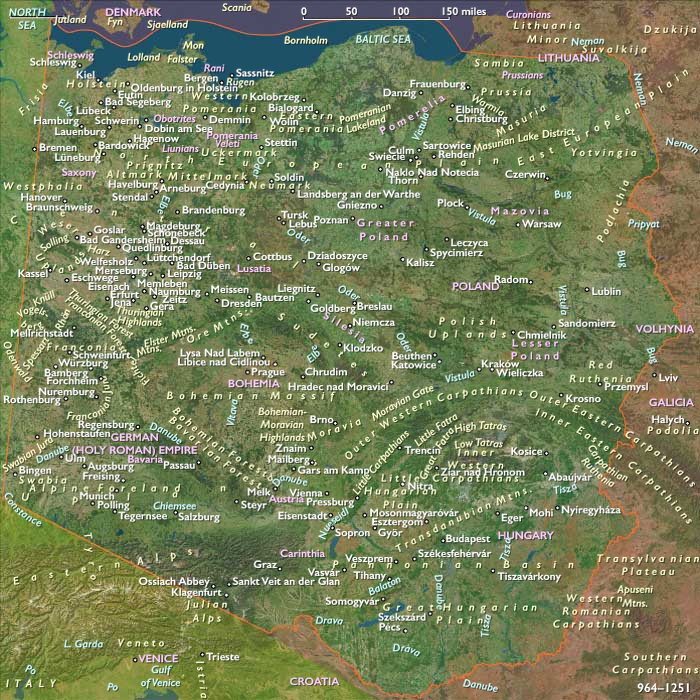
- East Europe
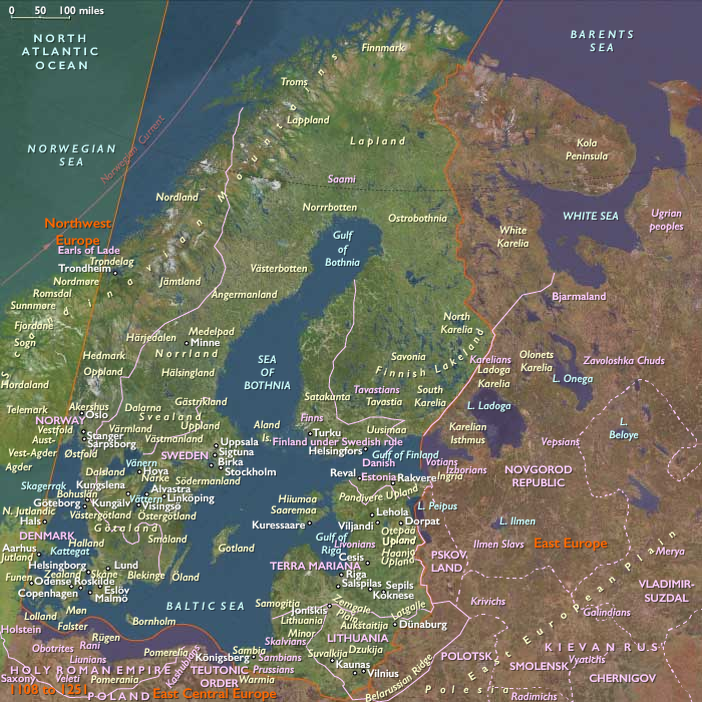
- Northeast Europe
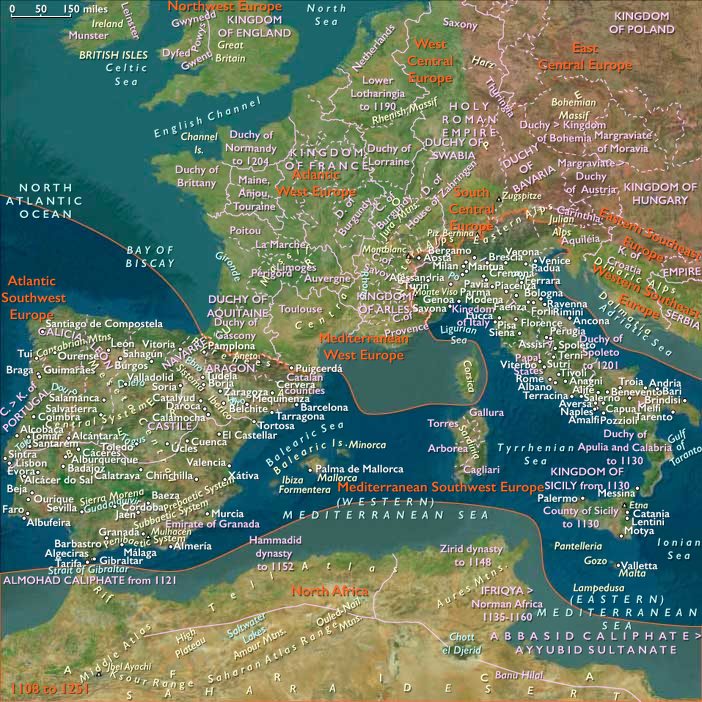
- East Central Europe
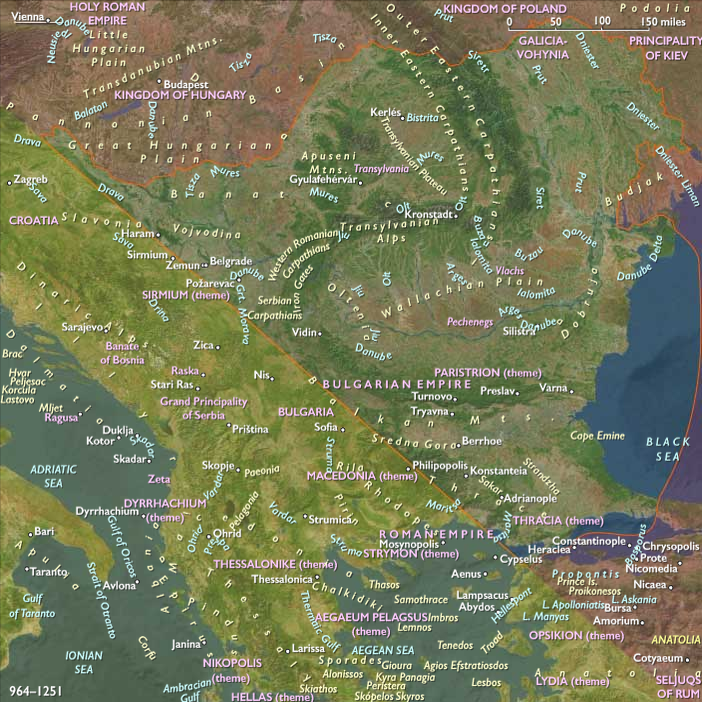
- Eastern Southeast Europe
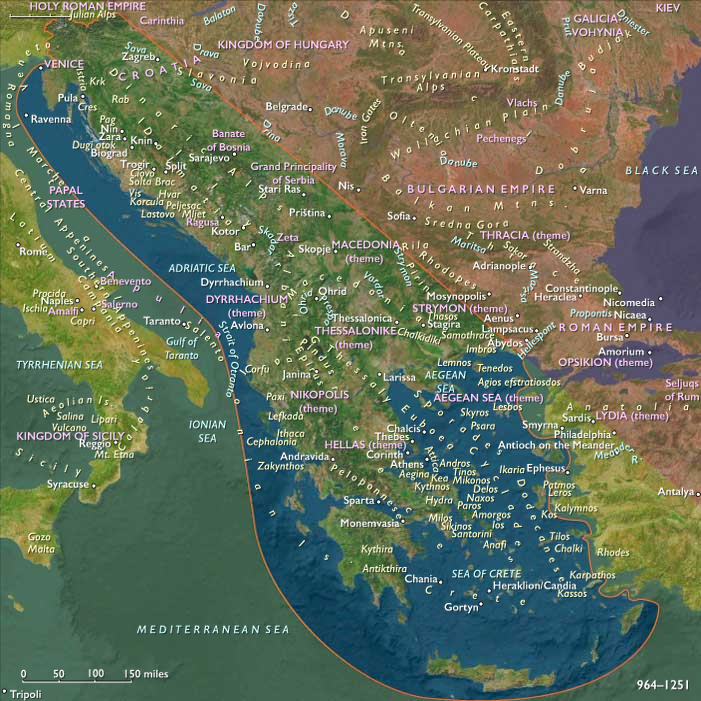
- Western Southeast Europe
- South Central Europe
- Mediterranean West Europe
- Mediterranean Southwest Europe
- Atlantic Southwest Europe
- Atlantic West Europe
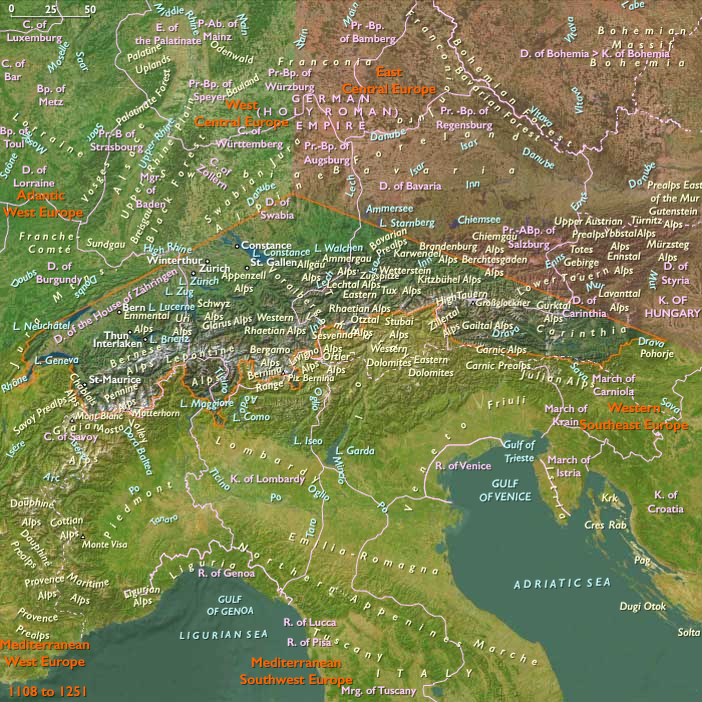
- West Central Europe
- Northwest Europe
Related Events
Showing 10 events out of 48896 total
Years: 1144 - 1155
Topics
Commodoties
Subjects
Regions
Subregions
- East Europe
- Northeast Europe
- East Central Europe
- Eastern Southeast Europe
- Western Southeast Europe
- South Central Europe
- Mediterranean West Europe
- Mediterranean Southwest Europe
- Atlantic Southwest Europe
- Atlantic West Europe
- West Central Europe
- Northwest Europe