
Bernard de Casnac Retakes Château de Castelnaud …
Years: 1214 - 1214
December
Bernard de Casnac Retakes Château de Castelnaud and Executes Montfort’s Garrison (1214–1215 CE)
Following Simon de Montfort’s conquest of Périgord in late 1214, Bernard de Casnac, a Cathar castellan and staunch opponent of the crusaders, launched a counteroffensive, successfully retaking Château de Castelnaud. In a brutal act of vengeance, he hanged the garrison that Montfort had installed, demonstrating his unwavering resistance to the Catholic crusaders.
Château de Castelnaud and Its Role in the Albigensian Crusade
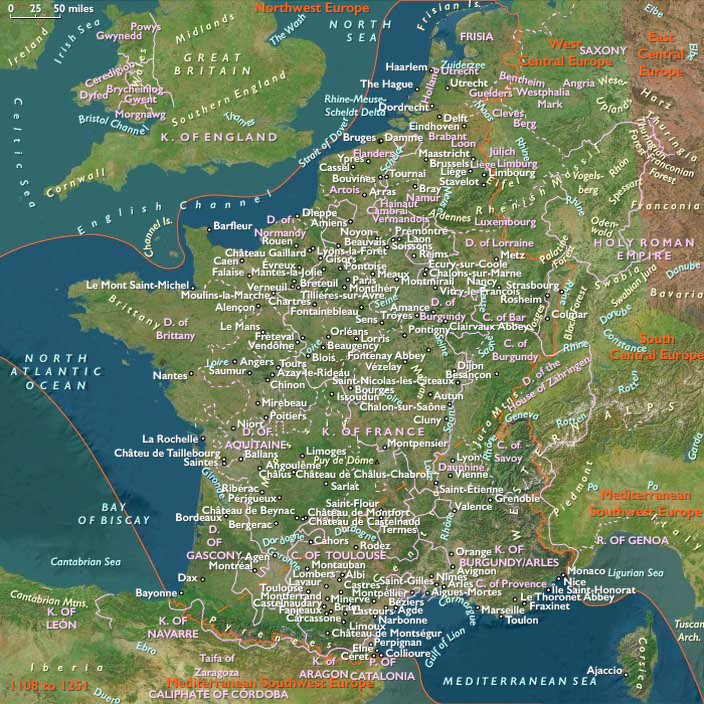
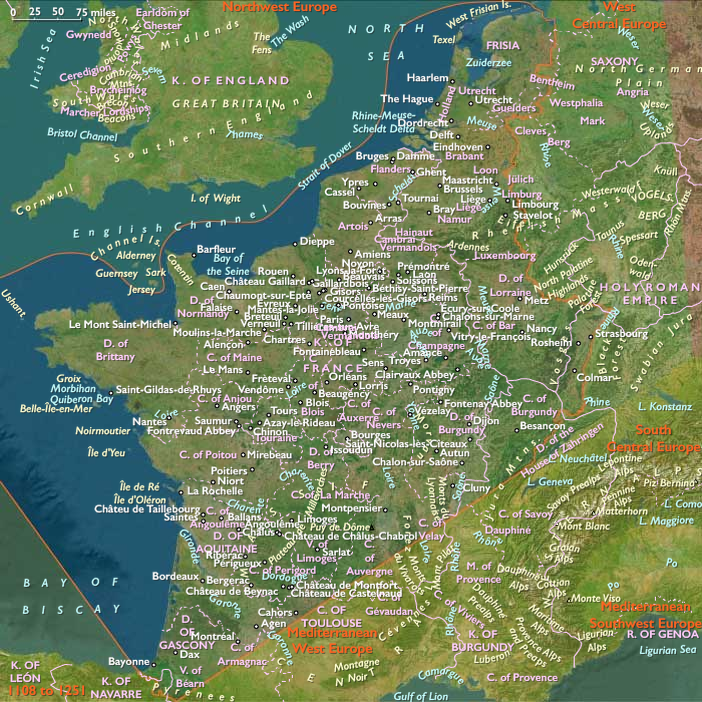
- Château de Castelnaud was built as a strategic fortress overlooking the Dordogne River, which marked the traditional boundary between Capetian France and the Duchy of Aquitaine.
- It was positioned opposite Château de Beynac, its historic rival.
- The earliest known documents mentioning Castelnaud date to the Albigensian Crusade, indicating its importance in the conflict between the Cathars and the crusading forces.
Bernard de Casnac’s Counterattack
- Following Montfort’s capture of Castelnaud, Bernard de Casnac led a local force to reclaim the fortress.
- After retaking the château, Casnac exacted swift and brutal justice, hanging every soldier left behind by Montfort.
- This act reinforced the defiance of the local Cathar lords, signaling that resistance against the crusaders was far from over.
Consequences of the Retaking of Castelnaud
- Montfort’s response was swift and ruthless—he would later recapture Castelnaud, punishing those who had resisted him.
- The region of Périgord remained a hotbed of resistance, with the Château de Castelnaud changing hands multiple times during the Albigensian Crusade.
- The conflict at Castelnaud symbolized the wider struggle between the northern French crusaders and the southern Occitan lords, who fiercely resisted Capetian and Catholic domination.
Conclusion
Bernard de Casnac’s retaking of Château de Castelnaud and the execution of Montfort’s garrison was a dramatic episode in the Albigensian Crusade, showcasing the ruthlessness and desperation on both sides of the conflict. Castelnaud remained a symbol of resistance for the Cathars but would eventually fall permanently into Capetian hands, marking the decline of Occitan independence.
Locations
People
Groups
- Jews
- Papal States (Republic of St. Peter)
- Toulouse, County of
- France, (Capetian) Kingdom of
- Christians, Roman Catholic
- Cistercians, Order of the (White Friars)
- Catharism (Albigenses)
- Waldenses
Topics
Commodoties
Subjects
Regions
Subregions
Related Events
Showing 10 events out of 47358 total
Years: 1214 - 1214
December
Locations
People
Groups
- Jews
- Papal States (Republic of St. Peter)
- Toulouse, County of
- France, (Capetian) Kingdom of
- Christians, Roman Catholic
- Cistercians, Order of the (White Friars)
- Catharism (Albigenses)
- Waldenses
Topics
Commodoties
Subjects
Regions
Subregions