
Epidemics in Europe During Major Wars (16th–19th …
Years: 1540 - 1683
Epidemics in Europe During Major Wars (16th–19th Centuries)
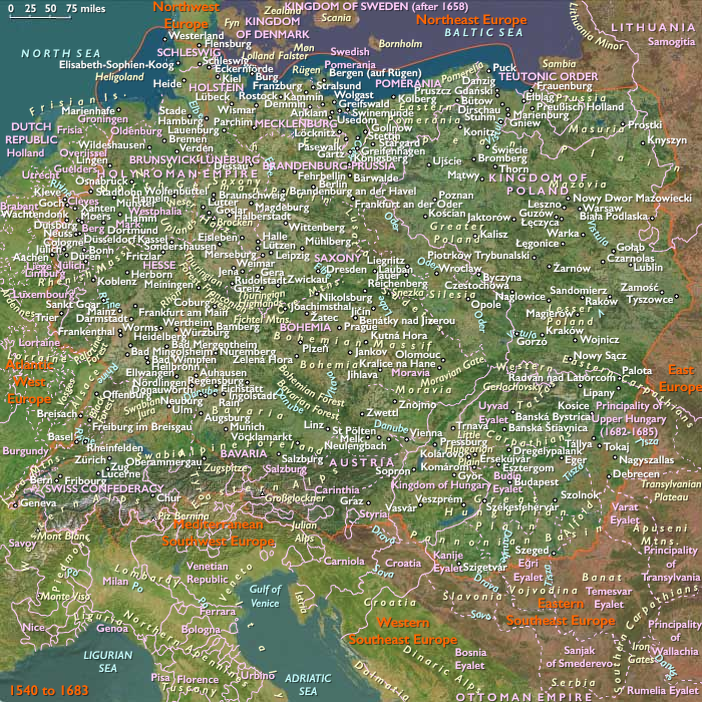
From the 16th to the 19th centuries, epidemics regularly swept through Europe, often exacerbated by wars, poor sanitation, malnutrition, and mass movements of troops and refugees. Wars such as the English Civil War (1642–1651), the Thirty Years’ War (1618–1648), and the Napoleonic Wars (1803–1815) saw some of the deadliest outbreaks, often causing more deaths than battle itself.
Key Epidemics During Major Wars
1. The Thirty Years’ War (1618–1648)
- Typhus ("War Fever"), bubonic plague, and dysentery ravaged both soldiers and civilians.
- Joseph Patrick Byrne estimates that disease caused 90% of war-related deaths, with typhus alone killing over 10% of the German population.
- Mass displacement and famine created ideal conditions for outbreaks, reducing some German regions’ populations by half.
2. The English Civil War (1642–1651)
- Smallpox, typhus, and dysentery spread through crowded garrisons and besieged towns.
- London suffered severe plague outbreaks, as did other urban centers where soldiers and refugees gathered.
- The destruction of crops and infrastructure led to food shortages, weakening immune systems and exacerbating disease mortality.
3. The Napoleonic Wars (1803–1815)
- Typhus and dysentery were rampant among Napoleon’s armies, particularly during the Peninsular War (1808–1814) and the French invasion of Russia (1812).
- Napoleon's 1812 campaign in Russia saw more troops die from disease and exposure than from combat, with hundreds of thousands succumbing to typhus, frostbite, and starvation.
- British troops in Spain and Portugal suffered from malaria, dysentery, and yellow fever, significantly reducing their fighting strength.
Factors That Made Epidemics More Deadly During Wars
-
Mass Mobilization of Troops
- Armies carried diseases across Europe, infecting both soldiers and civilians.
- Long marches, unsanitary camps, and contaminated water sources spread infections rapidly.
-
Urban Overcrowding and Sieges
- Refugees fleeing warzones packed into cities and fortresses, increasing the spread of disease.
- Besieged cities often suffered famine and lack of clean water, leading to outbreaks of plague and dysentery.
-
Malnutrition and Weakened Immune Systems
- Wars disrupted agriculture and trade, leading to famine.
- Malnourished populations were highly susceptible to infections.
-
Lack of Medical Knowledge and Treatment
- Most doctors had little understanding of germ theory, relying on ineffective or dangerous treatments.
- Hospitals were overcrowded and unsanitary, often making conditions worse.
Conclusion: Disease as a Silent Killer in European Warfare
Throughout the 16th–19th centuries, disease was often more deadly than battle itself. The combination of warfare, famine, and epidemic outbreaks led to massive population losses, shaping the course of European history. It was not until improvements in sanitation, vaccination, and medical science in the late 19th century that wartime epidemics began to decline significantly.
Groups
- Germany, Kingdom of (within the Holy Roman Empire)
- England, (Stuart) Kingdom of
- England, Commonwealth of
- England, (Stewart, Restored) Kingdom of
Topics
- Thirty Years' War
- English Civil War, First, or Great
- English Civil War, Second
- English Civil War, Third
Subjects
Regions
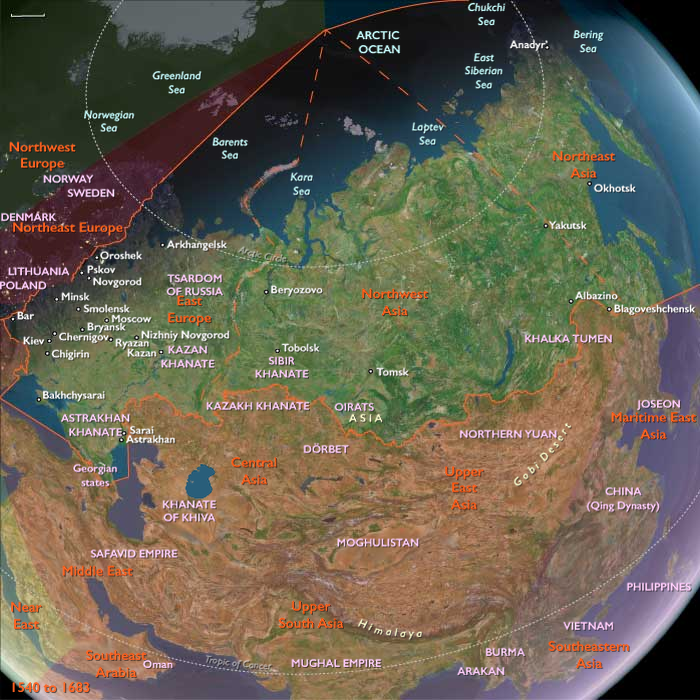
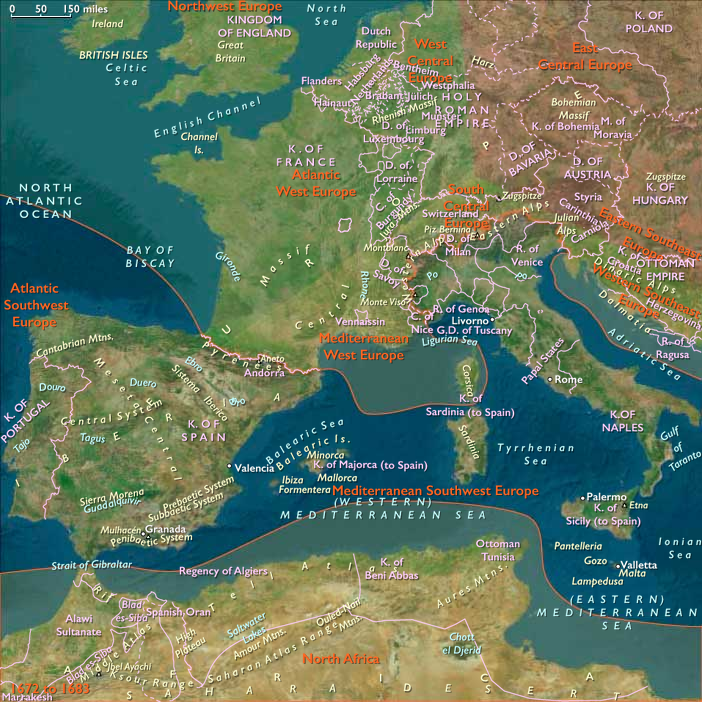
Subregions
- East Europe
- Northeast Europe
- East Central Europe
- Eastern Southeast Europe
- Western Southeast Europe
- South Central Europe
- Mediterranean West Europe
- Mediterranean Southwest Europe
- Atlantic Southwest Europe
- Atlantic West Europe
- Northwest Europe
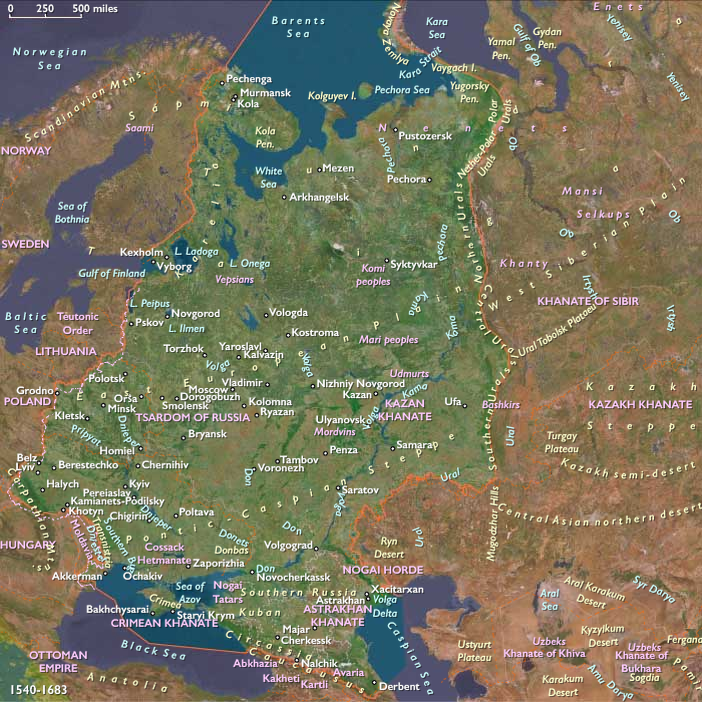
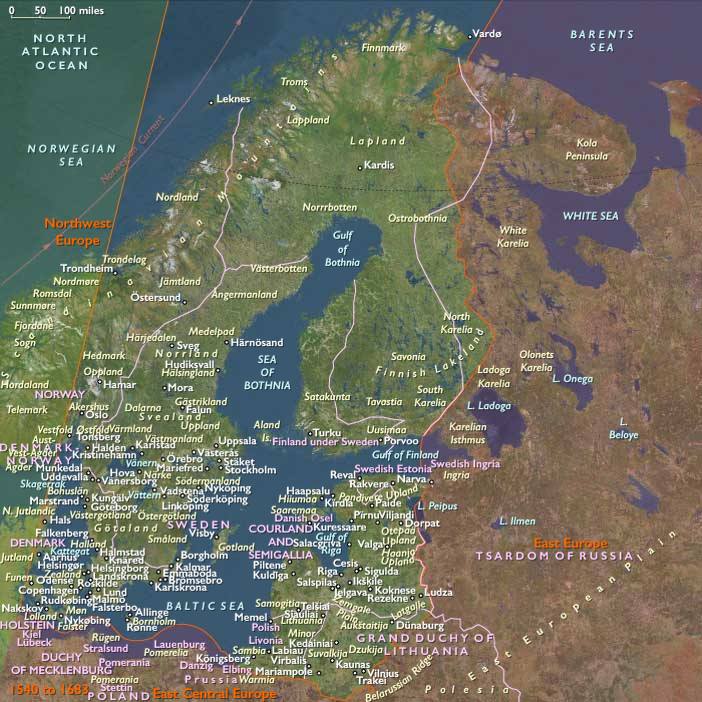
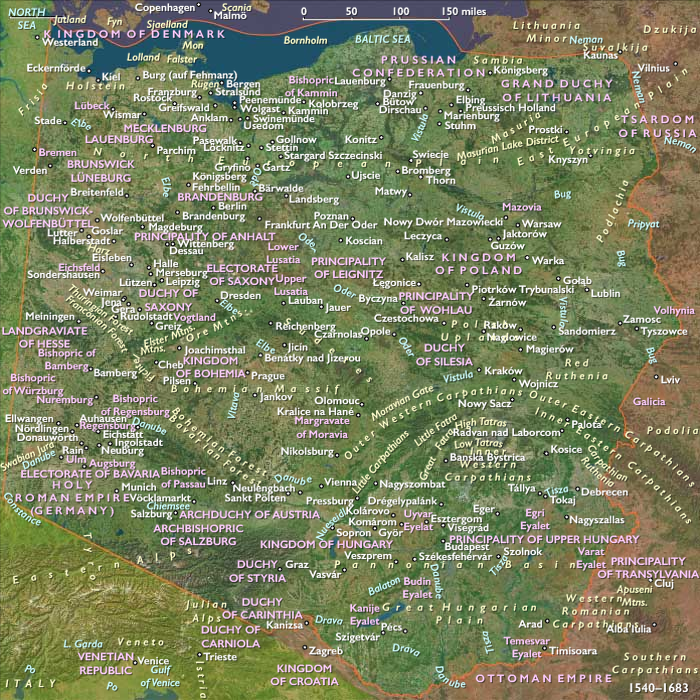
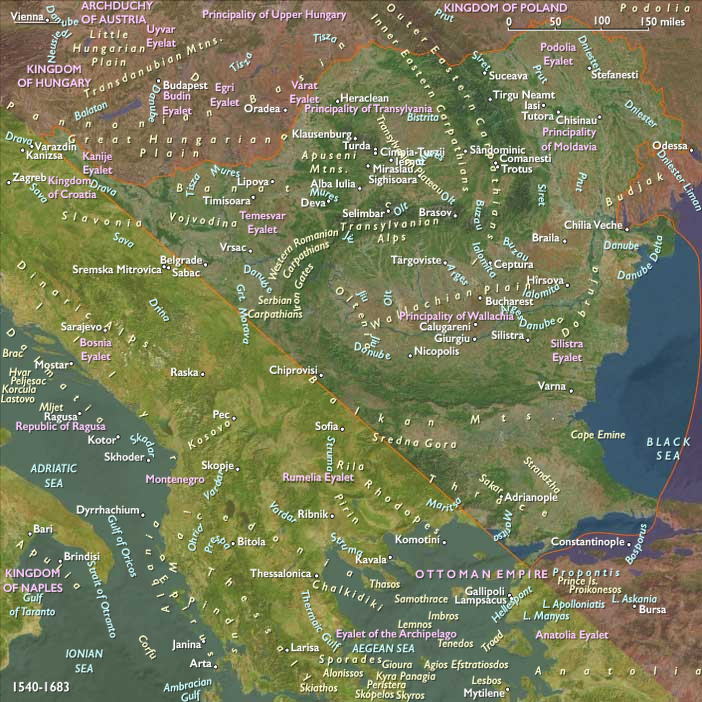
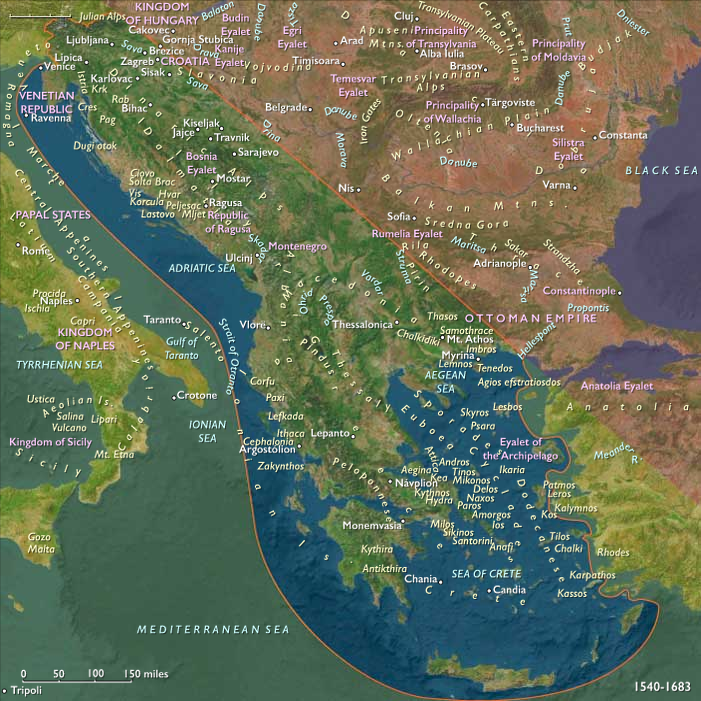
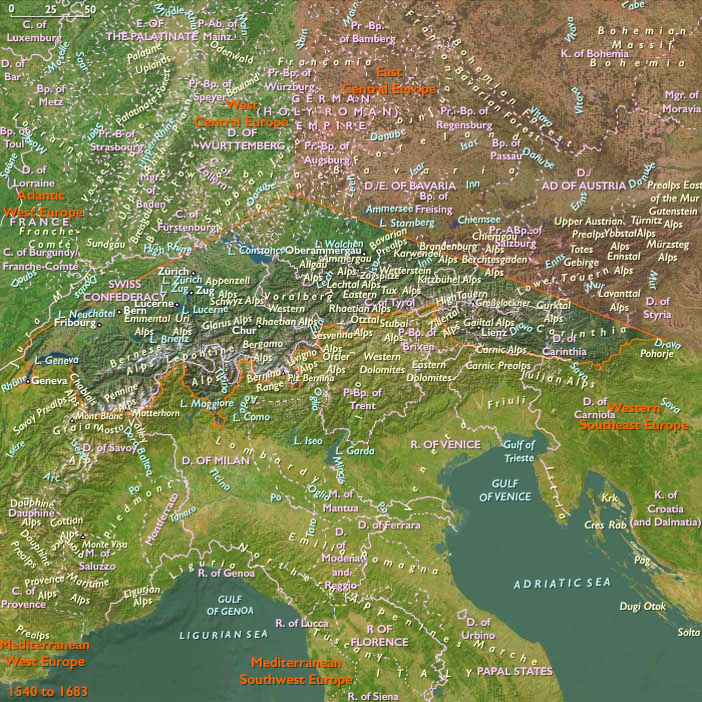
Years: 1540 - 1683
Groups
- Germany, Kingdom of (within the Holy Roman Empire)
- England, (Stuart) Kingdom of
- England, Commonwealth of
- England, (Stewart, Restored) Kingdom of
Topics
- Thirty Years' War
- English Civil War, First, or Great
- English Civil War, Second
- English Civil War, Third
Subjects
Regions
Subregions
- East Europe
- Northeast Europe
- East Central Europe
- Eastern Southeast Europe
- Western Southeast Europe
- South Central Europe
- Mediterranean West Europe
- Mediterranean Southwest Europe
- Atlantic Southwest Europe
- Atlantic West Europe
- Northwest Europe