
The Nicene Creed prescribed in 380 is …
Years: 381 - 381
The Nicene Creed prescribed in 380 is again defined at the beginning of 381 and ecclesiastically sanctioned, as it were, in the summer of this year by a church council summoned to Constantinople by Theodosius, chiefly to confront Arianism.
Meletius of Antioch presides but dies during the Council; Gregory of Nyssa, whose brother Basil had died early in 379, delivers Meletius’s funeral oration.
The Council, attended by more than 150 bishops, all from the Eastern portion of the empire, reaffirms the Nicene Creed, firmly rejecting Arianism, as well as Modalism and Monarchianism.
Apollinarianism, which had been opposed by Basil, together with Gregory of Nyssa, Gregory of Nazianzus, and Athanasius because of the doctrine’s implication that Christ was not fully human, is also condemned, as are the Eunomians, as the followers of Eunomius’s extreme brand of Arianism have become known.
In formulating the doctrine of the Holy Spirit, the Council defines the position of the Holy Spirit within the Trinity, describing the Holy Spirit as proceeding from God the Father.
It follows Athanasius in affirming the equality of the Father, Son, and Holy Spirit, declaring them separate persons but coequal and of one substance.
The council’s canons establish the authority of the metropolitan bishops over their dioceses and give the bishop of the capital a primacy similar to that of the bishop of Rome.
It also deposes Constantinople’s Arian bishop, Maximus.
Gregory of Nazianzus, who has influenced Jerome during the three years he has spent in Constantinople, plays a leading role at the council, but opposition to his claim to the Maximus’ vacated bishopric makes him decide to return to Nazianzus.
The gathering, considered the second ecumenical council, universally imposes the Nicaean faith: Christianity as preached by Peter is to be the sole official religion of the Roman Empire; orthodoxy is defined as the doctrines proclaimed by the bishops of Rome and Alexandria.
The Council’s new theological formulas persuade most Arians to convert to orthodoxy.
Locations
People
Groups
- Apollinarism
- Sabellianism
- Monarchianism
- Thervingi (East Germanic tribe)
- Christianity, Arian
- Thrace, Diocese of
- Christianity, Nicene
- East, or Oriens, Praetorian prefecture of
- Anomoeanism
- Roman Empire: Valentinian dynasty (Rome)
- Roman Empire: Theodosian dynasty (Constantinople)
Topics
- Roman Age Optimum
- Late Antiquity
- Migration Period
- Arian controversy
- Fall of the Western Roman Empire
Commodoties
Subjects
- Commerce
- Environment
- Labor and Service
- Conflict
- Faith
- Government
- Technology
- Movements
- Theology
- Christology
Regions
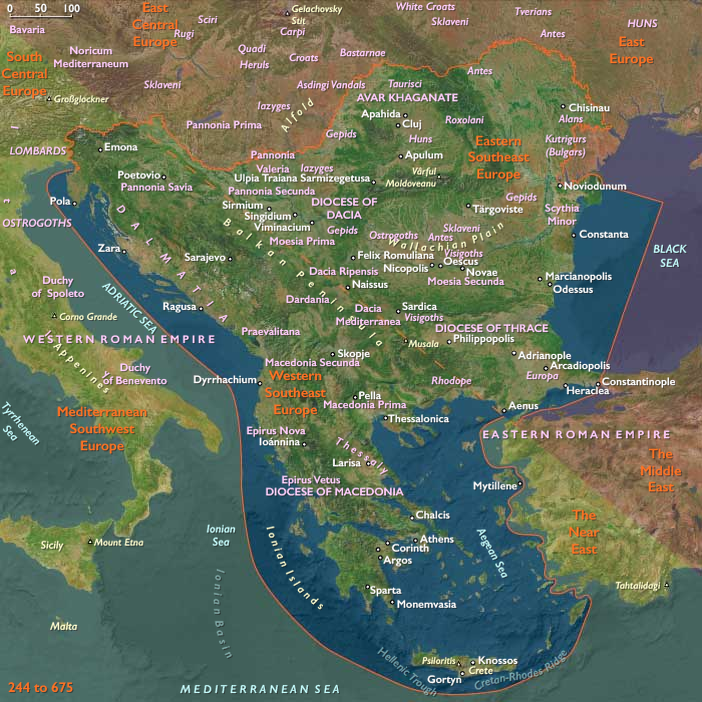
Subregions
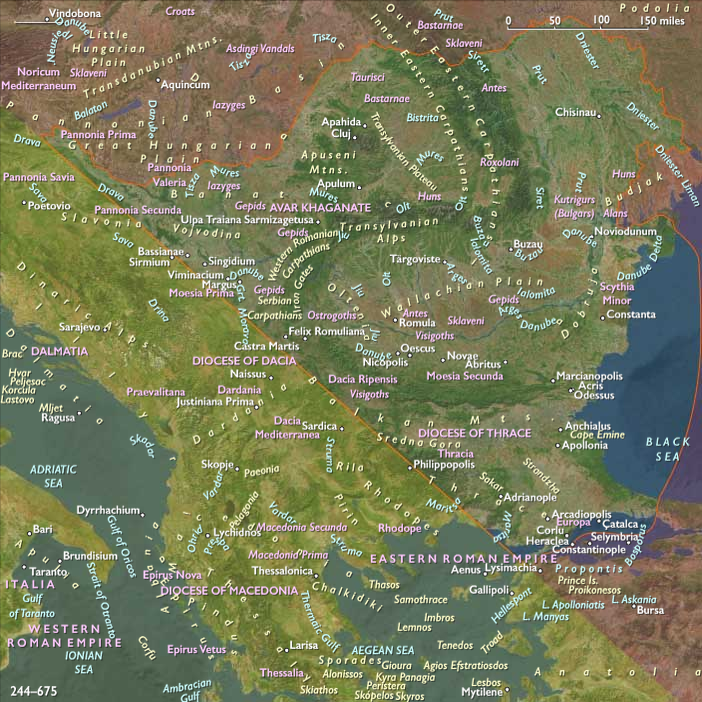
Related Events
Showing 10 events out of 59571 total
Years: 381 - 381
Locations
People
Groups
- Apollinarism
- Sabellianism
- Monarchianism
- Thervingi (East Germanic tribe)
- Christianity, Arian
- Thrace, Diocese of
- Christianity, Nicene
- East, or Oriens, Praetorian prefecture of
- Anomoeanism
- Roman Empire: Valentinian dynasty (Rome)
- Roman Empire: Theodosian dynasty (Constantinople)
Topics
- Roman Age Optimum
- Late Antiquity
- Migration Period
- Arian controversy
- Fall of the Western Roman Empire
Commodoties
Subjects
- Commerce
- Environment
- Labor and Service
- Conflict
- Faith
- Government
- Technology
- Movements
- Theology
- Christology
Regions
Subregions