
Filters:
The Rapid Spread of Printing After Gutenberg’s …
Years: 1444 - 1455
The Rapid Spread of Printing After Gutenberg’s Invention (1450s–15th Century)
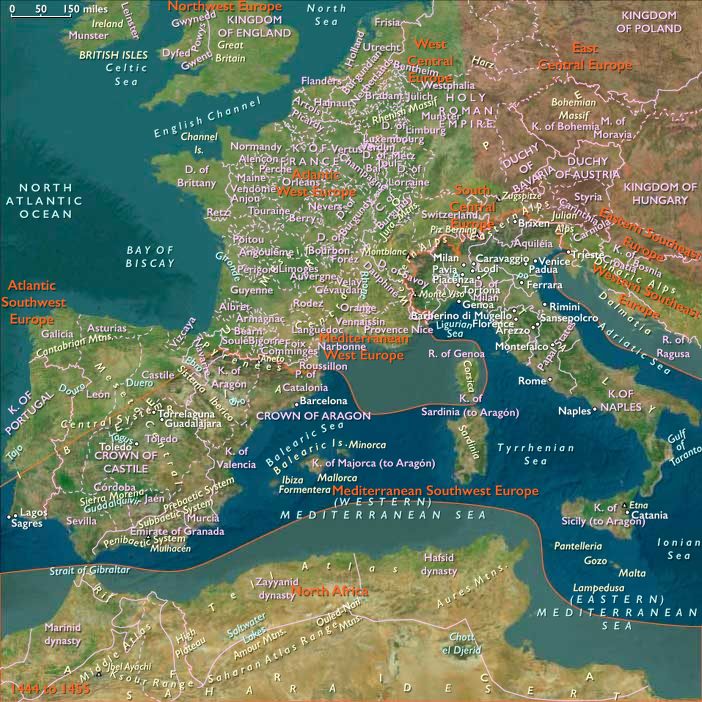
Johannes Gutenberg’s invention of the printing press with movable type (c. 1440s) revolutionized communication, learning, and the dissemination of knowledge. Following his success in Mainz, Germany, printing spread rapidlyacross Europe as journeymen printers left their masters to establish their own workshops.
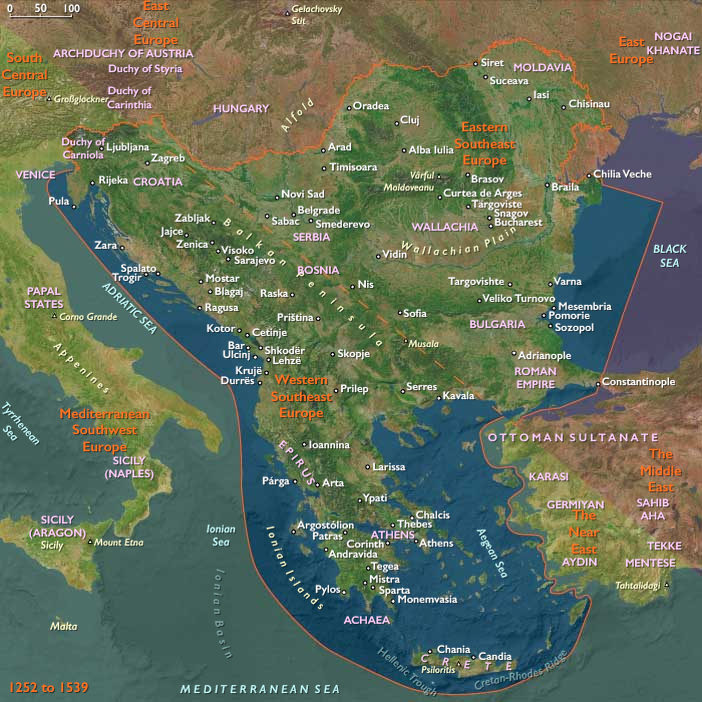
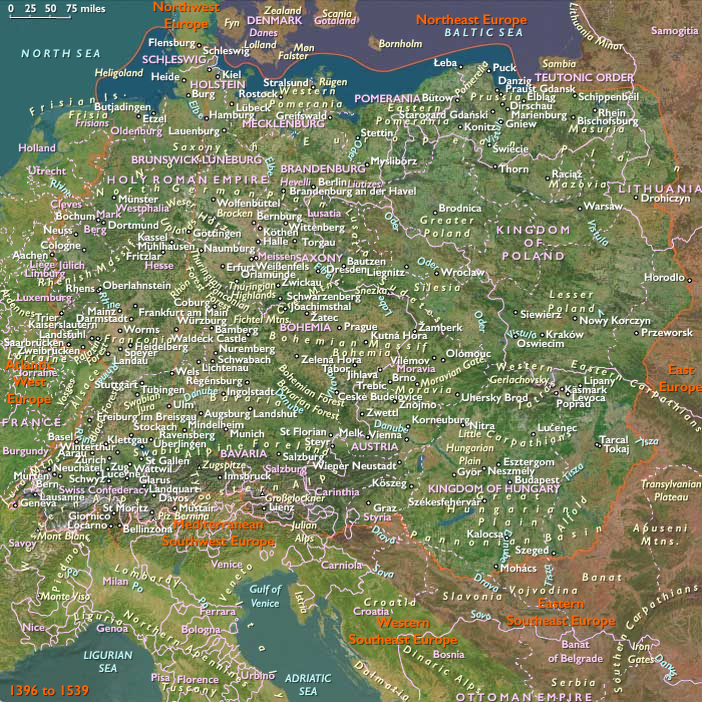
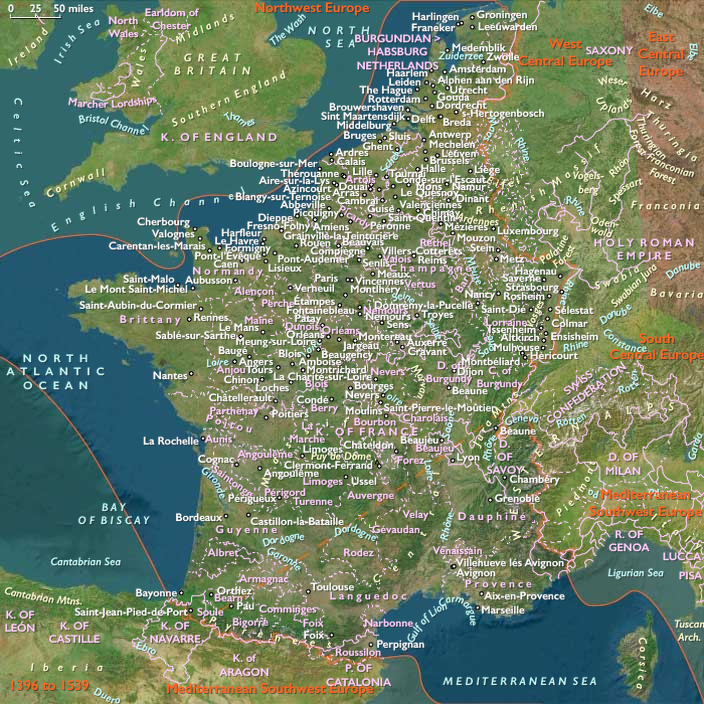
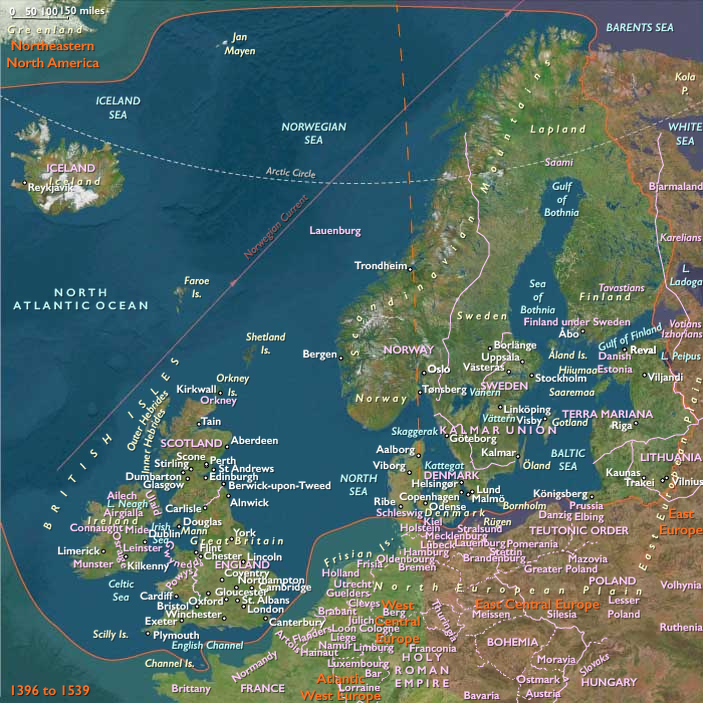
The Expansion of Printing in Europe
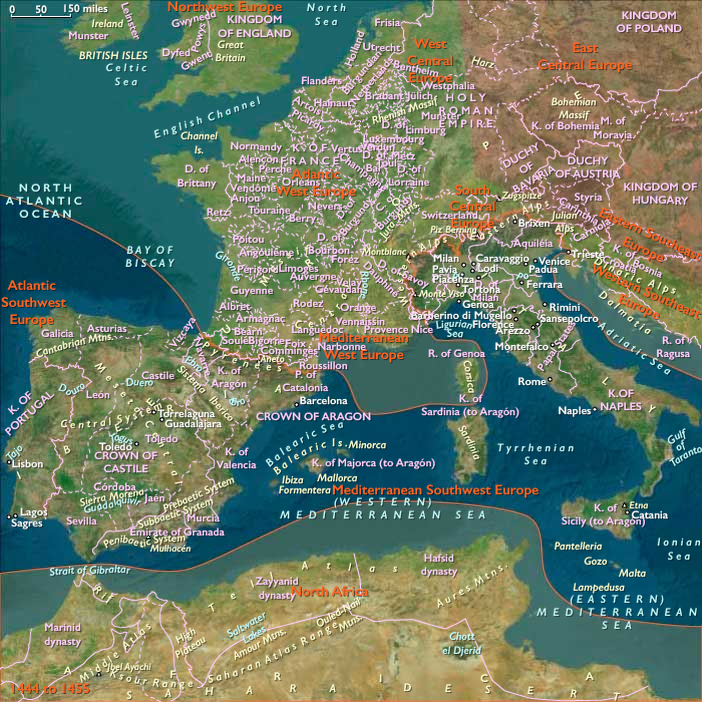
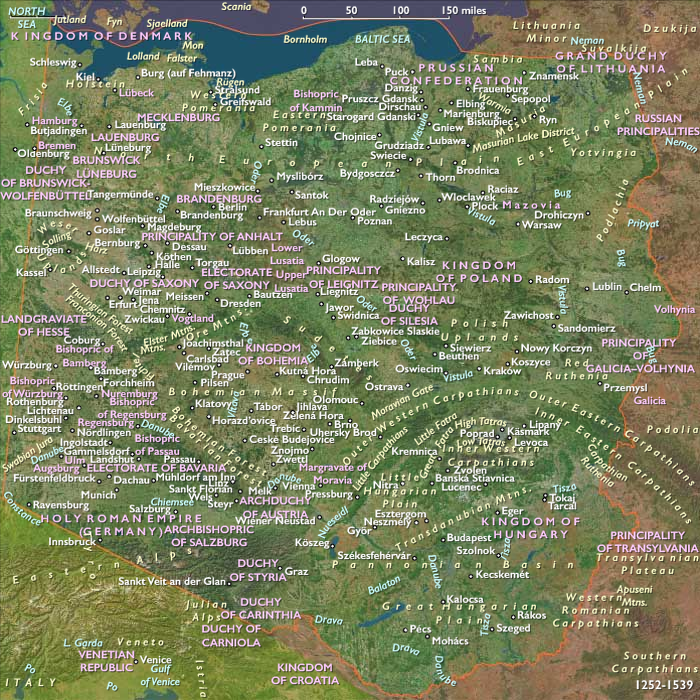
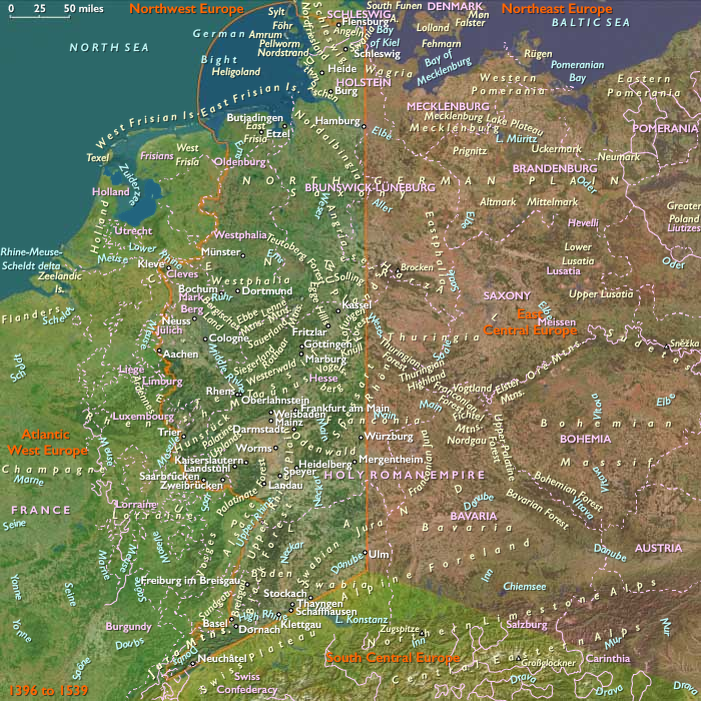
- Mainz, Germany (1450s) – Gutenberg’s Bible (1455) was the first major book printed using movable type, marking the beginning of the Printing Revolution.
- Italy (1453) – Printing arrived in Italy, with early works appearing in Venice and Rome.
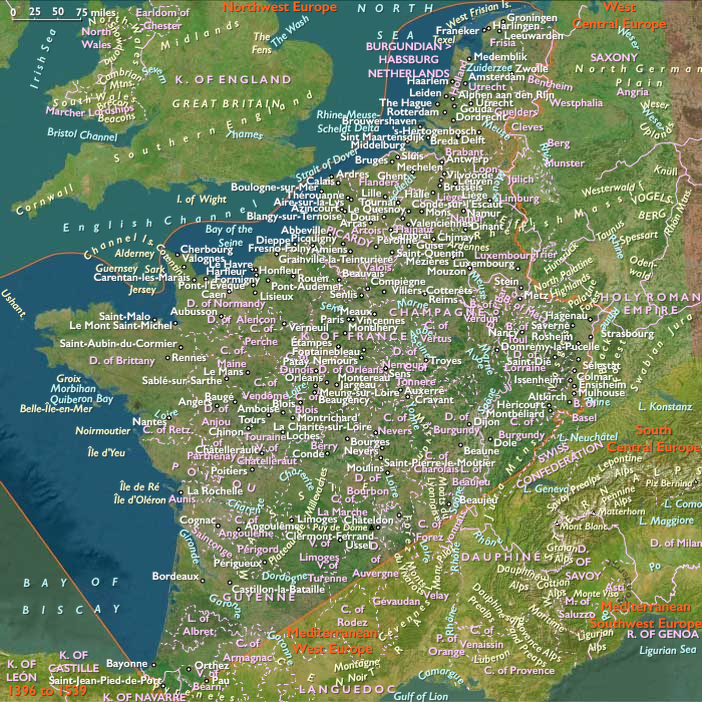
- France (c. 1470) – The first printing press in France was established in Paris.
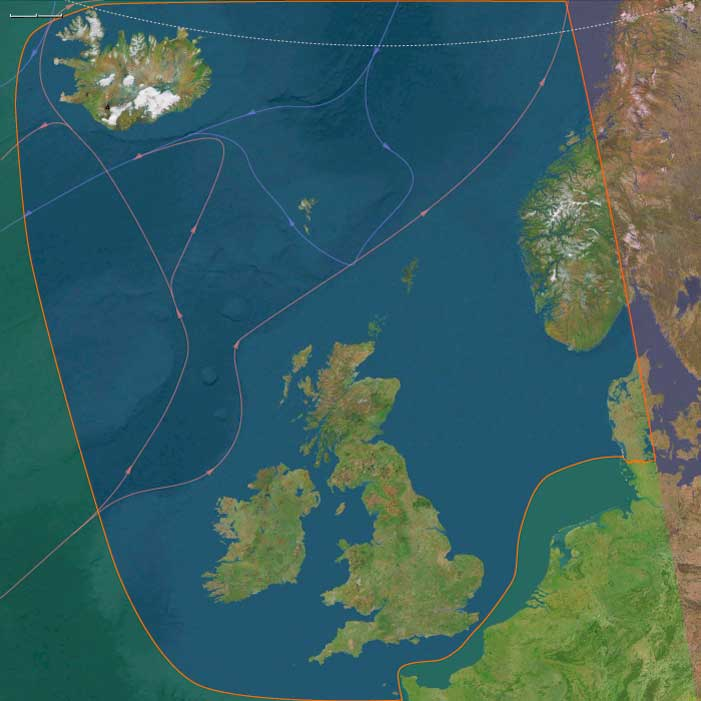
- England (1476) – William Caxton set up England’s first printing press in Westminster, producing books in English.
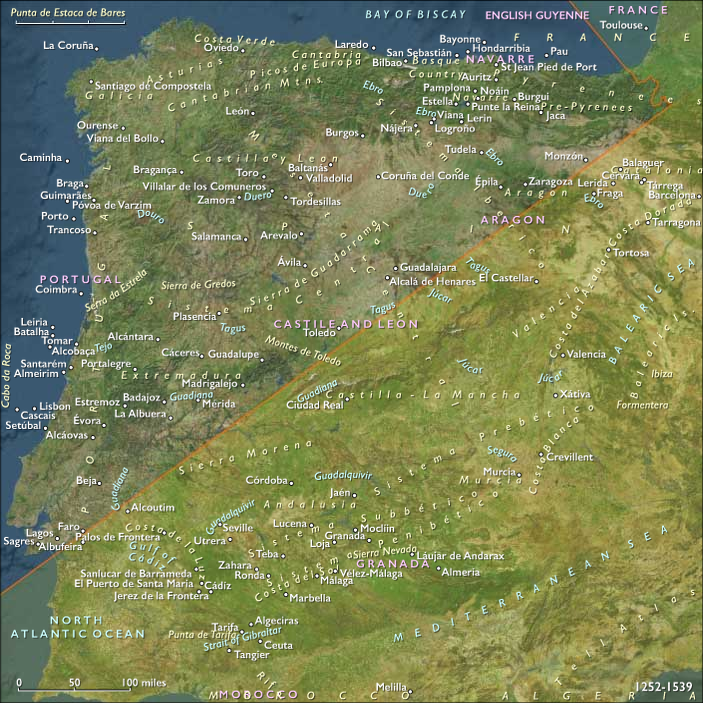
- Spain (1473) – Printing began in Valencia, quickly spreading to other Iberian cities.
Why Printing Spread So Rapidly
- Economic Opportunity – Printing was a highly profitable trade, attracting skilled craftsmen who wanted to establish their own presses.
- High Demand for Books – Universities, scholars, and religious institutions needed books, creating a huge market for printed materials.
- Support from Wealthy Patrons – Nobles and merchants funded printing houses, recognizing its value in education and administration.
- Venice as a Printing Hub – By the late 15th century, Venice became Europe’s leading printing center, producing thousands of books annually.
- Standardization of Knowledge – Movable type allowed for accurate reproduction, making texts cheaper, faster to produce, and widely available.
Impact of the Printing Revolution
- Increased Literacy – Books became more affordable, leading to a rise in literacy rates across Europe.
- Spread of Renaissance Ideas – The printing press accelerated the diffusion of humanist thought, strengthening the Renaissance.
- Religious Reformation – Printed Bibles and theological texts enabled wider debate, fueling the Protestant Reformation (1517).
- Scientific Advancement – Scientific works, including Copernicus’ and Galileo’s writings, could be widely circulated, influencing the Scientific Revolution.
The arrival of printing in Italy in 1453 marked an early milestone in the printing revolution, which would transform European society, education, and politics, laying the groundwork for modern knowledge dissemination.
People
Topics
Subjects
Regions

Subregions
- East Europe
- Northeast Europe
- East Central Europe
- Eastern Southeast Europe
- Western Southeast Europe
- South Central Europe
- Mediterranean West Europe
- Mediterranean Southwest Europe
- Atlantic Southwest Europe
- Atlantic West Europe
- West Central Europe
- Northwest Europe

Related Events
Showing 1 events out of 1 total
Years: 1444 - 1455
People
Topics
Subjects
Regions
Subregions
- East Europe
- Northeast Europe
- East Central Europe
- Eastern Southeast Europe
- Western Southeast Europe
- South Central Europe
- Mediterranean West Europe
- Mediterranean Southwest Europe
- Atlantic Southwest Europe
- Atlantic West Europe
- West Central Europe
- Northwest Europe